Pearl River County · open around the clock
Water Damage Restoration Picayune, MS
Round-the-clock water damage restoration in Picayune, MS. The extraction crew removes flood and leak water, the drying team dries walls, floors and framing to the IICRC S500 standard, and every step is logged.
(888) 417-5665Water in the house? Call the crew- 24/7 emergency dispatch
- IICRC S500 drying goal
- Truck-mounted water removal
- Readings logged daily
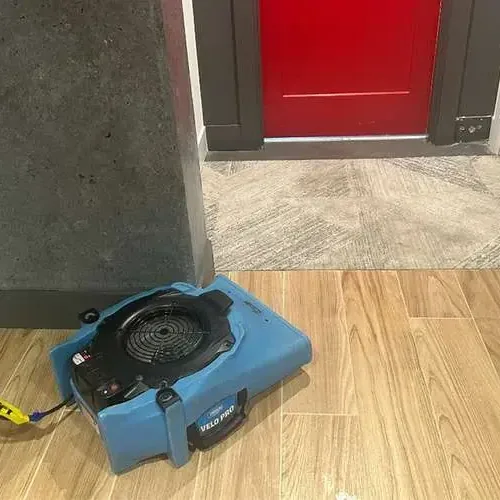
Water and sewage work
Water Damage Restoration Services in Picayune, MS
Creek flooding, storm rain and everyday leaks each get their own plan, and every job is dried to the same measured standard.
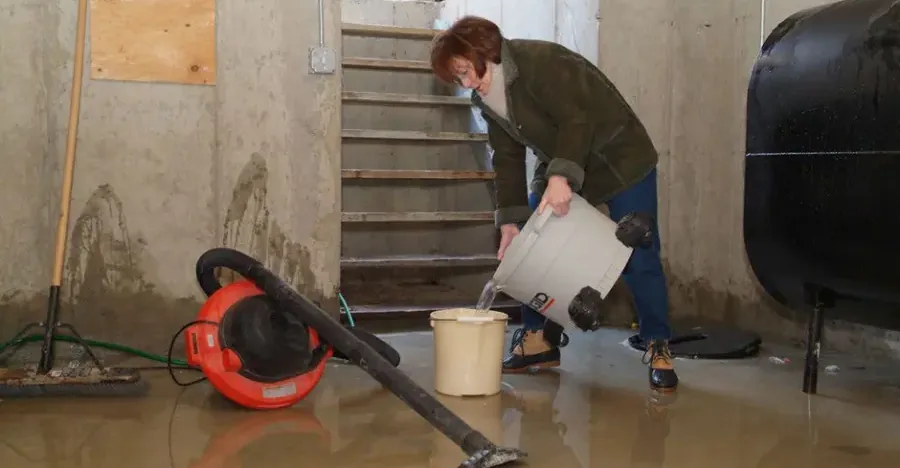 01Water ExtractionStanding water pumped and wanded out before it soaks walls, pad and subfloor.
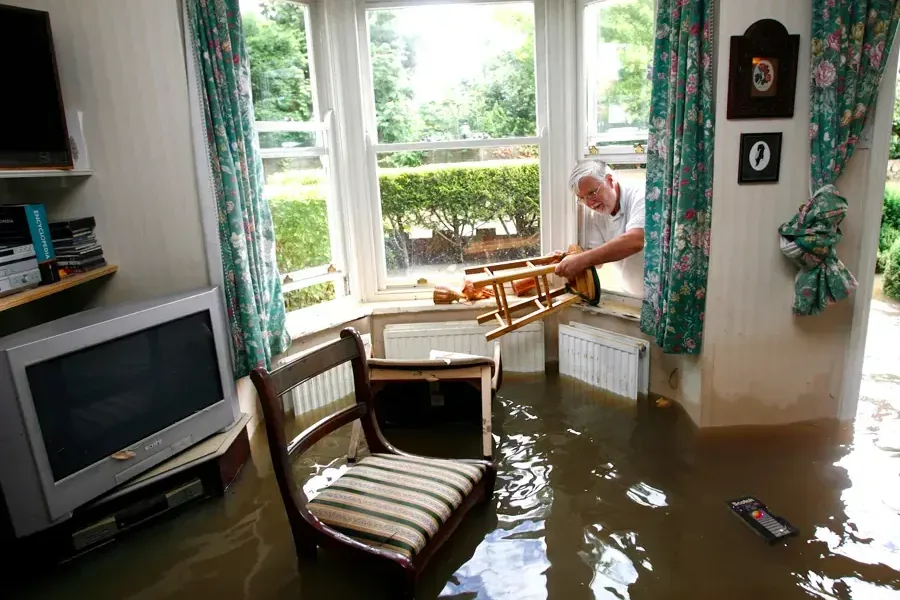 02Flood Water CleanupCreek and street flood water removed and cleaned up as Category 3 water.
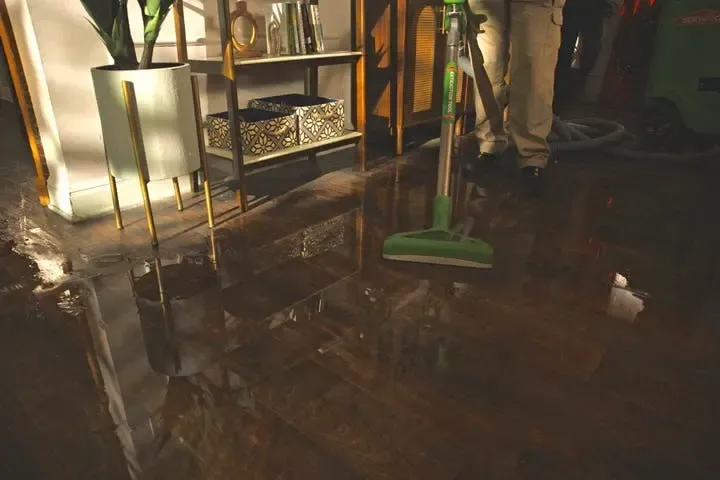 03Hurricane and Storm Water DamageRain driven in by tropical storms and hurricanes, traced and dried out.
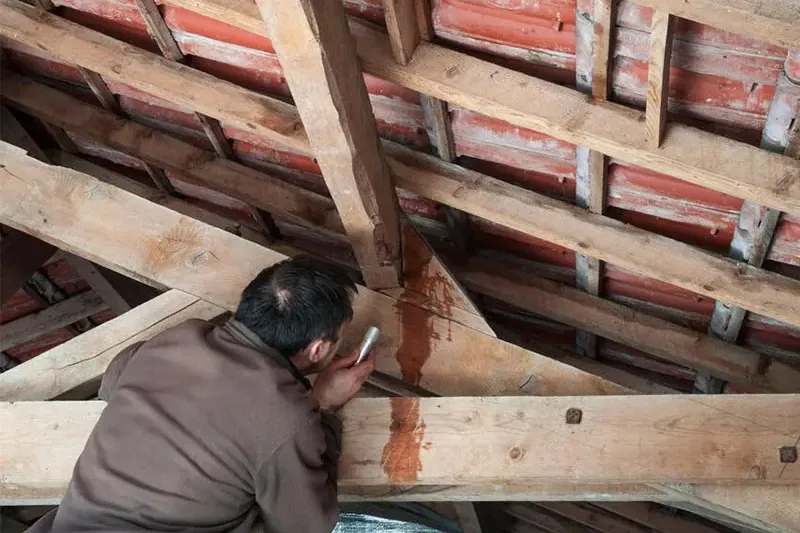 04Roof Leak Water DamageLeaks after heavy rain followed through the attic, wet insulation removed.
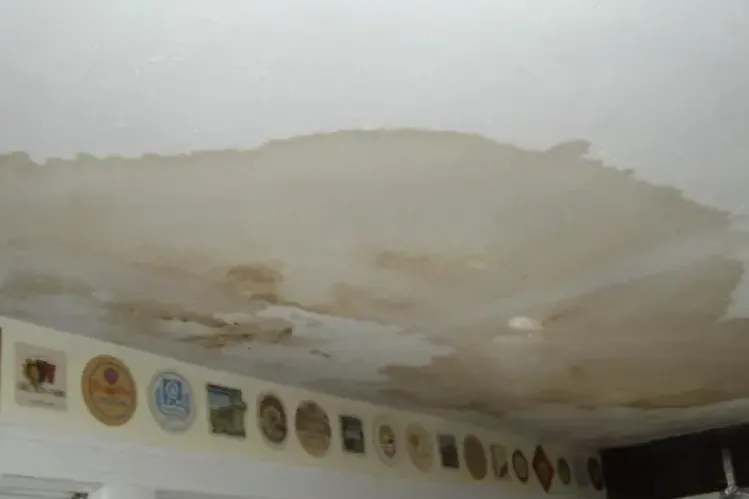 05Ceiling Leak Water DamageStained or sagging ceilings opened safely and the cavity above dried.
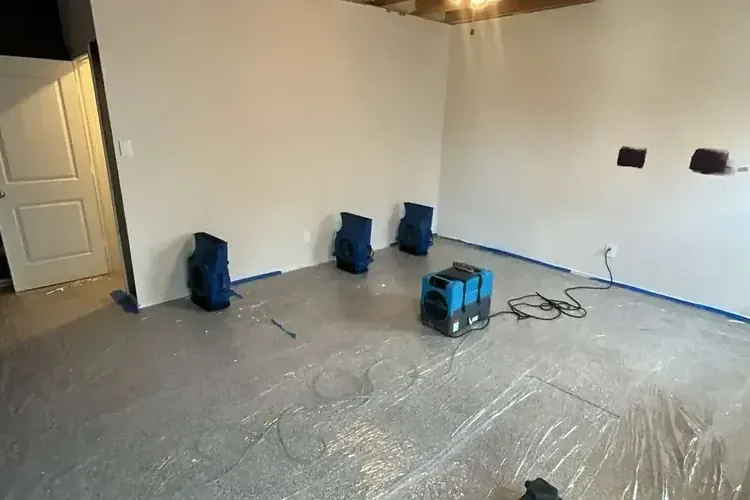 06AC Leak Water DamageAir handler and condensate overflows that soak the ceiling below.
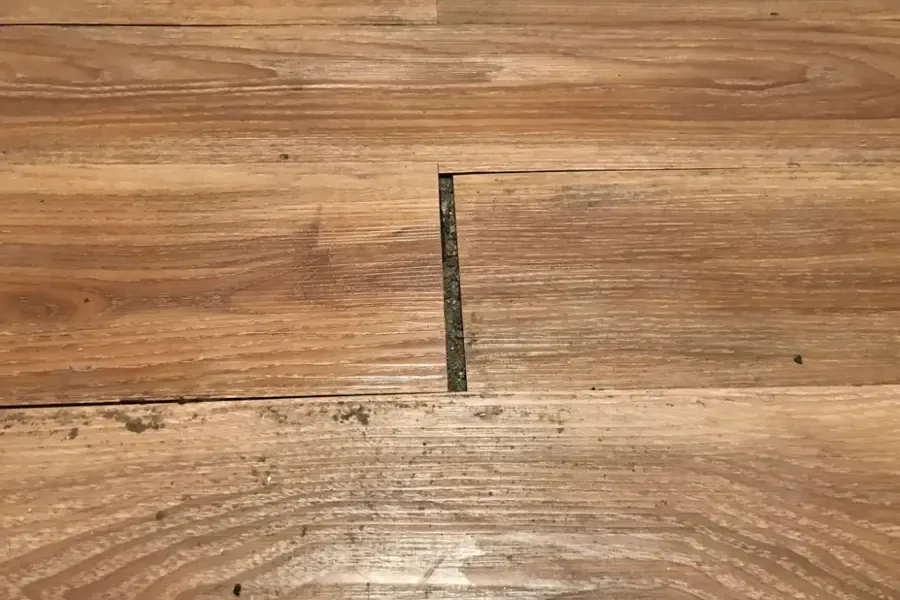 07Slab Leak Water DamageHidden leaks under the floor found by readings, flooring lifted, slab dried.
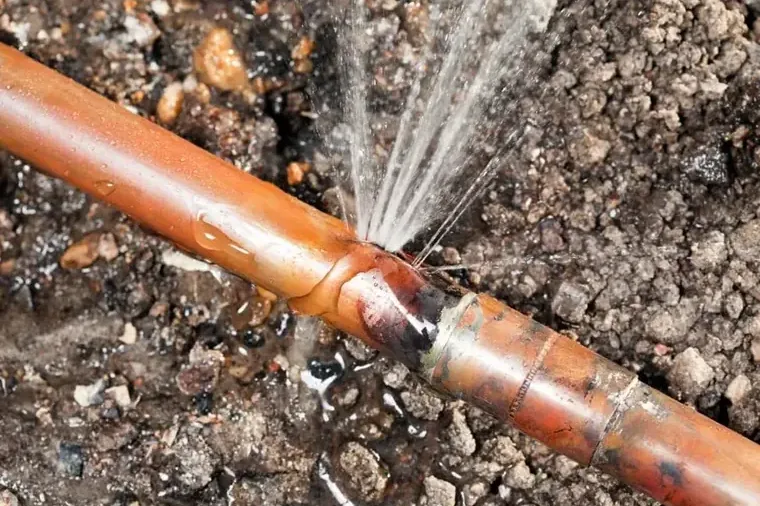 08Burst Pipe Water DamageFailed supply pipes and fittings inside walls, extracted and dried in place.
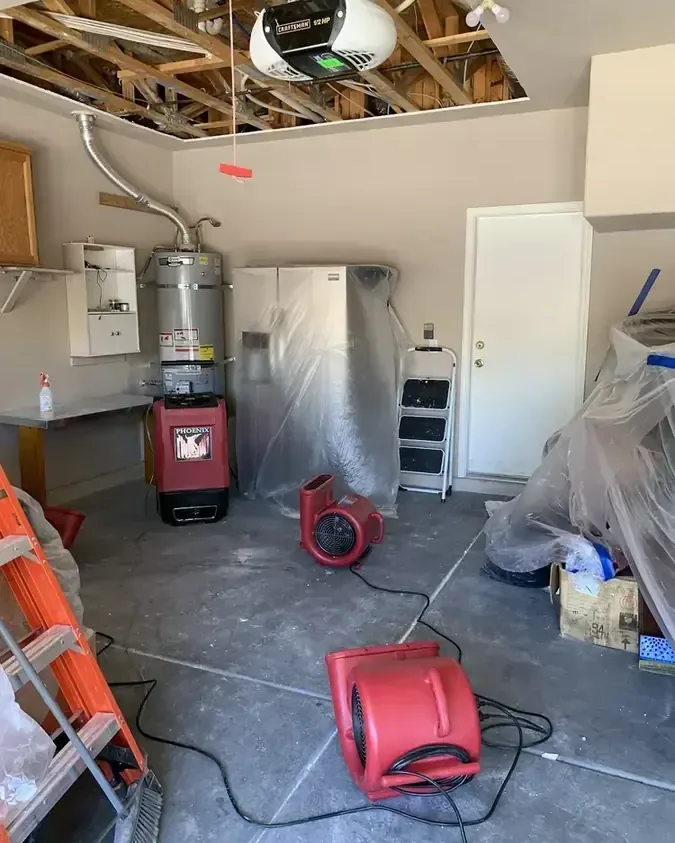
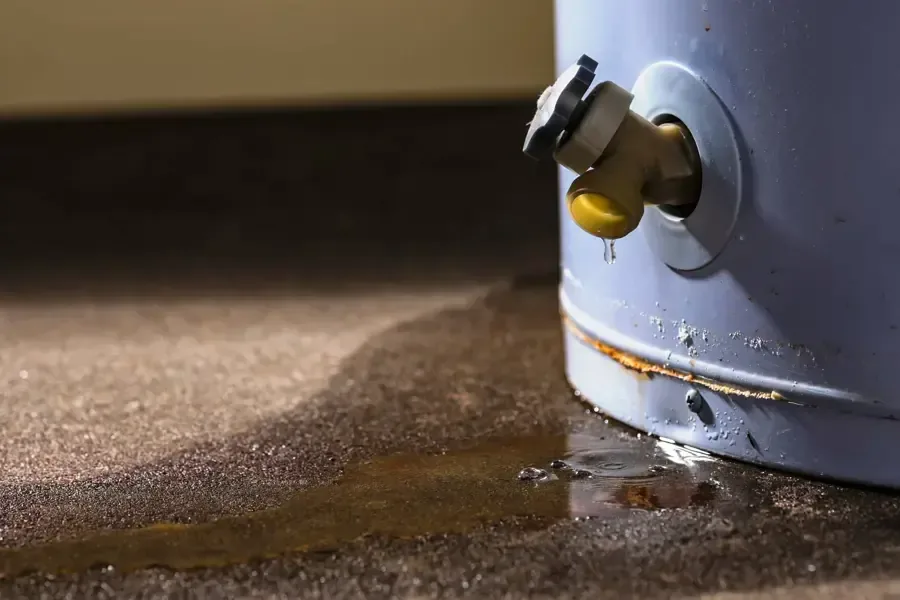 09Water Heater Leak CleanupLeaking tanks in garages and closets, water removed before it travels.
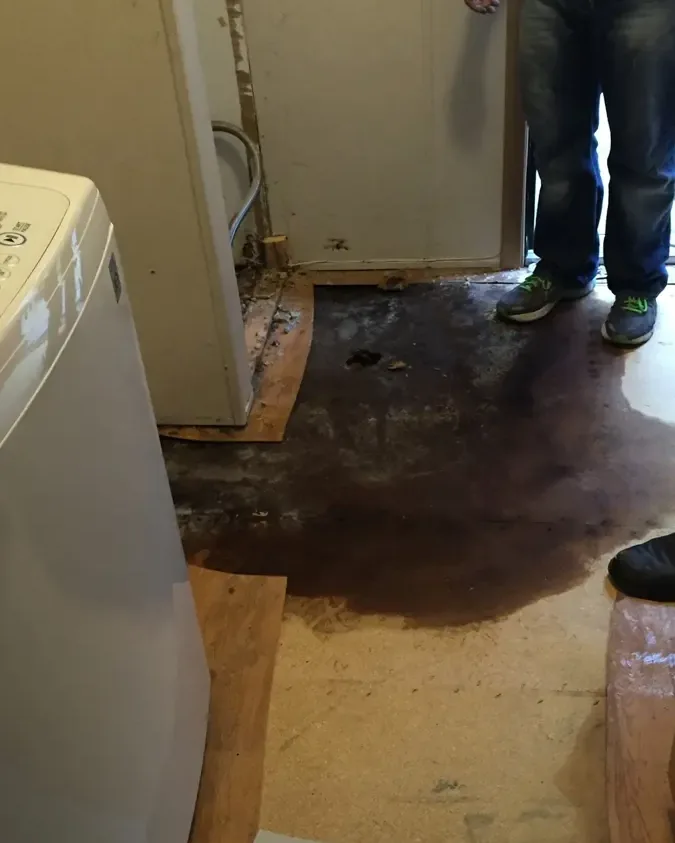
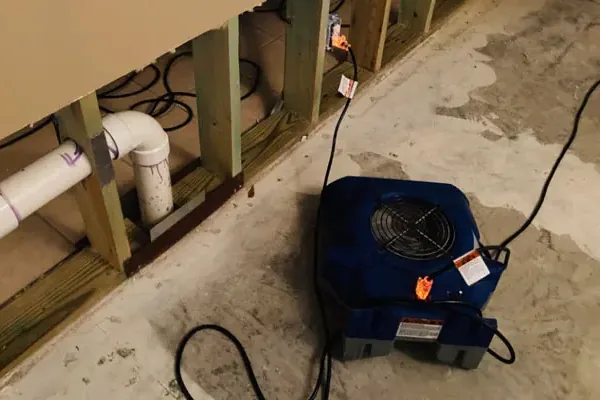 10Appliance Leak Water DamageWasher, dishwasher and ice maker leaks dried under cabinets and floors.
 11Sewage Backup CleanupDrain and toilet backups contained, removed and treated as black water.
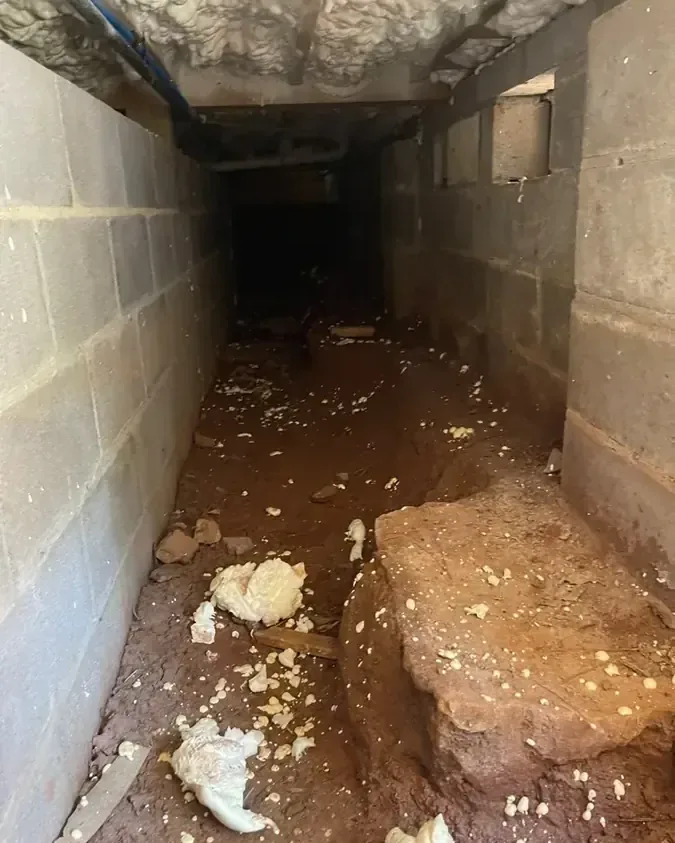
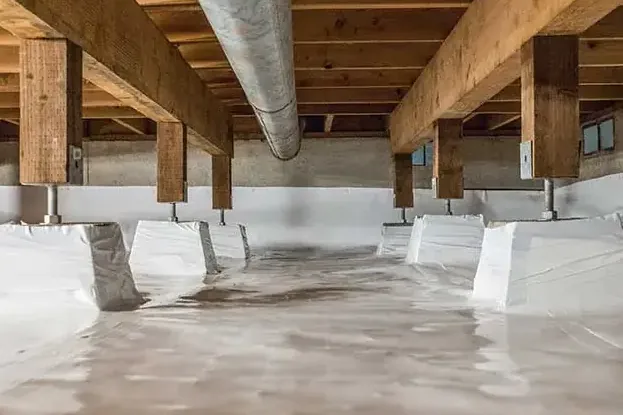 12Crawl Space Water RemovalWater under raised floors pumped out and the joists dried to a reading.
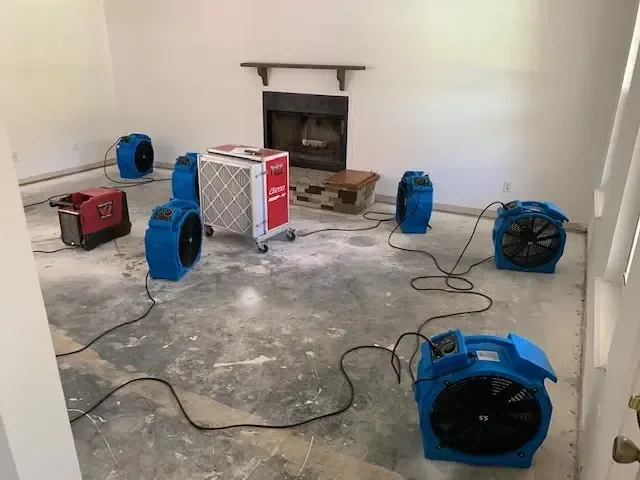 13Structural DryingAir movers and dehumidifiers sized to the loss, run until materials test dry.
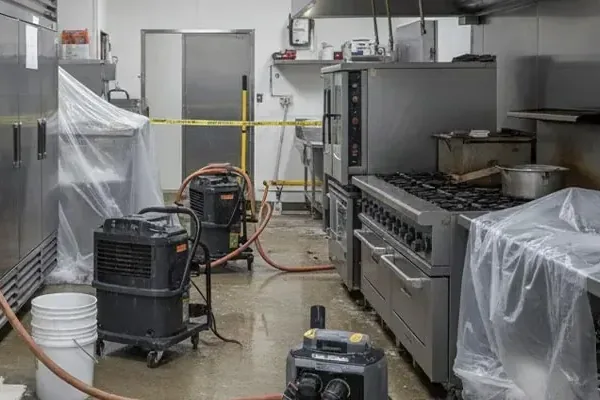 14Commercial Water DamageDowntown shops, offices and dining spots dried in stages around business hours.
How the work runs
How a water loss is handled, from first call to dry floors
Order matters: measuring before drying and drying before rebuilding is what keeps a water job from coming back.
- 1
Rapid local response
Dispatch runs 24/7, and a home taking on water is treated as urgent from the start.
- 2
Moisture mapping
Thermal imaging and pinless meters show what is wet before a single machine is placed.
- 3
Extraction
Truck-mounted units pull standing water out so it leaves the house as liquid, not vapor.
- 4
IICRC S500 drying
Air movers and LGR dehumidifiers are matched to the evaporation load of each room.
- 5
Claim-ready documentation
Daily readings, drying logs and photos go into one file for the adjuster.
Humid climate, closed house. The climate here is mild and humid, so the drying team keeps doors and windows shut and lets the dehumidifiers pull the water out. Equipment comes out when the readings say dry, not on a set date.
First steps
What to do while the water is still coming in
Humid air lets mold start within 24 to 48 hours, so what happens in the first hour shapes everything after it.
- Close the main valve or the fixture stop. If water is coming from an attic AC unit, switch the system off.
- Turn off breakers for wet rooms, but only when you can reach the panel from a dry spot.
- Keep everyone out of flood water and sewage, and treat both as contaminated.
- Take photos of each wet room and the high-water mark on the walls before moving anything.
- Get rugs, boxes and furniture off the wet floor, then call to get extraction started.
Typical cost ranges
What does water damage restoration cost in Picayune, MS?
Most water damage restoration jobs here run $1,000 to $7,500, and a flood or sewage loss across several rooms often lands between $7,500 and $20,000 or more. The water category, the wet square footage, the material class and how soon drying started set the price.
Clean water, small area
$1,000 to $3,000
- A room or two
- Extraction plus air movers
- Three to five drying days
Under floors or several rooms
$3,000 to $7,500
- Baseboards and flooring pulled
- LGR dehumidification
- Readings every day
Category 3 flood or sewage
$7,500 to $20,000+
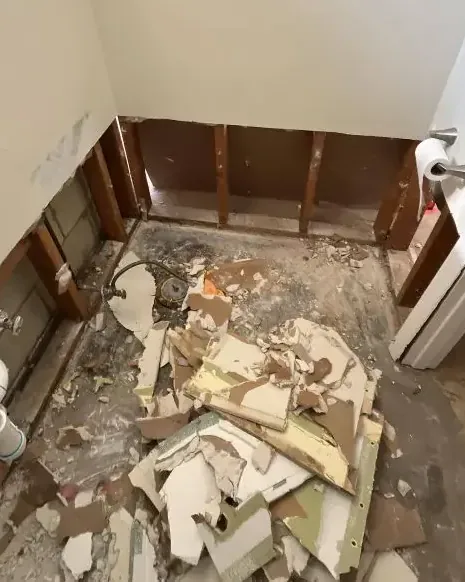
- Soaked drywall and insulation out
- Antimicrobial and containment
- Longer structural drying
Ranges are typical, not a quote. Get a planning number from the water damage cost calculator, or sort out the water type with the water category check.
Gallery
What a water damage dry-out looks like in Picayune
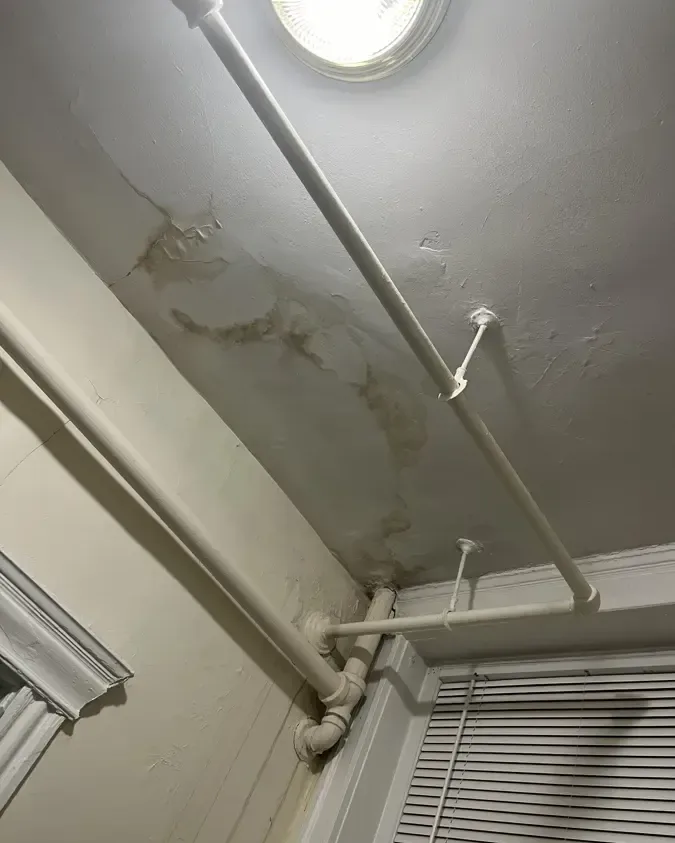
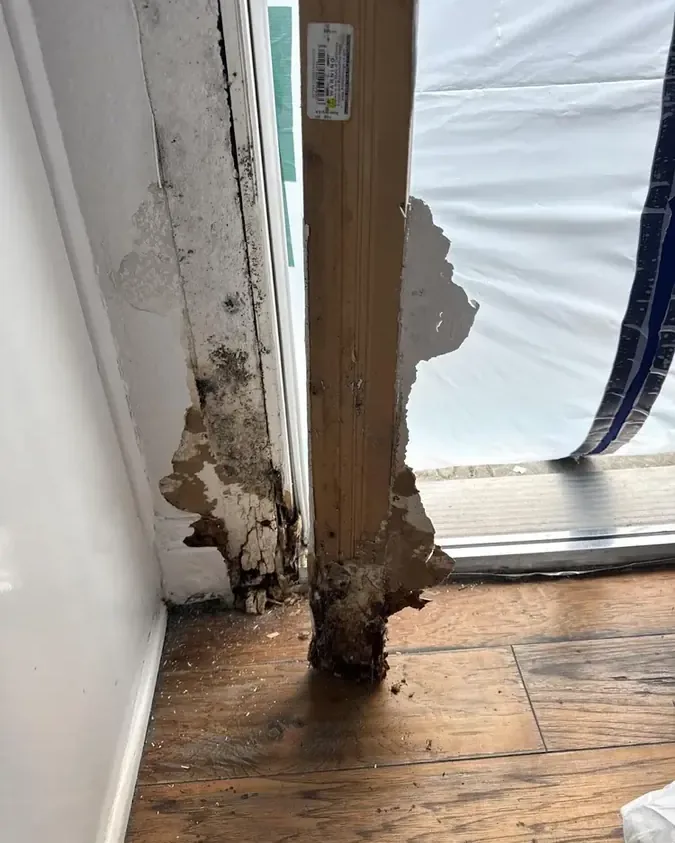
How the dry-out works
Water damage dried to the IICRC S500 standard
The IICRC S500 is the restoration industry's drying standard. Structural drying reaches the framing and subfloor, not just the surface, and clean, gray and black water each get their own handling.
- IICRC S500 drying goal
- Truck-mounted water removal
- Moisture readings every day
- Structure dried, not just surfaces
The class of loss, 1 through 4, decides how much equipment each room gets, and the equipment keeps running until the readings confirm dry.
Insurance
Documentation for your insurance claim
Adjusters decide water claims on the file, and a strong file includes:
- A moisture map from the first visit
- Daily moisture and psychrometric logs
- Timestamped photos taken before demolition
- The water category and class of loss
- An itemized scope of the work
A sudden pipe or fixture failure is handled differently from rising creek or street water, which standard homeowners policies leave out and a separate flood policy may cover. Every policy reads differently, so confirm the details with your own insurer.
Water categories
All water damage categories covered in Picayune, MS
Category 1, clean water
Supply pipes, tank water heaters and ice maker hoses. Pulled out fast, most materials dry in place. Burst pipe water damage
Category 2, gray water
Washing machines, dishwashers and toilet overflows with no waste. Wet pad and the lower drywall usually go. Appliance leak water damage
Category 3, black water
Sewage and creek or street flood water. Porous materials come out, then surfaces are cleaned and treated. Sewage backup cleanup
Service area
Water damage restoration across Picayune and Pearl River County
Coverage reaches the historic downtown on Goodyear Boulevard, the Westchester Subdivision, the Woods Subdivision, the Simmons Subdivision, the Ridge Crest Subdivision, the Beech Street area and ZIP code 39466.
Neighborhoods and corridors
- Historic downtown
- Goodyear Boulevard
- Westchester Subdivision
- Woods Subdivision
- Simmons Subdivision
- Ridge Crest Subdivision
- Beech Street area
- Highland Parkway
ZIP code
- 39466
Reach
One call reaches Picayune water damage pros, 24/7
Any hour, one call puts a restoration pro on the problem. Be ready to share the street or subdivision, which rooms are wet and where the water came from, so the response team can plan the right trucks and equipment.
Slidell Water Damage Restoration
Picayune, MS
Open every day, all hours
Local conditions
Water damage in Picayune, MS: the local risk profile
Flat ground, the sands and clays of the Gulf Coastal Plain, about 58 inches of rain a year and the Hobolochitto creeks decide which water losses show up most here.
- At 15 feet on West Hobolochitto Creek near McNeill, low spots on Beech Street and in the Westchester Subdivision flood; at 24 feet the National Weather Service expects widespread flooding there.
- Mill Creek runs through the city to the Pearl River, and FEMA studied its flooding inside city limits.
- In June 2026 heavy rain flooded roads and put water into some homes and City Hall, and the remnants of Tropical Storm Arthur left streets under about a foot of water.
- The city describes its terrain as flat, and in June 2026 rain pooled on the surface faster than it could drain even while the creeks ran low.
- Hurricane Katrina caused extensive damage in 2005, and Hurricane Isaac brought heavy rain and strong winds in late August 2012.
Questions
Picayune water damage questions, answered
What should happen in the first few minutes of a leak?
Close the main valve, switch off an attic AC unit that is overflowing, turn off power to wet rooms if the panel is dry, keep everyone out of flood water and take photos before moving anything. Then call, since drying goes best when it starts early and wet materials get worse by the hour.
How quickly does a restoration crew respond in Picayune?
A home taking on water is treated as urgent at any hour, with nights, weekends and the days after a storm included. Timing depends on traffic and how many emergencies are open at once, so start the first steps right away and keep the photos coming.
What causes most water damage here?
Flooding from the Hobolochitto creeks and Mill Creek, heavy rain that pools on flat ground, storm-driven rain through roofs and windows, and everyday failures such as supply pipes, water heaters, appliance hoses and drain backups.
Does homeowners insurance cover flood water?
Standard homeowners policies leave out rising flood water, which falls under a separate flood policy. A sudden and accidental loss, like a failed supply pipe, is often covered after the deductible. Policies differ, so read yours or ask your own insurer before assuming either way.
What help followed the June 2026 flooding?
A federal major disaster declaration for Tropical Storm Arthur, DR-4930, covers Pearl River County and opened FEMA individual assistance to residents. Keep the photos, moisture readings and receipts from the cleanup together for any application.
How long does it take to dry a house after water damage?
A small Class 1 loss often dries in three to five days. Hardwood, plaster, raised wood floors and concrete take longer, and humid air adds time. The equipment comes out when readings reach the drying goal, not when a room simply looks dry.
What does the IICRC S500 standard cover?
It is the restoration industry's standard for water damage work. It sets how water and losses are classified, how drying equipment is placed and how dryness is proven with readings before the equipment leaves the house.
When does wet drywall need to come out?
When it sags or crumbles, or when it touched gray or black water such as creek flooding or sewage. After a flood the wall is cut a set height above the high-water mark so the wet insulation comes out as well. Firm drywall wet with clean water can often stay and be dried in place.
Why are sewage and flood water treated the same way?
Both are Category 3 from the moment they come inside. Porous materials they touched are removed, containment and HEPA air scrubbers protect the clean rooms, and cleaned surfaces get an EPA-registered antimicrobial before any drying starts.
What separates mitigation from repair?
Mitigation is the emergency stage: extraction, removing what cannot be saved and drying to the goal. Repair, or rebuild, puts back drywall, flooring, cabinets and trim once the structure is confirmed dry with readings.
Pearl River County water emergencies, 24/7
Creek flooding or a leak inside? Start the water removal now.
The extraction crew removes the water, the drying team fits the equipment to each room, and daily readings build your claim file.