Hancock County, Mississippi Gulf Coast
Water Damage Restoration Waveland, MS
Gulf surge, tropical rain and household leaks all put water inside Waveland buildings. The restoration team pumps it out, opens wet materials and dries the structure with logged readings.
(888) 417-5665Call for Gulf Coast water removal- 24/7 emergency dispatch
- Gulf surge water handled
- Truck-mounted water removal
- Readings logged daily
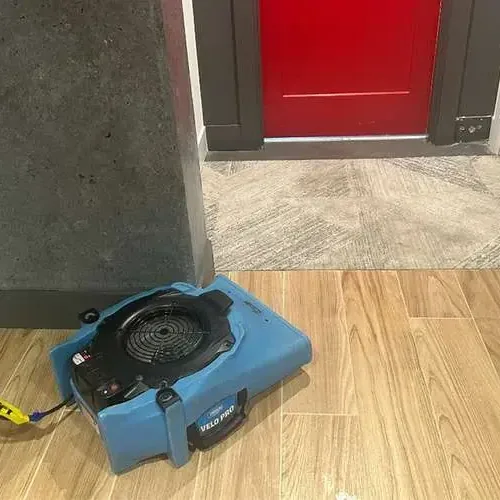
Water damage services
Every kind of water problem, one crew
From a pan of standing water to a flooded floor, each service below follows the same steps: stop the source, extract, open, dry and document.
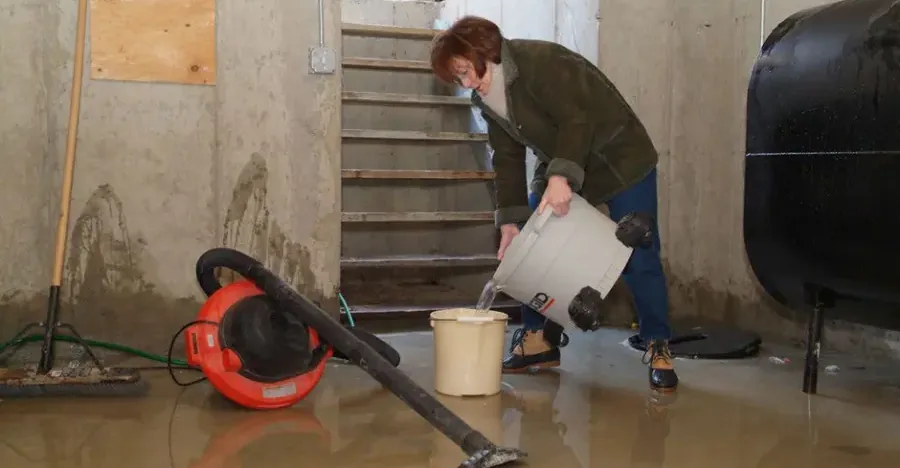 01Water ExtractionPumps and extractors pull standing water and soaked carpet out before drying begins.
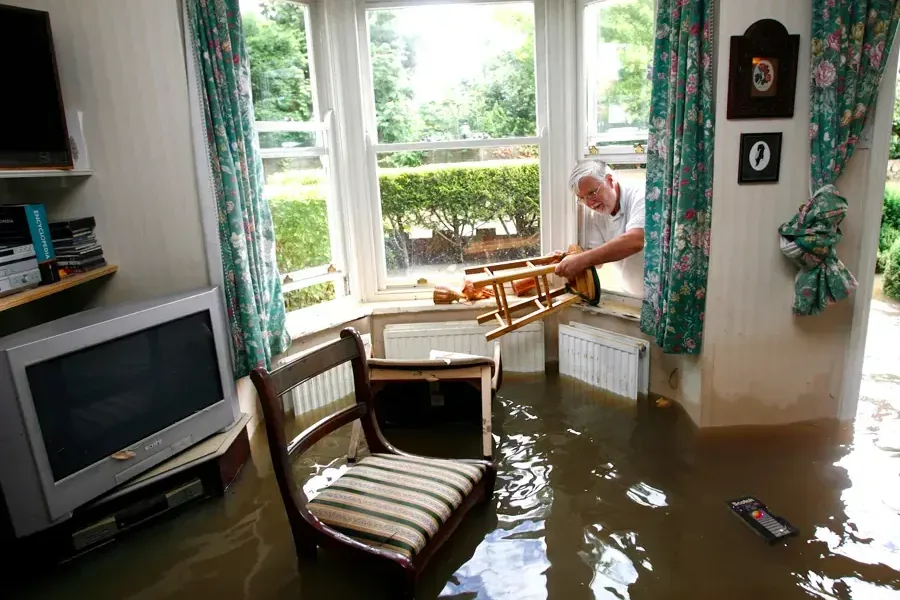 02Flood Water CleanupSurge and rain water gets contained, removed and treated as Category 3 water.
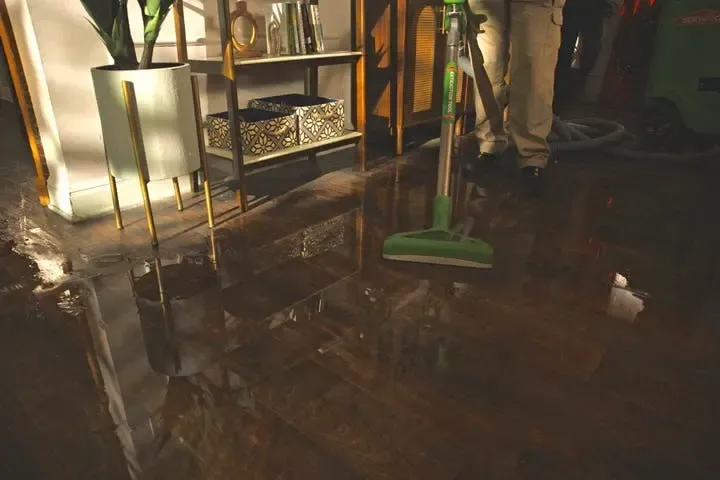 03Hurricane and Storm Water DamageWet attics, ceilings and walls after a tropical system get opened and dried.
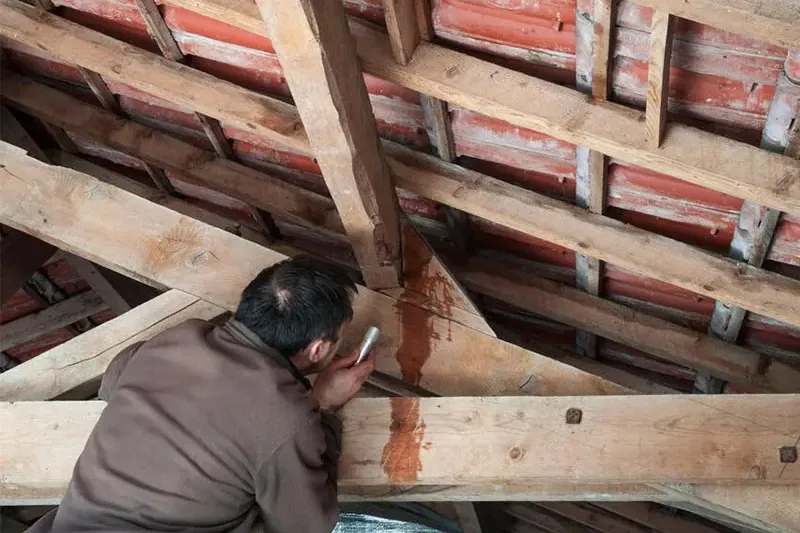 04Roof Leak Water DamageRoof rain is traced, then the attic and ceiling below get dried.
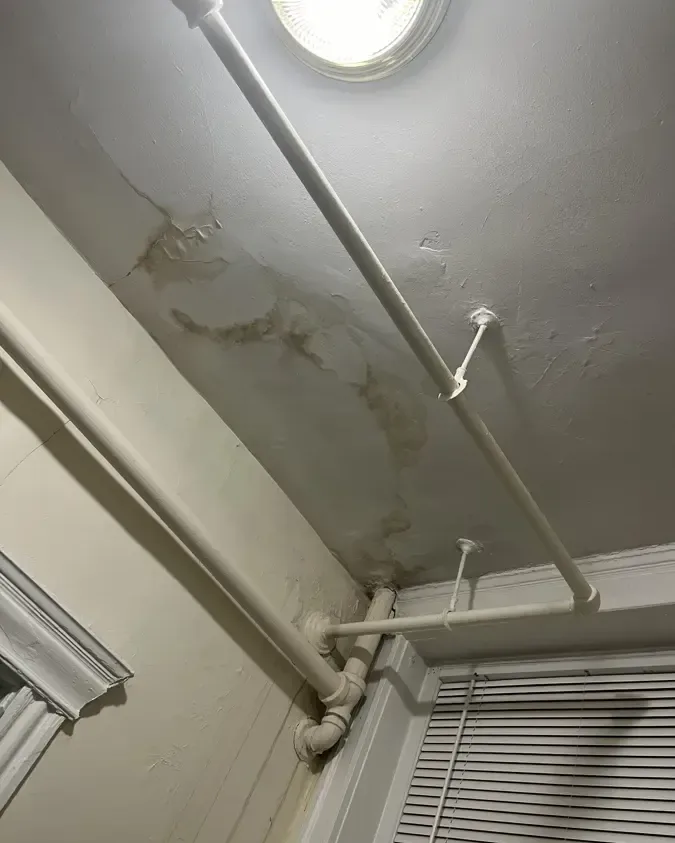
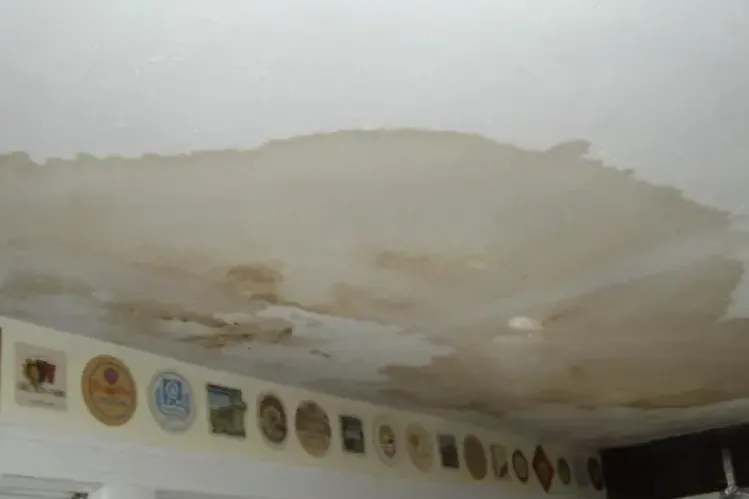 05Ceiling Leak Water DamageStained or sagging drywall is opened and the cavity above it dried out.
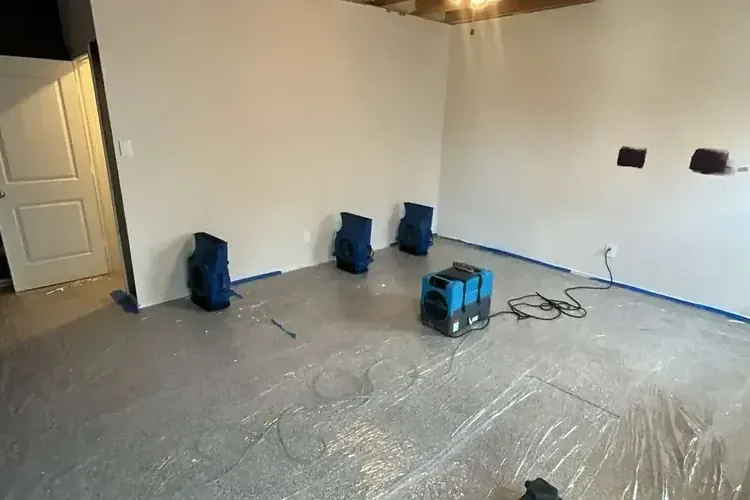 06AC Leak Water DamageAir handler overflow soaks ceilings and closets, so both get dried and checked.
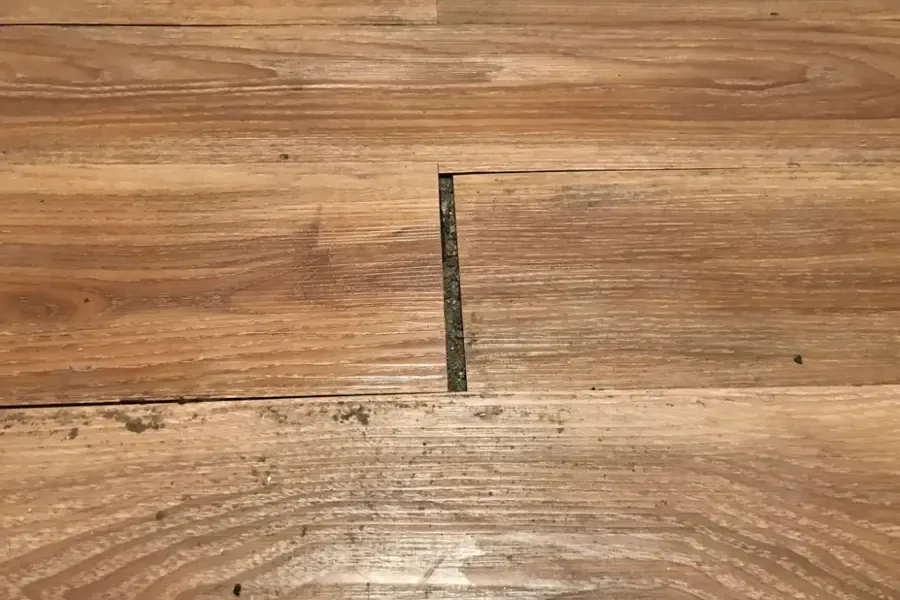 07Slab Leak Water DamageHidden leaks under flooring get mapped, opened and dried down to the slab.
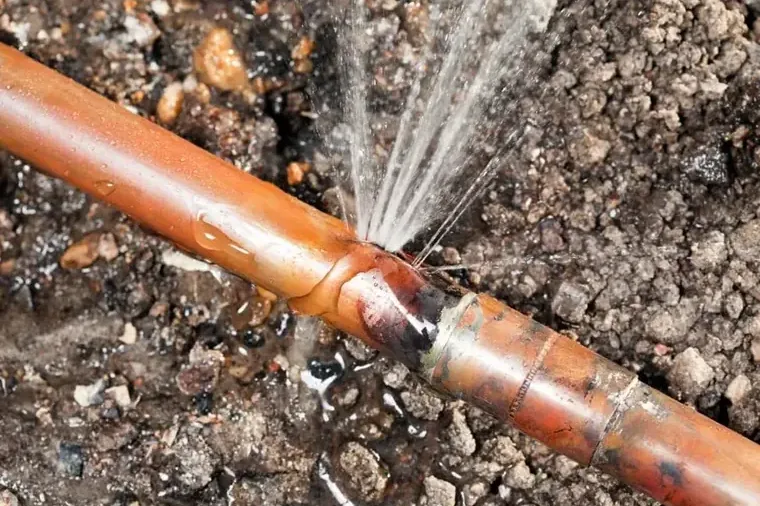 08Burst Pipe Water DamageSplit pipe water is extracted and the walls and floors dry under monitoring.
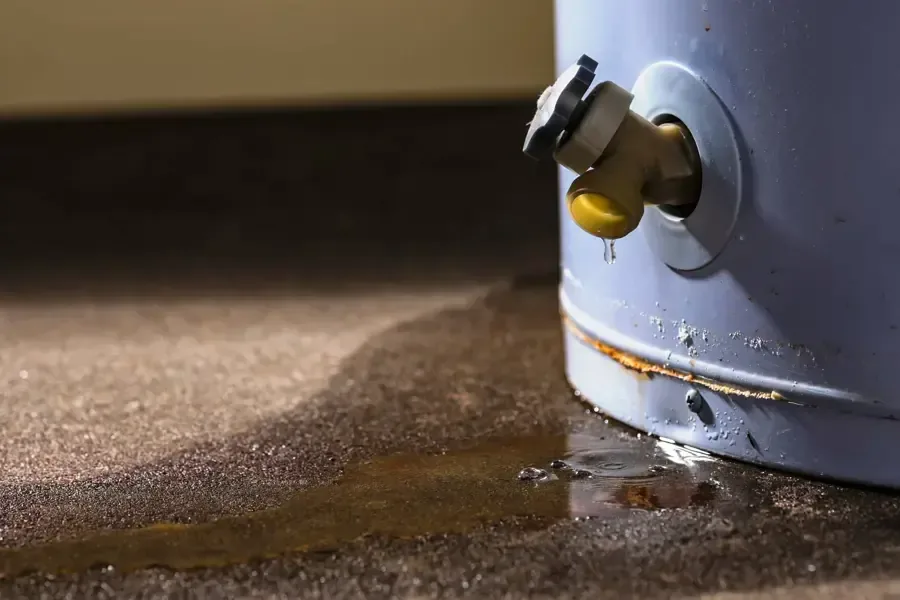 09Water Heater Leak CleanupA tank leak is extracted and the wall bottoms nearby are dried.
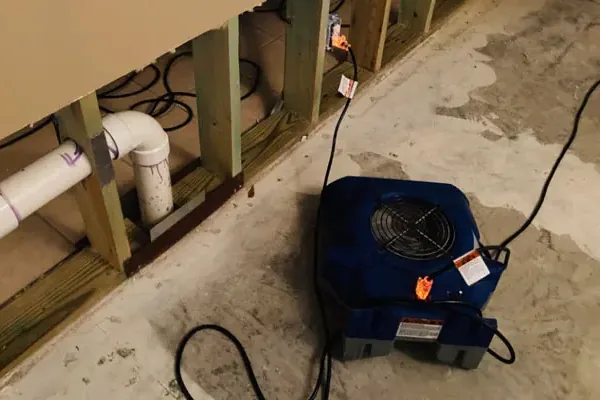 10Appliance Leak Water DamageWasher, dishwasher and refrigerator leaks are dried under cabinets and floors.
 11Sewage Backup CleanupSewage backups are cleared in protective gear and treated as Category 3 water.
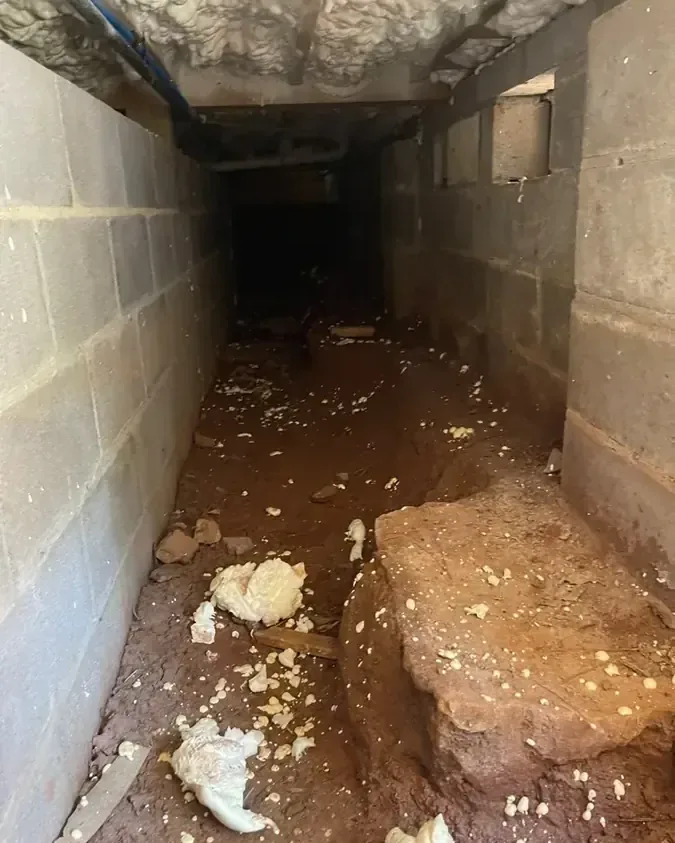
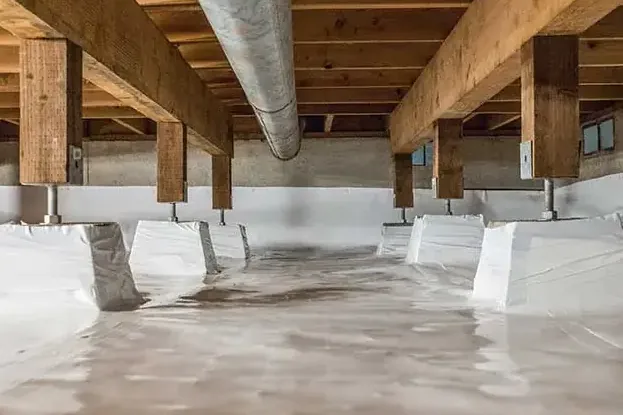 12Crawl Space Water RemovalStanding water and wet insulation beneath the floor are pumped out and dried.
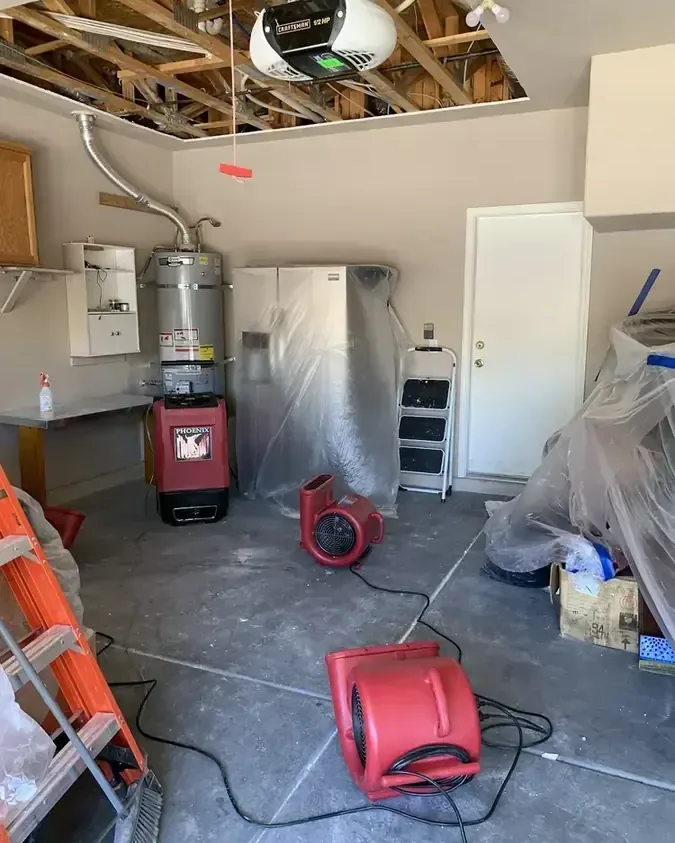
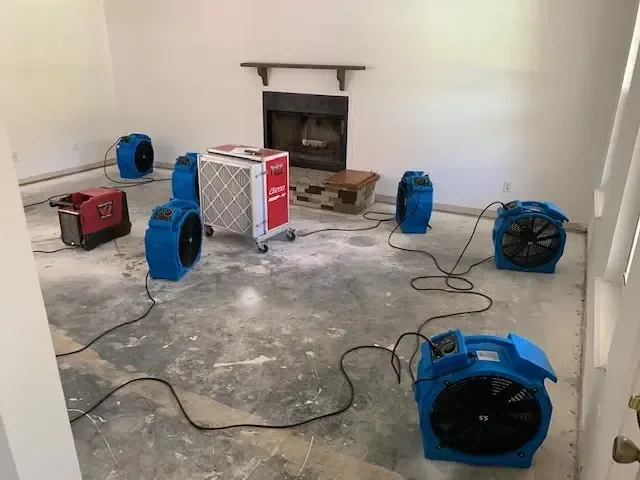 13Structural DryingAir movers and dehumidifiers dry framing, subfloors and walls to target readings.
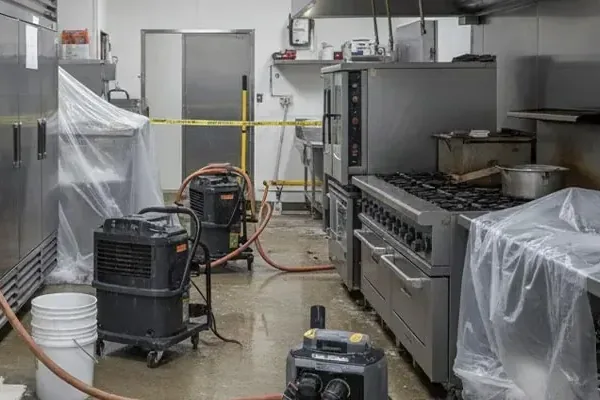 14Commercial Water DamageShops and offices get phased drying with separate logs for each unit.
How the work is handled
From the first call to a dry, documented structure
Each job follows the same industry steps, whether the water came from a burst pipe or Gulf surge.
- 1
Rapid local response
A crew is dispatched after a short intake about the water source and wet rooms.
- 2
Moisture mapping
Meters and a thermal camera trace where water traveled behind walls, under floors and above ceilings.
- 3
Extraction
Standing water comes out first, with pad and soaked materials removed so they stop holding moisture.
- 4
IICRC S500 drying
Air movers and dehumidifiers run to the S500 standard, with moisture readings taken every day.
- 5
Claim-ready documentation
Photos, readings and equipment logs are saved in a form an adjuster can follow.
Dry before damage spreads Wet drywall and framing can start growing mold within 24 to 48 hours, so the aim is a dry structure as fast as practical, with readings that prove it before walls are closed.
First steps
What to do right after water shows up
A few safe actions limit the damage before drying equipment arrives, and none of them need tools or special training.
- Shut off the water at the valve if the source is a pipe, tank or appliance.
- Turn off power to wet rooms at the breaker, and stay out of standing water that reaches outlets.
- Treat storm, surge or sewage water as contaminated, and keep children and pets away from it.
- Photograph every wet surface and damaged item before anything is moved or thrown out.
- Lift small items, pillows and rugs off wet floors, then call the restoration team and report the claim.
Typical cost ranges
What water damage cleanup tends to cost here
Most jobs land between $1,000 and $20,000 or more, set by how many rooms are wet, how long the water sat and whether it was clean, gray or sewage water. Surge and storm water cost more because it is Category 3 water, so contaminated materials must be removed instead of dried.
Small area, caught early
$1,000 to $3,000
- Standing water pumped out
- Wet baseboards pulled off
- Air movers and one dehumidifier
Several rooms or a floor
$3,000 to $7,500
- Wet drywall cut and removed
- LGR dehumidification
- Readings every day
Flood, sewage or long exposure
$7,500 to $20,000+
- Contaminated materials hauled out
- Antimicrobial and containment
- Longer structural drying
Final cost follows the moisture readings, the scope of removal and what the policy covers. A cost calculator gives a rough range before anyone visits.
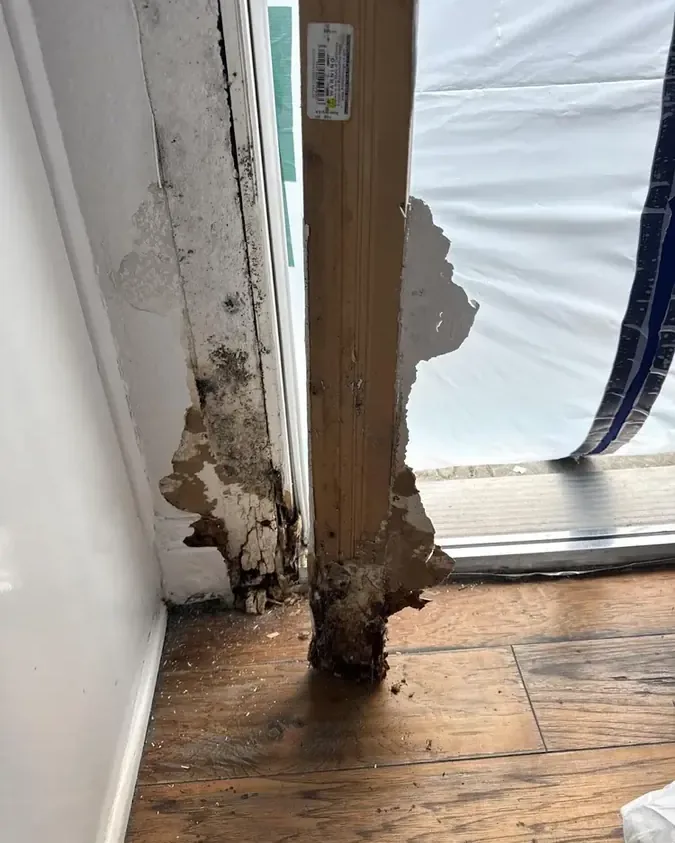
Gallery
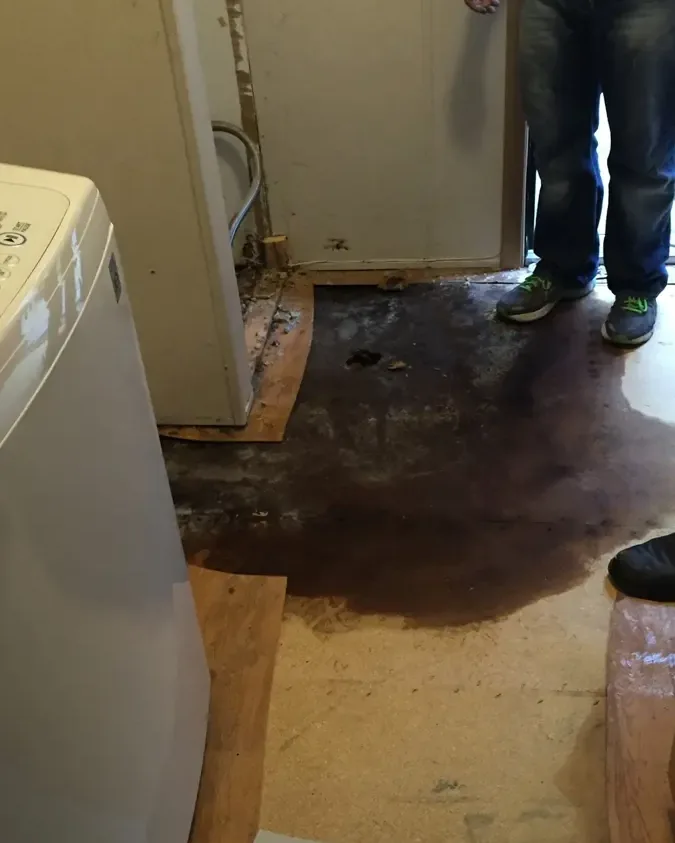
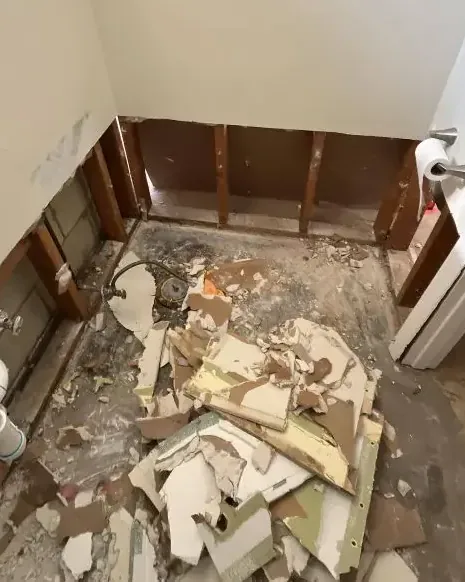
What water damage cleanup looks like in the field
How drying is done
Equipment and records that meet the industry standard
Drying follows the IICRC S500 water damage standard, with moisture meters, thermal imaging and psychrometric logs that show when each room reaches its dry target and prove the result.
- Moisture mapping with meters
- Truck-mounted water removal
- Air scrubbers for dirty water
- Daily psychrometric logs
Equipment is pulled only after framing, subfloor and drywall read dry, and the final photos and logs go into the job file for the insurer.
Insurance
What an insurance claim needs
Adjusters look for the same few records on every water claim.
- Dated photos of damage before demolition
- Moisture readings from the first day
- Notes on the water source and category
- Equipment placement and drying logs
- An itemized list of removed materials
The city's floodplain page tells owners to call the city to learn the flood hazard for their property and to carry flood insurance. Standard homeowner policies and flood policies differ, so the restoration team documents the loss and the insurer decides what is paid.
Water categories
Clean, gray and black water need different handling
Category 1, clean water
A broken supply pipe or tank overflow starts clean, but it picks up contamination as it sits in materials. Burst pipe water damage
Category 2, gray water
Washer, dishwasher and refrigerator leaks carry soap or food residue, so soaked pad and cabinet bases come out sooner. Appliance leak water damage
Category 3, black water
Sewage and Gulf surge water carry bacteria, so affected materials are removed instead of dried in place. Sewage backup cleanup
Service area
Where the crews work in Waveland
Work covers the whole city, from the Beach Boulevard shoreline to the streets near U.S. Route 90, and each job starts with moisture readings in the affected rooms.
Neighborhoods and corridors
- Beach Boulevard shoreline
- Area south of the CSX railroad
- Gulfside Assembly area
- Buccaneer State Park area
- Jackson Ridge
- Coleman Avenue
- Gulfside Street
ZIP code
- 39576
Reach
Talk to a drying crew about your property
Property owners in Waveland, ZIP 39576, can call at any hour and describe the water source, the rooms affected and any safety concerns. The restoration team then lays out a plan for extraction and drying.
Slidell Water Damage Restoration
Waveland, MS
Open every day, all hours
Local conditions
Why Gulf storms keep sending water indoors
Waveland sits on the Gulf of Mexico along Mississippi Sound, and its storm record shapes the kind of water damage that shows up here.
- The U.S. Geological Survey estimates Katrina's surge topped 20 feet in Waveland in 2005, and NPR later reported nearly every residence in the city was damaged or destroyed.
- The National Hurricane Center reported 5.7 feet of surge at the city's tide gauge during Hurricane Isaac in August 2012, and parts of the city flooded.
- Beach Boulevard flooded on September 14, 2020, as Hurricane Sally approached, with Gulf water creeping over the shore into bike paths and parking lots, the Associated Press reported.
- Tropical Storm Arthur's remnants brought heavy rain and damage across South Mississippi from June 18 to 20, 2026, and federal declaration DR-4930-MS includes Hancock County.
- In late January 2026 a city water main break shut down all of the city's wells and brought a citywide boil water notice, lifted on February 2.
Questions
Water damage questions answered
How quickly does water damage get worse?
Wet drywall, insulation and wood can begin growing mold within 24 to 48 hours, and swelling and staining start sooner. Fast extraction and drying stop the spread, and the drying time estimator shows what a typical job needs.
Is Gulf surge water treated differently from rain?
Yes. Surge and flood water counts as Category 3 water because it can carry sewage and runoff, so soaked pad, drywall and insulation are removed instead of dried in place. Flood water cleanup adds containment and antimicrobial treatment.
Will the restoration team document the loss for insurance?
Yes. Photos taken before demolition, moisture readings, equipment logs and a list of removed materials go into the job file for the adjuster. The team does not decide coverage, because the policy sets what is paid.
Can wet carpet and padding be saved?
Carpet can often be extracted and dried when the water was clean and caught early, but the pad usually comes out. Sewage or flood water ruins both, and those materials are removed and discarded.
How does the crew know when a building is dry?
Moisture meters and thermal imaging steer the work, and a psychrometric log tracks air conditions each day. Walls, framing and subfloors must read at their dry targets before any equipment comes out.
Does a boil water notice mean pipes were damaged?
No. A boil water notice, like the citywide ones issued in February 2023 and again in late January 2026, is a drinking water precaution and does not say any home flooded. If water is escaping indoors, shut it off and call.
Are shops and public buildings handled differently?
Larger buildings use phased drying, so one suite or room can dry while others stay open, and each unit gets its own records. Commercial water damage covers properties along Beach Boulevard and the U.S. Route 90 side of town.
What makes a sewage backup different from other leaks?
Sewage is Category 3 water, so the crew works in protective gear, sets up containment and removes affected flooring and lower drywall instead of drying it. Sewage backup cleanup also uses HEPA air scrubbers.
How long does structural drying usually take?
Most jobs need several days of equipment, and longer for hardwood, plaster or a slab. The class of the loss and the conditions in each room set the schedule, and daily readings show when to stop.
Does a storm roof leak count as storm water damage?
Rain that enters through a damaged roof is storm damage, and the wet ceiling, insulation and walls are opened and dried. Roof leak water damage starts in the attic to find where the water traveled.
Water in the building right now?
One call gets the extraction and drying plan moving
One call covers the water source, which rooms are wet and any safety hazards, then the crew plans extraction and drying.