Wind-driven rain inside
Hurricane and Storm Water Damage in Slidell, LA
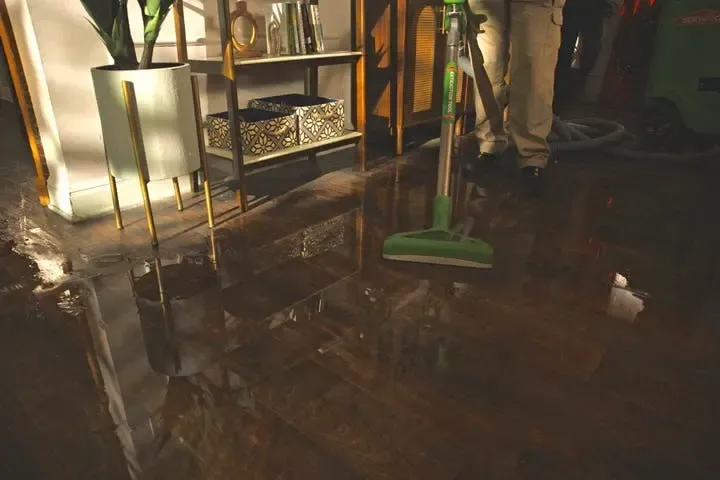
A hurricane can push rain sideways through lifted shingles, window frames and soffit vents for hours. The response team tracks where it came in, removes what soaked through and dries ceilings and walls before the humidity takes over.
(888) 417-5665Storm water inside? Start the dry-out- Entry point mapping
- Attic and wall cavity drying
- Claim photos before tear-out
Right now
First steps for hurricane and storm water damage
- Stop the entry. Tarp the roof or cover the window once the wind has passed and it is safe.
- Catch the drips. Set buckets under active drips and move furniture and electronics away.
- Watch the ceiling. Stay out from under a sagging ceiling; it can drop without warning.
- Photograph outside and in. Record roof, window and siding damage plus every wet room.
The trade facts behind the work
- Wind-driven rain travels inside walls well past where it entered.
- Wet ceiling insulation is removed; it does not dry in place.
- Wind damage and flood damage are documented separately for the claim.
Rain got in during the storm? Call (888) 417-5665
How the work runs
How hurricane and storm water damage is handled, step by step
- 1
Trace
Map every path the rain took through attic and walls.
- 2
Open
Sagging ceilings and wet insulation come out.
- 3
Dry
Air movers, LGR dehumidifiers and cavity drying.
- 4
Document
Photos and readings that separate wind from flood damage.
Typical cost
What does hurricane and storm water damage cost in Slidell, LA?
In Slidell, LA, hurricane and storm water damage typically costs $2,000 to $12,000 to dry out, depending on how many ceilings and walls took water, how much insulation is wet and how long the rain got in. Roof repair is a separate cost.
One leak area
$2,000 to $4,500
- Wet ceiling drywall removed
- Attic insulation pulled
- Air movers and a dehumidifier
Several rooms
$4,500 to $9,000
- Ceilings and walls opened
- Wall cavities dried
- Daily readings
Large breach, long exposure
$9,000 to $18,000+
- Attic and many rooms
- Flooring lifted
- Extended drying and containment
These are typical ranges, not a quote. The category of water, the square footage, the material class and how fast drying started move the number most. Try the water damage cost calculator for a planning figure.
Storm damage is different from flooding. The water comes from above and from the side, driven by wind through gaps the storm opened: missing shingles, torn soffits, failed window seals and siding that lifted. Hurricane season runs June through November here, and the worst losses come when a storm stalls and the rain keeps coming for a day or more.
Finding every entry point
Wind-driven rain rarely stays where it came in. It runs along rafters, drips onto insulation and travels down inside walls to the bottom plate. The tech who does the walkthrough uses thermal imaging and meters to follow each path, so wet insulation in a far corner of the attic is not missed.
- Ceiling drywall that sags or holds water comes down first
- Wet blown-in insulation is removed from the attic
- Walls under leaking windows are checked from top plate to bottom plate
Storm water versus flood water
Rain that comes through the roof or a window is usually treated as clean or gray water when it is handled quickly. Water that rose from outside and came in at floor level is flood water, Category 3, and it goes through the flood water cleanup process. Many hurricanes bring both, and the claim file has to separate them, because policies treat wind-driven rain and rising water differently.
Keeping the house from getting worse
After a storm, the first job is stopping more water. A roofer or the homeowner tarps the roof; the drying team cannot finish while rain still gets in. Ready.gov hurricane advice covers safety after the storm, and the National Weather Service forecast office, based in Slidell, issues the local warnings.
- Tarps on the roof before interior drying starts
- Power off to rooms with water in light fixtures
- Photos of exterior damage for the claim
Service area
Hurricane and Storm Water Damage across Slidell and nearby
The extraction crew and the drying team cover ZIP codes 70458, 70459, 70460 and 70469, from Olde Towne and the Gause Boulevard corridor to Cross Gates, Kingspoint and the lakefront canals of Eden Isles and Oak Harbor.
Nearby coverage reaches Pearl River, Lacombe, Mandeville, Covington, Picayune, Waveland and Diamondhead.
See every area and ZIP coveredRelated
Related water damage services
Questions
Hurricane and Storm Water Damage questions, answered
Is hurricane rain damage covered differently from flood damage?
Often, yes. Wind-driven rain through a storm-damaged roof or window usually falls under a homeowners or wind policy, while rising water falls under flood coverage. Coverage depends on your policy, so check with your own insurer.
Can drying start before the roof is repaired?
Once the roof is tarped, yes. Drying a room while rain still gets in wastes equipment time and leaves the job unfinished.
Does wet attic insulation have to be replaced?
Usually. Blown-in and batt insulation hold water, flatten and stop insulating once soaked, so the crew removes it and dries the decking and joists.
How long does storm water damage take to dry?
A few rooms with opened ceilings usually dry in three to seven days. Long exposure, plaster and wet subfloors add time.
What if water came in through a window?
The crew checks the wall below from top to bottom, since water often runs inside the cavity to the bottom plate and the floor.
What belongs in the claim file after a hurricane?
Exterior photos of the damage, interior photos before tear-out, the moisture map, daily readings and a scope that separates wind-driven rain from any flood water.
24/7 water damage dispatch
Hurricane rain inside the walls? Dry it before the humidity wins.
The response team traces where the storm let water in, removes what soaked through and dries the house to a reading.