Water damage restoration in St. Tammany Parish
Water Damage Restoration Covington, LA
The restoration team pumps out flood, storm and plumbing water, maps what stayed wet with moisture meters, and dries Covington homes and shops to written targets before anything is rebuilt.
(888) 417-5665Talk to a drying crew- 24/7 emergency dispatch
- Moisture maps for each room
- Truck-mounted water removal
- Readings logged daily
Services
Water and sewage services for homes and shops
Each service below covers one kind of wet emergency, from a failed hose to river water in the living room, and every one starts with readings.
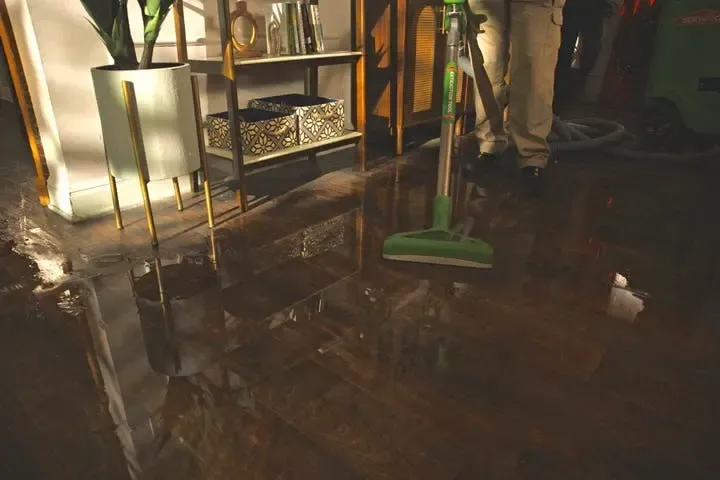
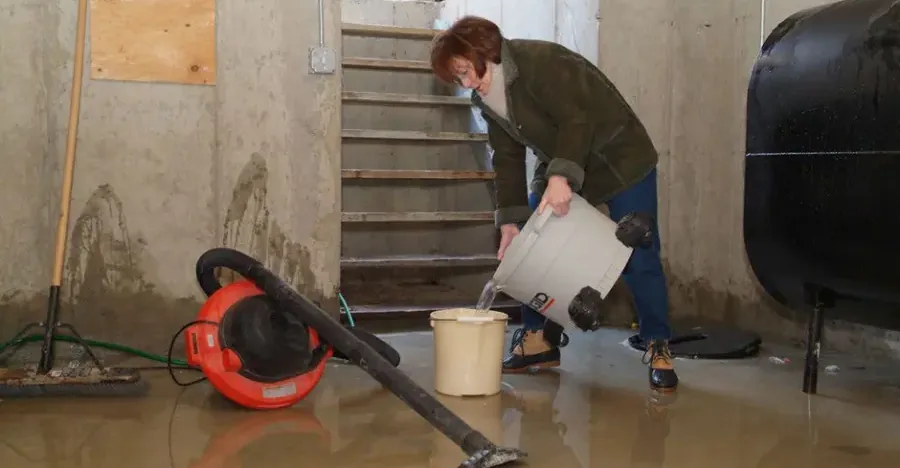 01Water ExtractionTruck-mounted pumps lift standing water from carpet and floors before it spreads.
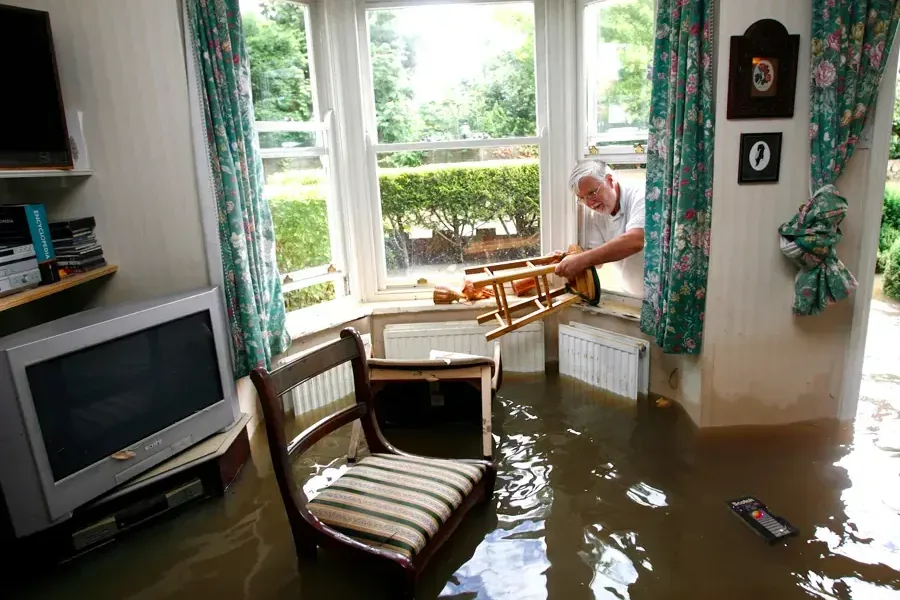 02Flood Water CleanupRiver, creek or street water gets pumped out, silt cleared and soaked materials removed.
 03Hurricane and Storm Water DamageWind-driven rain and fallen limbs open roofs, then wet attics and ceilings get dried.
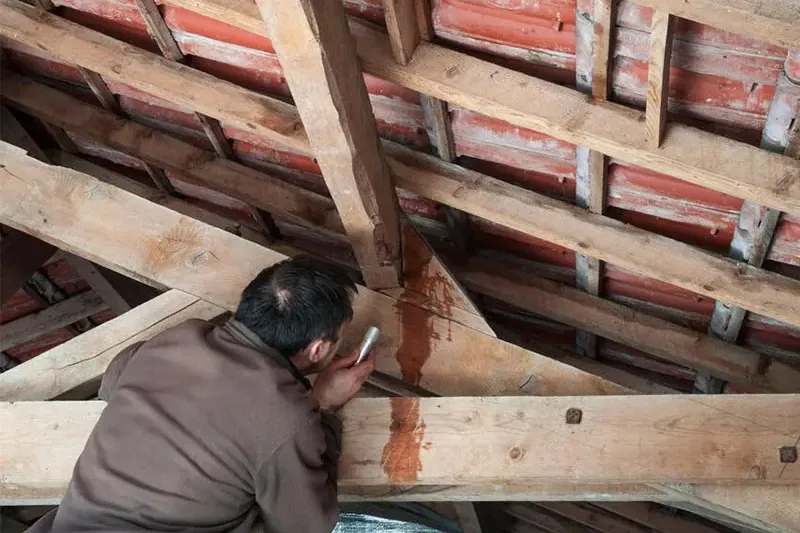 04Roof Leak Water DamageA roof leak is traced, wet insulation pulled and the ceiling below dried.
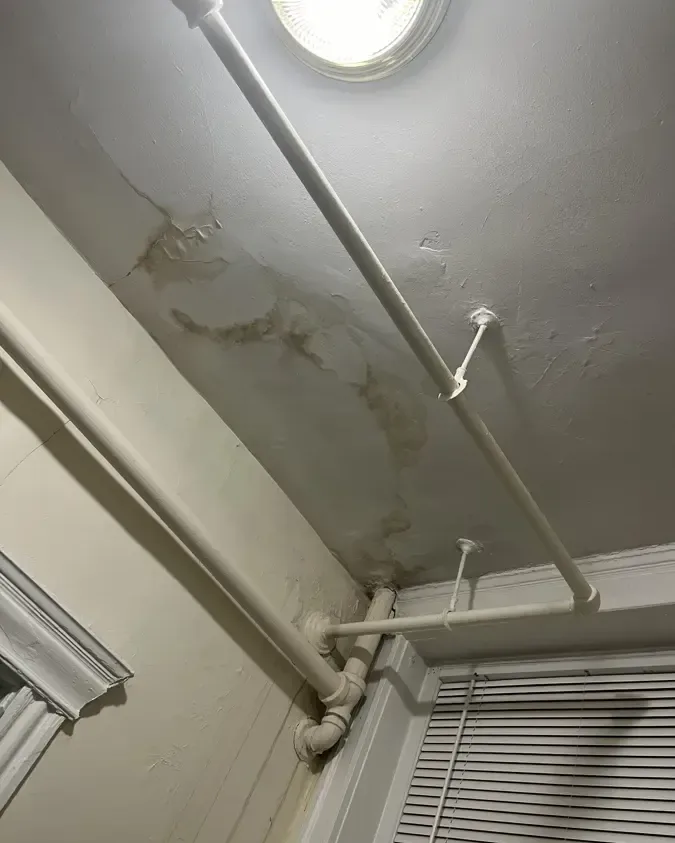
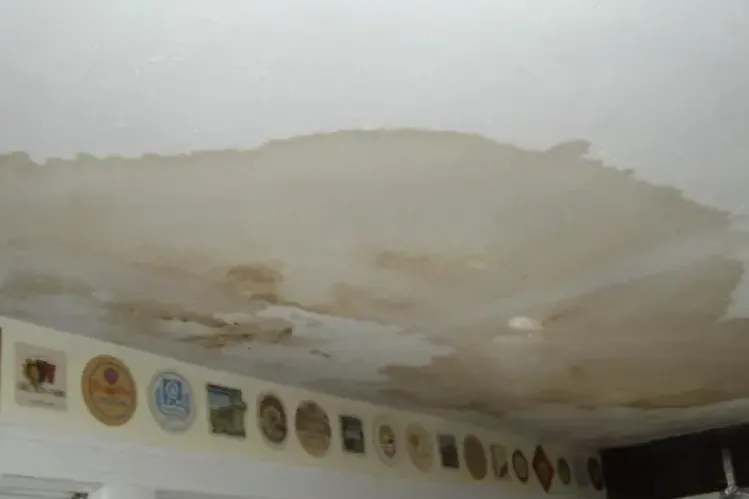 05Ceiling Leak Water DamageStained or sagging ceilings get opened, dried and checked for their source.
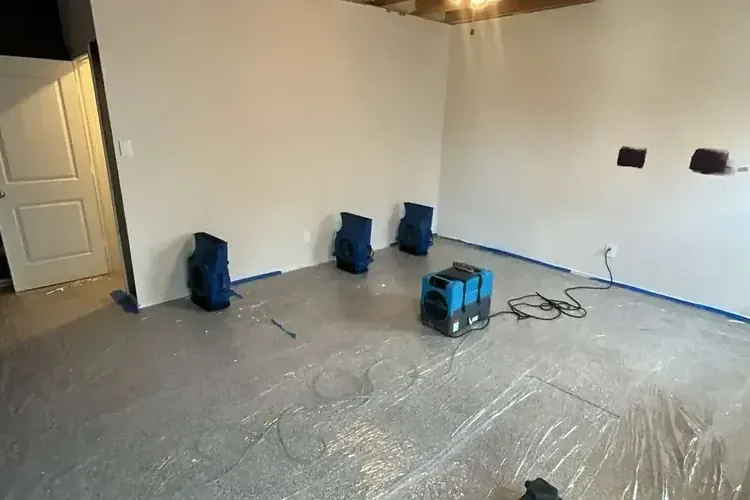 06AC Leak Water DamageOverflowing condensate drains soak ceilings and walls, which are then dried.
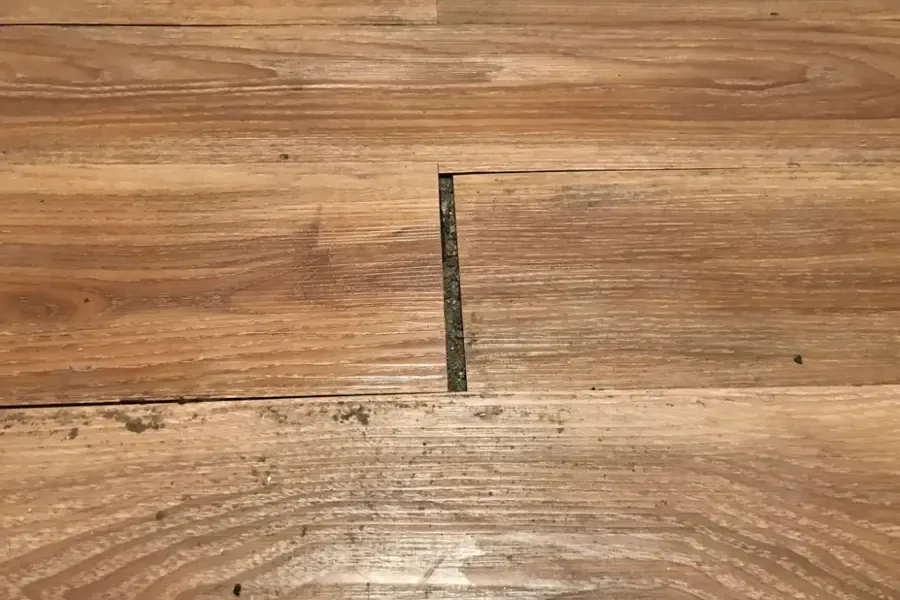 07Slab Leak Water DamageLeaks under a slab floor are dried once the plumber has found them.
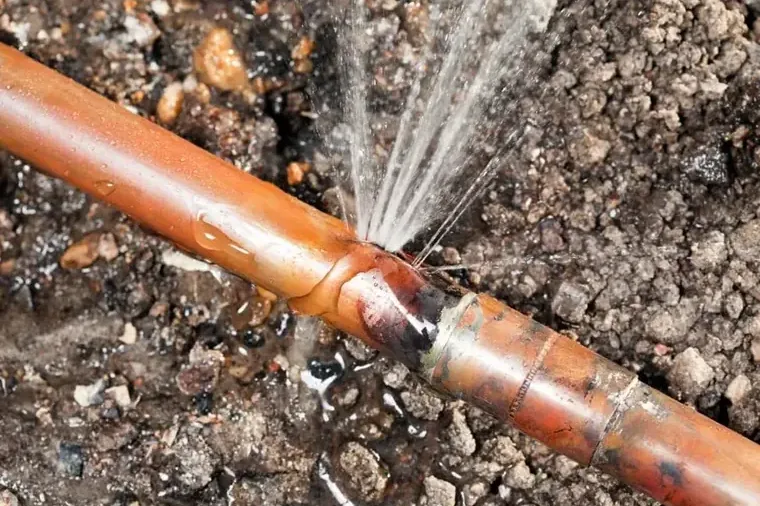 08Burst Pipe Water DamageSplit pipes are shut off, then standing water is extracted and walls dried.
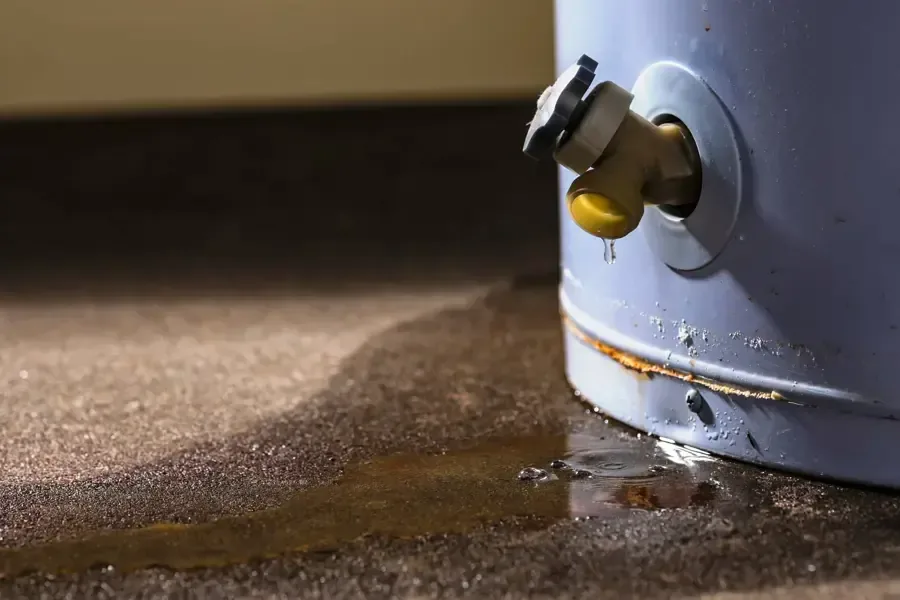 09Water Heater Leak CleanupA leaking tank floods closets and garage floors, which are extracted and dried.
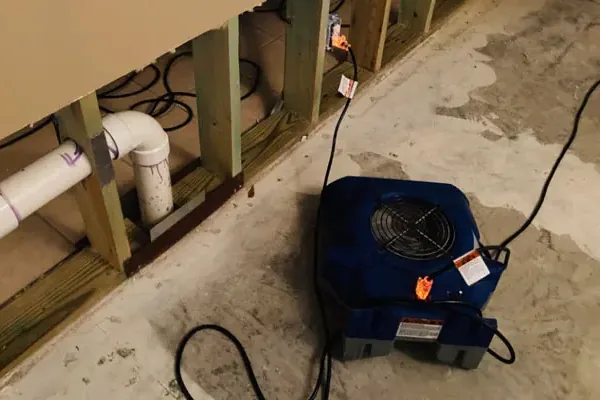 10Appliance Leak Water DamageA failed washer, dishwasher or refrigerator hose gets cleaned up and dried.
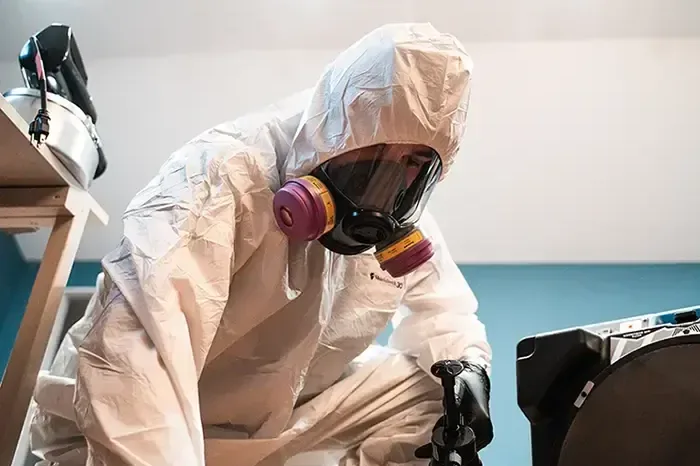 11Sewage Backup CleanupSewage is removed in protective gear, then surfaces are cleaned and treated.
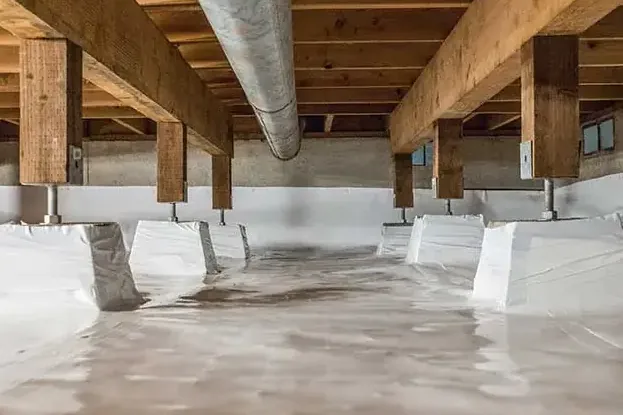 12Crawl Space Water RemovalWater under a raised floor is pumped out and the space dried.
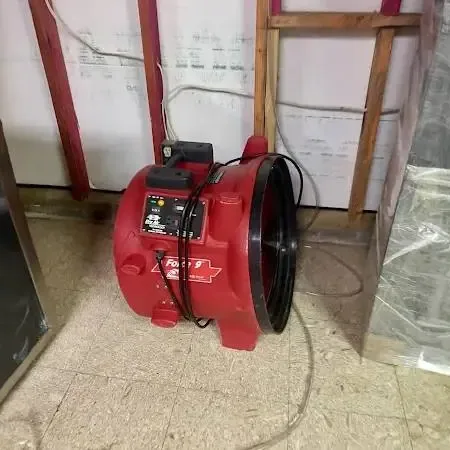
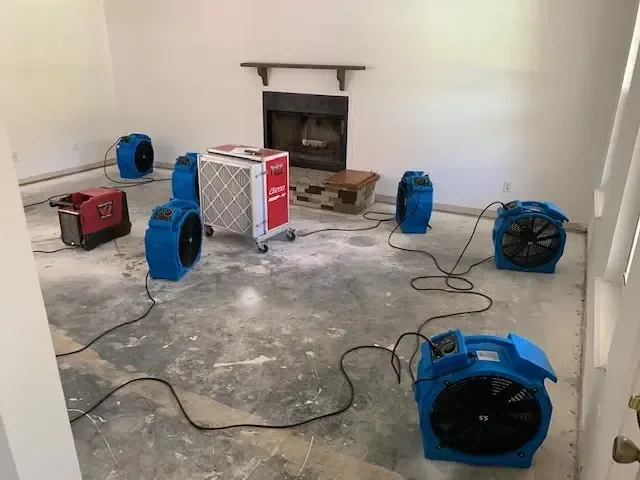 13Structural DryingAir movers and LGR dehumidifiers dry walls, floors and framing to documented targets.
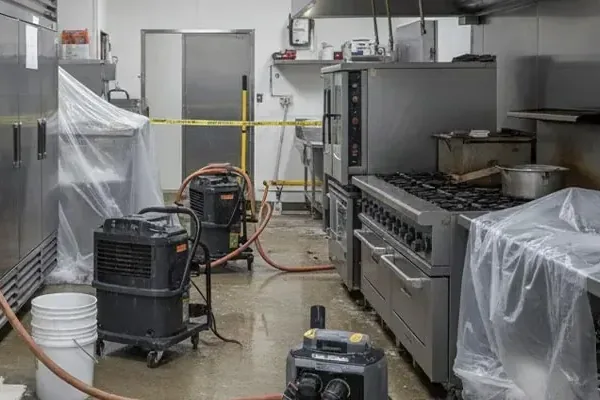 14Commercial Water DamageShops, restaurants and offices get phased drying with separate records per unit.
How it is handled
From the first call to the final reading, five steps
Every job follows the same sequence so nothing is skipped and the paperwork matches the work.
- 1
Rapid local response
The crew brings pumps, meters and drying gear and starts in the wettest room.
- 2
Moisture mapping
Meters and a thermal camera show how far water traveled into walls, floors and ceilings.
- 3
Extraction
Truck-mounted units remove standing water, then wands pull what the carpet and pad still hold.
- 4
IICRC S500 drying
Air movers and LGR dehumidifiers run to the S500 standard until readings match dry reference points.
- 5
Claim-ready documentation
Photos, moisture logs and equipment records are kept so the insurance claim has proof.
Dry structure, not surface dry The job ends when moisture readings in studs, subfloor and drywall match unaffected reference materials, and that is what keeps leftover dampness from rotting framing behind the walls.
First steps
Safe moves before the crew gets there
These steps limit the damage and keep people safe, and none of them requires opening walls or moving heavy furniture alone.
- Stop the source if it is safe: close the shutoff for a pipe or appliance, or turn off the AC.
- Switch off power to wet rooms at the breaker, and stay out of standing water near outlets, cords or appliances.
- Lift small items, rugs and electronics off wet floors, but leave soaked drywall and carpet for the crew.
- Take wide photos and close-ups of the damage and affected belongings before anything is moved or thrown away.
- Call the water damage crew and the insurer's claim contact, then describe what is wet and where the water came from.
Typical cost ranges
What water damage restoration tends to cost
Most jobs fall between $1,000 and $7,500. The spread comes from how many rooms are wet, how long the water sat and whether it was clean, gray or sewage water, so a written scope matters far more than a single number quoted in advance.
Small area, caught early
$1,000 to $3,000
- Standing water pumped out
- Baseboards pulled where wet
- Air movers and meter checks
Several rooms, one floor
$3,000 to $7,500
- Wet drywall cut out
- LGR dehumidification
- Readings every day
Flood or sewage, many rooms
$7,500 to $20,000+
- Flooring and wet insulation removed
- Antimicrobial and containment
- Longer structural drying
Ranges exclude rebuilding and repairs. Contaminated water, hardwood, plaster and slab floors push a job toward the upper tier, and the final scope is written after meters are read.
Gallery
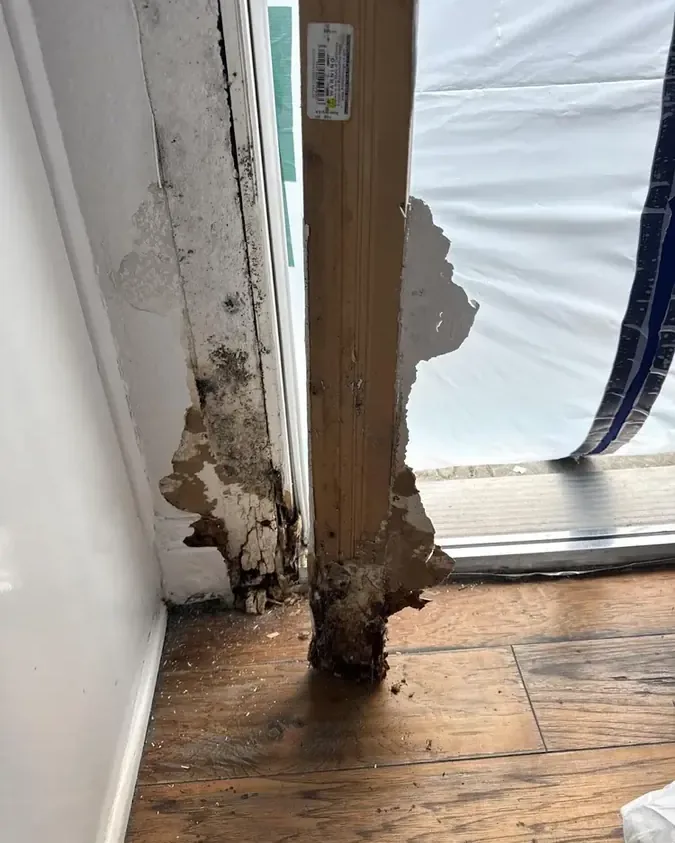
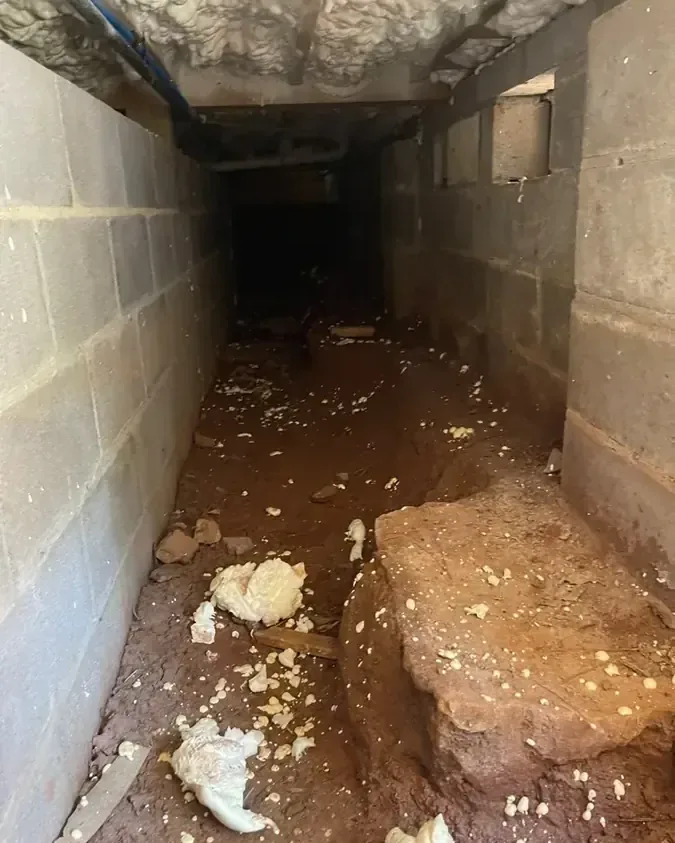
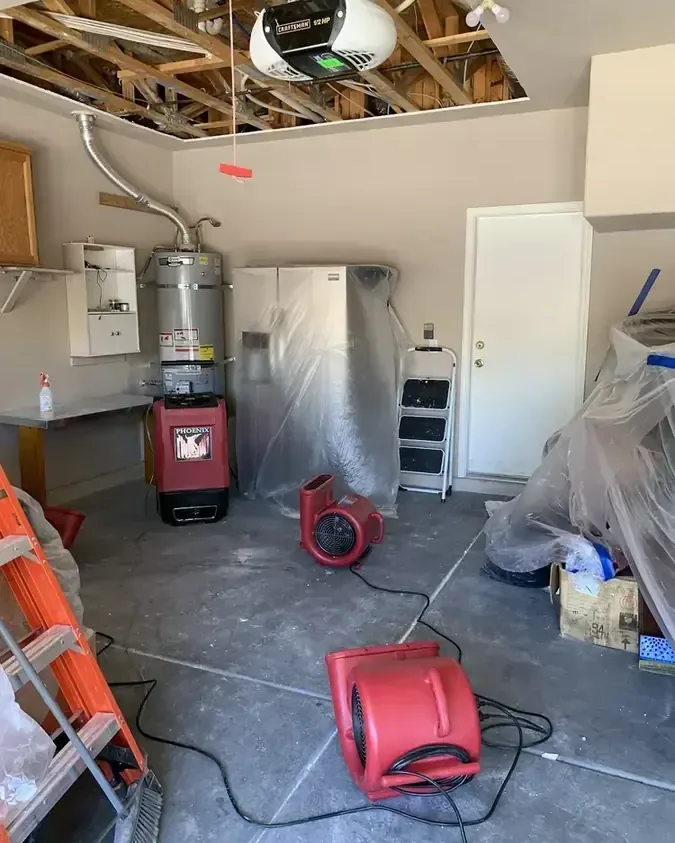
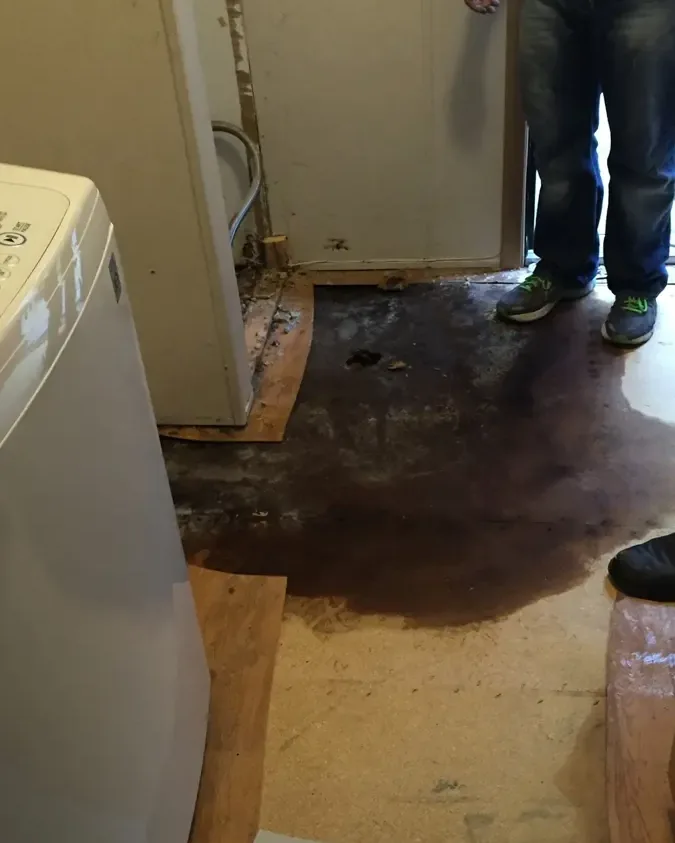
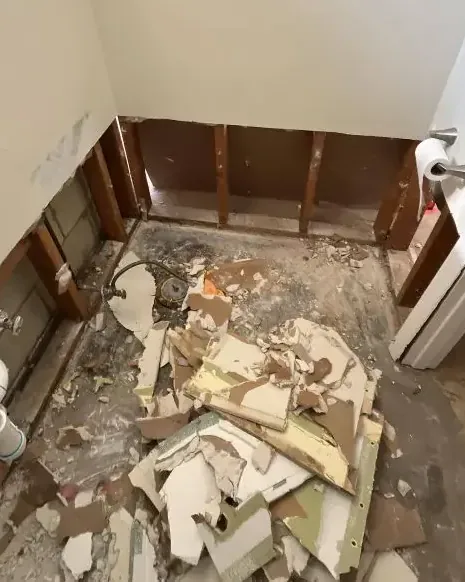
Typical water damage scenes the drying team handles
Drying to a standard
Work measured by readings, not guesswork
Every drying plan is built on the IICRC S500 standard, with equipment sized to each room and daily logs showing the numbers move toward dry targets before any gear is pulled.
- IICRC S500 drying plans
- Truck-mounted water removal
- Thermal camera moisture scans
- Written scope before demolition
Moisture logs and photos from every visit are saved, so an adjuster can see what was wet, what was removed and when the structure tested dry.
Insurance
Working with your insurance claim
Records are kept as the work happens, so adjusters get proof without chasing it.
- Dated photos of every wet area
- Daily moisture and humidity logs
- Itemized equipment and materials list
- Notes on what was removed and why
- A written scope for the adjuster
Policies differ, and flood or sewer backup coverage is often separate, so the homeowner stays in charge of the claim. The restoration team documents the loss and shares records, and the insurer makes the final coverage decision.
Water categories
Clean, gray and black water are handled differently
Category 1: clean water
A split supply pipe starts out clean, but it degrades fast, so drying cannot wait. Burst pipe water damage
Category 2: gray water
Washing machine, dishwasher or sink overflows carry some contamination, so soaked pad and porous materials are removed. Appliance leak water damage
Category 3: black water
Sewage and river flood water carry bacteria, so crews wear protective gear and remove what cannot be cleaned. Sewage backup cleanup
Service area
Where water damage crews work in Covington
Crews serve the parish seat of St. Tammany Parish, from the historic downtown streets and Columbia Street shops to neighborhoods such as River Forest, the Savannahs and the West 30s.
Neighborhoods and corridors
- Historic downtown
- Columbia Street
- Boston Street
- Collins Boulevard
- Business 190
- Highway 21
- River Forest
- Savannahs
- West 30s
- Military Road area
ZIP codes
- 70433
- 70435
Reach
Reach the Covington team when water is spreading
Describe what is wet and where the water started, and the crew plans pumps, meters and dehumidifiers before reaching the door. Emergency dispatch covers Covington, LA at any hour of the day or night, including weekends and holidays.
Slidell Water Damage Restoration
Covington, LA
Open every day, all hours
Local conditions
Rivers, heavy rain and storms shape the risk here
The city sits at a fork of the Bogue Falaya and Tchefuncte rivers, and local history shows how flood, wind and broken water mains put water inside buildings.
- The Bogue Falaya River set a record flood in March 2016, and about 50 rescues were reported in Covington.
- In June 2001 Tropical Storm Allison held the Bogue Falaya above flood stage for several days, and about 200 Covington homes flooded.
- Heavy rain flooded downtown streets on June 15, 2026, clearing in about 20 minutes, and the mayor warned drivers that a wake can push water into homes and garages.
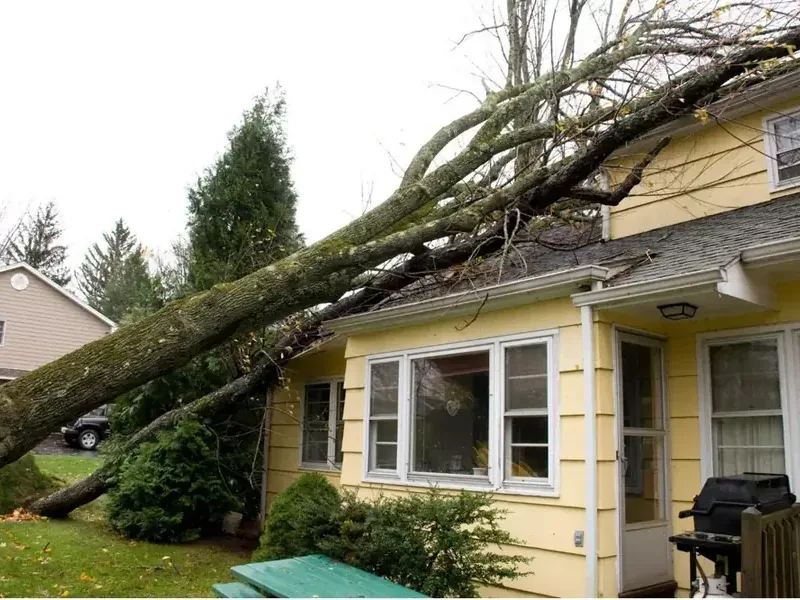
- Hurricane Ida on August 29, 2021 downed thousands of trees across St. Tammany Parish, with widespread roof and fascia damage, and an F2 tornado crossed downtown in 1997.
- A 4-inch main broke on Military Road on January 29, 2024, and a cracked main on Daisey Street brought a boil water advisory to eight streets.
Questions
Common water damage questions
How quickly does water damage turn into a bigger problem?
Wet drywall, insulation and framing can start growing mold within 24 to 48 hours, and carpet pad, hardwood and trim begin to swell or warp sooner than that. Pumping out and running dehumidifiers early keeps a small loss from becoming a rebuild.
What happens during the first visit?
The crew photographs the damage, confirms the water source is stopped, scans walls and floors with moisture meters and a thermal camera, extracts standing water, and sets drying equipment. A written scope follows from those readings.
How do clean, gray and black water differ?
Clean water comes from supply pipes, gray water from washers, dishwashers and sinks, and black water from sewage or flooding. Water that sits for a day or more can slip into a dirtier category, so the crew assesses and treats it. The water category check sorts the three types.
Does river or street flood water need special cleanup?
Yes, flood water is treated as Category 3. Soaked carpet, pad and lower drywall come out, hard surfaces are cleaned and treated, and the crew works in protective gear. The city flood page links real-time gauges for the Bogue Falaya River and the Tchefuncte River.
Who handles a sewer problem, the city or a restoration crew?
The city's Public Works department runs the sewer plant, collection system and lift stations, and handles drainage. Sewage that has entered a building is a different job: that cleanup, drying and sanitizing falls to a restoration crew handling sewage backup cleanup.
Does a boil water advisory mean my home has water damage?
No. An advisory is about drinking water quality after a main break, like the 4-inch break on Military Road on January 29, 2024. Damage only happens if water gets into a building, and then extraction and drying work as they would for any leak.
How is storm or roof water handled after a hurricane?
Wind-driven rain through damaged shingles or fascia soaks attic insulation and ceilings first. Hurricane Ida left widespread roof and fascia damage across St. Tammany Parish, and the drying crew handles the wet interior while a roofer handles repairs.
Can a shop or restaurant stay open during drying?
Sometimes, in part. The work is phased by suite or area, containment separates the wet zone, and each unit gets its own records, so unaffected spaces can keep operating where conditions allow.
How long does structural drying take?
It depends on the materials and how wet they got, so no fixed number applies. The drying time estimator gives a rough range. Meters are read each day, and the gear is pulled only when readings match dry reference points for that building.
Should a plumber or a restoration crew be called first?
Both are needed. The plumber finds and repairs the leak, while the drying crew removes the water and dries what it soaked. Calling the crew early prevents hidden damage while repairs are being scheduled.
Wet floors or a leaking ceiling
Get the water out before it reaches the framing
Water that sits keeps doing damage in walls and subfloors. Call to describe the problem, and the crew will plan extraction and drying around what is wet.