Category 3 water
Sewage Backup Cleanup in Covington, LA
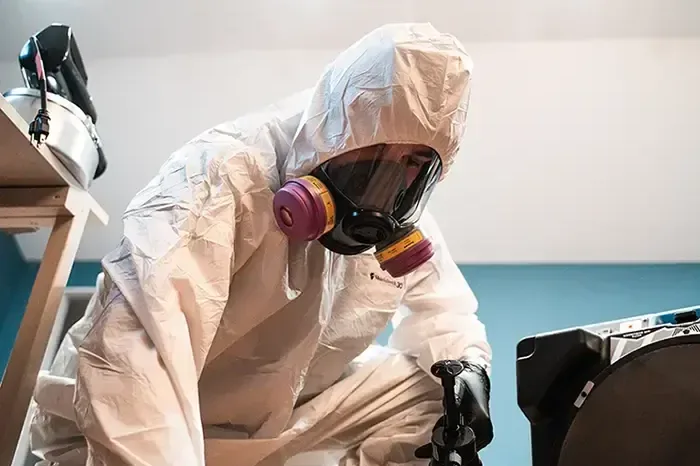
Sewage inside a home is black water, so the cleanup uses protective gear and containment, removes anything porous the water touched, and treats and dries what is left, working to a written scope the homeowner can hand to the insurer.
(888) 417-5665Call about a sewage backup- Protective gear and containment
- HEPA air scrubbers
- Antimicrobial treatment
Right now
First steps for sewage backup cleanup
- Stay out. Keep people and pets out of the contaminated area.
- Stop using water. Avoid flushing and running machines so nothing more drains into the backup.
- Cut the power. Switch off breakers for wet rooms, since sewage can reach outlets and cords.
- Photograph before touching. Capture the water level and affected items, and avoid handling anything contaminated.
The trade facts behind the work
- Porous materials soaked by sewage are removed, not dried.
- HEPA air scrubbers run behind containment sheeting.
- Surfaces that stay are cleaned, treated and verified dry.
Sewage in the house? Talk to the crew: (888) 417-5665
How the work runs
How sewage backup cleanup is handled, step by step
- 1
Contain and protect
Sheeting goes up and the crew suits up first.
- 2
Remove the contaminated
Sewage is extracted and porous materials are cut out and bagged.
- 3
Clean and treat
Surfaces are scrubbed and treated with antimicrobial.
- 4
Dry and verify
Equipment and air scrubbers run until readings match dry references.
Typical cost
What does sewage backup cleanup cost in Covington, LA?
A single bathroom backup usually costs $2,500 to $4,500. Several rooms with carpet and pad removed run $4,500 to $9,000, and a large or long-standing backup with cabinets and walls opened reaches $9,000 to $18,000+.
One bathroom
$2,500 to $4,500
- Containment and protective gear
- Flooring, lower drywall out
- Antimicrobial and drying
Several rooms
$4,500 to $9,000
- Carpet and pad removed
- HEPA air scrubbers running
- Readings every day
Large or long-standing
$9,000 to $18,000+
- Cabinets and walls opened
- Contents removed
- Extended drying
These are typical ranges, not a quote. The category of water, the square footage, the material class and how fast drying started move the number most. Try the water damage cost calculator for a planning figure.
Sewage carries bacteria and viruses, so a backup is never a mop-and-bucket job. Anything porous that the water touched, from carpet and pad to lower drywall, is removed, and what remains is cleaned and treated before drying starts.
Who handles which part
The city's Public Works department runs the sewer plant, the collection system and the lift stations, and it takes after-hours calls about sewer or water emergencies. What happens inside the building, from removal to sanitizing, is the restoration crew's job.
- Public Works for the sewer main and lift stations
- A plumber for the drain blockage inside the home
- The restoration crew for cleanup and drying
What gets removed
Carpet, pad, lower drywall, insulation and particleboard cabinet bases that sewage soaked are cut out, bagged and taken away, because bacteria soak into porous material. Hard surfaces such as tile, sealed concrete and framing are scrubbed, treated and dried instead.
Plastic sheeting seals off the affected area, and HEPA air scrubbers run so contaminated air does not drift into clean rooms. Anyone in the home, especially children, older adults and pets, should stay out until the work is cleared.
Restaurants and grease
The city requires food-service businesses to hold a Grease Control Permit because grease is the leading cause of sanitary sewer overflows. A kitchen backup is handled as commercial water damage with its own containment and records.
After the cleanup
Once the contaminated material is out, structural drying brings the structure back to dry readings, and the written record of what was removed supports the claim. Flood and sewer backup coverage is often separate from a standard homeowner policy, so the policy is worth checking early.
Service area
Sewage Backup Cleanup across Covington and nearby
Sewage cleanup covers homes and businesses across Covington, from shops and salons downtown on Columbia Street to apartment buildings, River Forest, the Savannahs and the West 30s, with the same containment steps everywhere.
The same service nearby: sewage backup cleanup in Slidell, Mandeville, Picayune.
See every town coveredRelated
Related water damage services
Questions
Sewage Backup Cleanup questions, answered
Is a small sewage backup safe to clean myself?
No. Sewage carries bacteria and viruses, and porous materials cannot be made safe by wiping. Protective gear, containment and proper disposal are needed, which is why it is a professional job.
Who should be called first, the city or a cleanup crew?
If the blockage may be in the city's sewer system, Public Works can check it, since it handles the collection system and lift stations. Water already inside the building needs a cleanup crew as well.
What gets thrown away after a sewage backup?
Carpet, pad, insulation and drywall that the water touched are removed, along with soaked cabinet bases and upholstered items. Hard, sealed surfaces can usually be cleaned and treated.
Does homeowner insurance cover sewage backup?
Sewer backup coverage is often a separate endorsement rather than part of a standard policy. The policy decides, so photos, the removal list and moisture logs are kept for the adjuster.
Is it safe to stay in the house during cleanup?
Usually not in the affected area. Containment and air scrubbers protect the rest of the home, but children, older adults and anyone with health concerns are safer elsewhere until the work is cleared.
24/7 water damage dispatch
Get the contamination out and the structure dry
Say which fixtures backed up and which rooms are wet, and the crew will plan containment, removal and treatment before drying.