Standing water, pulled out fast
Water Extraction in Slidell, LA
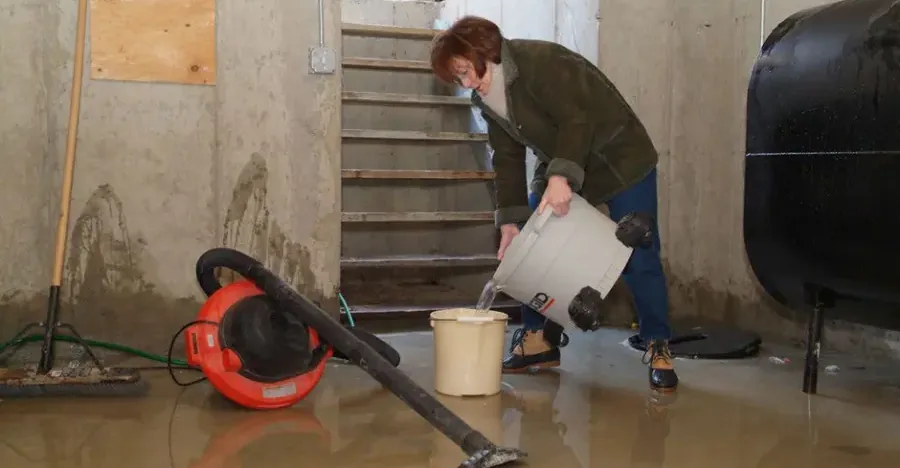
Standing water keeps soaking into pad, drywall and subfloor until it leaves the house. The extraction crew pulls it with truck-mounted units, then the drying team sets equipment to what the meters find.
(888) 417-5665Water on the floor? Start the pump-out- Truck-mounted extraction
- Weighted carpet extraction
- Moisture mapping first
Right now
First steps for water extraction
- Stop the source. Close the main valve, or switch off the AC if the water is coming from the attic.
- Kill wet circuits. Switch off breakers for wet rooms if the panel is in a dry spot.
- Lift what you can. Move rugs, boxes and electronics off the wet floor.
- Photograph first. Take pictures of every wet room before anything is moved or thrown out.
The trade facts behind the work
- Truck-mounted units pull far more water per hour than any shop vacuum.
- Weighted extraction presses water out of carpet and pad before drying starts.
- Flood water and sewage are Category 3, so soaked pad is removed, not dried.
Standing water spreading across the floor? Call (888) 417-5665
How the work runs
How water extraction is handled, step by step
- 1
Assess
The tech maps the wet area and confirms the water category.
- 2
Extract
Truck-mounted and portable units pull the standing water.
- 3
Remove
Soaked pad and ruined materials come out.
- 4
Hand off to drying
Air movers and dehumidifiers go in, sized to the rooms.
Typical cost
What does water extraction cost in Slidell, LA?
In Slidell, LA, water extraction typically runs $400 to $1,500 for one or two rooms and $1,500 to $4,000 when water covers most of a floor. Category 3 water and soaked pad that has to come out push the number higher.
One or two rooms
$400 to $1,500
- Standing water pumped out
- Carpet extracted
- Moisture readings taken
Most of a floor
$1,500 to $4,000
- Truck-mounted extraction
- Pad lifted where soaked
- Baseboards pulled
Flood or sewage water
$3,000 to $8,000+
- Protective gear and containment
- Pad and wet drywall removed
- Antimicrobial treatment
These are typical ranges, not a quote. The category of water, the square footage, the material class and how fast drying started move the number most. Try the water damage cost calculator for a planning figure.
Extraction is the first and cheapest part of any dry-out. Pulling water out as a liquid takes minutes per room; evaporating the same water out of drywall and framing takes days of air movers and dehumidifiers. Flood water, attic AC overflows and burst pipes all end up on the floor, so the extraction crew sets the pace for the whole job.
Why extraction comes before drying
A dehumidifier removes water from the air a few gallons at a time. A truck-mounted extractor removes far more than that straight from the carpet and pad. Every gallon pulled out as liquid is a gallon the drying equipment never has to evaporate, which shortens the dry-out and keeps more materials salvageable.
- Standing water on tile, vinyl and wood is pumped or wanded first
- Carpet and pad get weighted extraction tools that press the water out
- Water under cabinets and inside walls is found with meters, not by eye
Clean water, flood water and what changes
Water from a supply pipe or a water heater is Category 1, and carpet and pad can often be dried in place after extraction. Flood water from the bayous, storm surge and sewage are Category 3. With those, the crew wears protective gear, the pad comes out and porous materials the water touched are removed rather than dried.
Ready.gov flood safety advice is clear on one point: stay out of flood water, which can carry sewage and hide electrical hazards.
What happens after the water is out
Extraction hands the job to structural drying. EPA moisture guidance is to dry wet materials within 24 to 48 hours, which is why the equipment goes in the same visit.
- Moisture mapping with pinless meters and thermal imaging
- Baseboards pulled where drywall wicked water up
- Air movers and LGR dehumidifiers set to each room
- Daily readings until materials match a dry reference
Service area
Water Extraction across Slidell and nearby
The extraction crew and the drying team cover ZIP codes 70458, 70459, 70460 and 70469, from Olde Towne and the Gause Boulevard corridor to Cross Gates, Kingspoint and the lakefront canals of Eden Isles and Oak Harbor.
Nearby coverage reaches Pearl River, Lacombe, Mandeville, Covington, Picayune, Waveland and Diamondhead.
See every area and ZIP coveredRelated
Related water damage services
Questions
Water Extraction questions, answered
How soon should standing water be extracted?
As soon as possible. Water wicks up drywall and into wood within hours, and in humid air mold can start inside 24 to 48 hours.
Can wet carpet be saved?
Often, if the water was clean and extraction happened early. Carpet touched by flood water or sewage is usually removed along with the pad.
Is a shop vacuum enough?
For a small spill, maybe. For anything soaking into carpet or under cabinets, truck-mounted extraction pulls far more water and leaves less for the dehumidifiers.
Does extraction include drying?
Extraction removes liquid water. Drying is the next phase, with air movers and LGR dehumidifiers running until readings meet the drying goal.
What if the water came from outside?
Flood water and storm surge are Category 3. The crew wears protective gear, removes porous materials the water touched and treats cleaned surfaces.
What does the insurance adjuster need from the extraction?
Photos of the standing water, the category of the loss and the first moisture readings all go into the claim file.
24/7 water damage dispatch
Standing water in the house? Pull it out before it soaks in.
The extraction crew pumps out the water, then the drying team takes over with readings every day.