Emergency water removal and drying, Hancock County
Water Damage Restoration Diamondhead, MS
Burst pipes, storm water and sewage backups in a Diamondhead home call for fast extraction, moisture mapping and dehumidifier drying, with readings logged each day until every wet material tests dry.
(888) 417-5665Call about water in the house- 24/7 emergency dispatch
- Moisture mapped before drying
- Truck-mounted water removal
- Readings logged daily
Services
From a leaking tank to a flooded floor
Each service covers water removal, drying and cleanup, matched to how the water arrived and which materials it reached in the house.
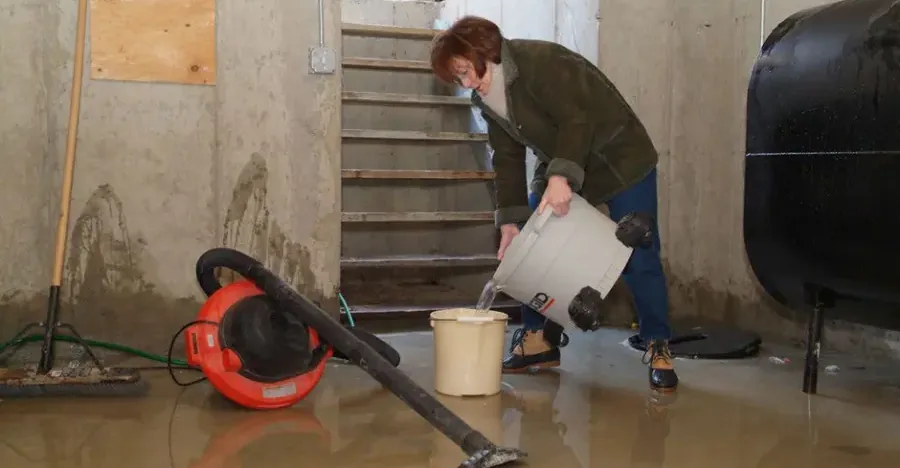 01Water ExtractionTruck-mounted pumps and wands pull standing water and soaked carpet moisture out first.
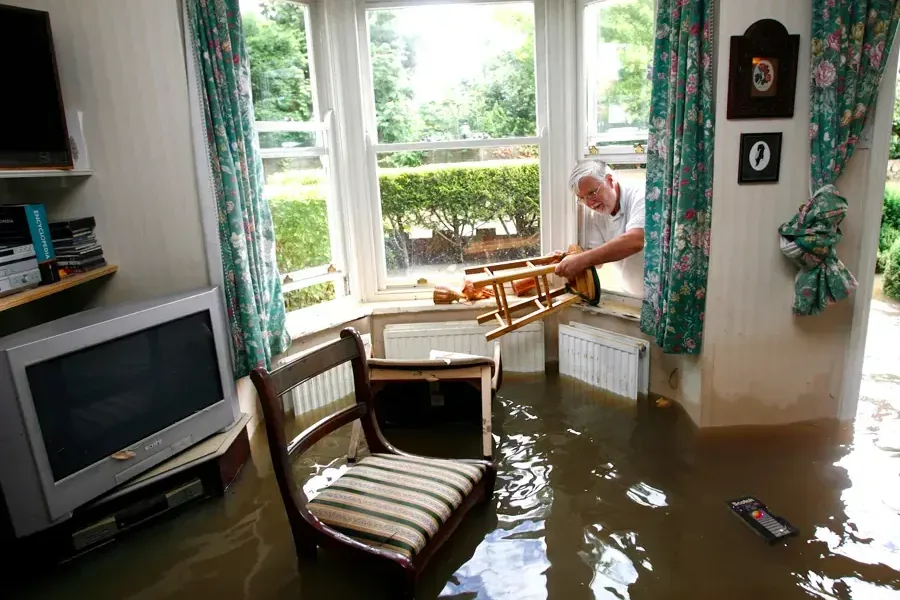 02Flood Water CleanupRising water from storms or heavy rain, removed and treated as contaminated.
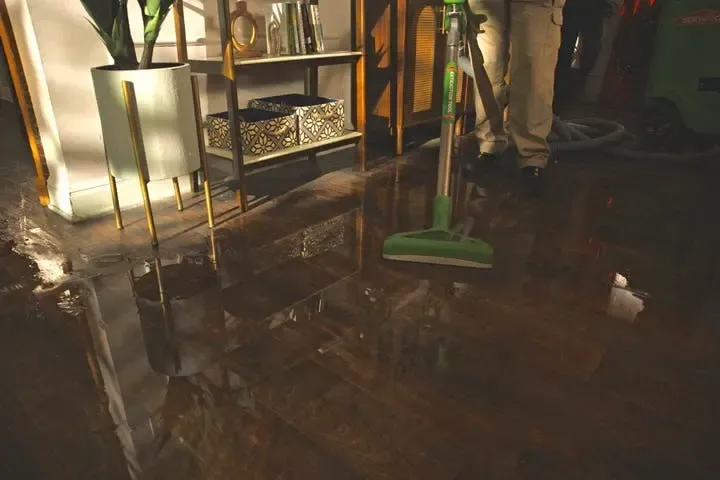 03Hurricane and Storm Water DamageWind-driven rain and hurricane water, dried from the roof deck to the floor.
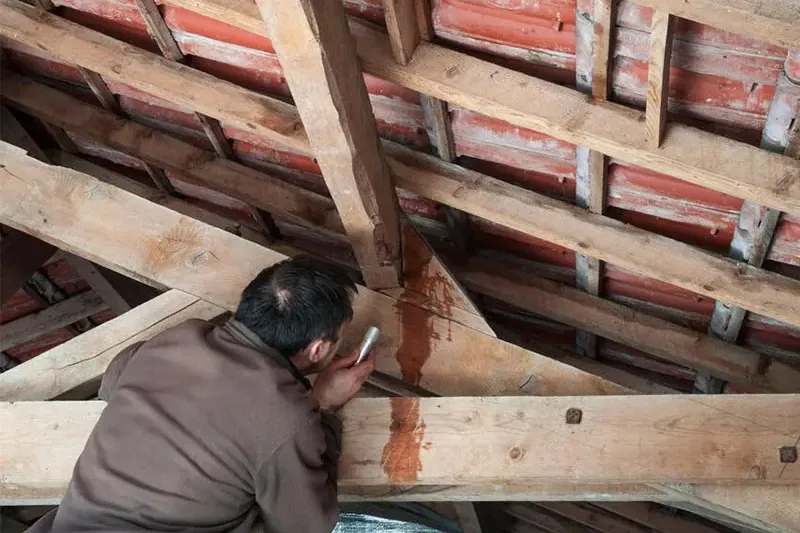 04Roof Leak Water DamageWet ceilings and attic insulation dried after a leak finds its way in.
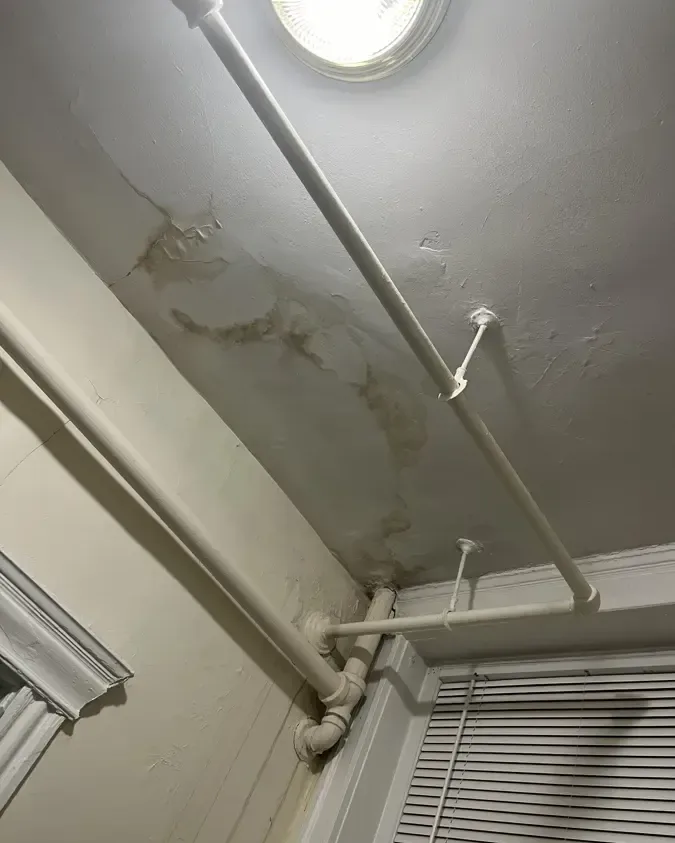
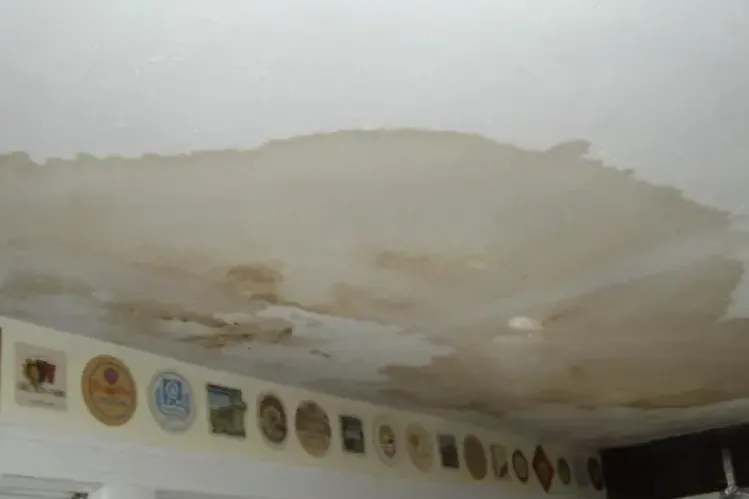 05Ceiling Leak Water DamageStained or sagging drywall opened, cavities dried, and the room below checked.
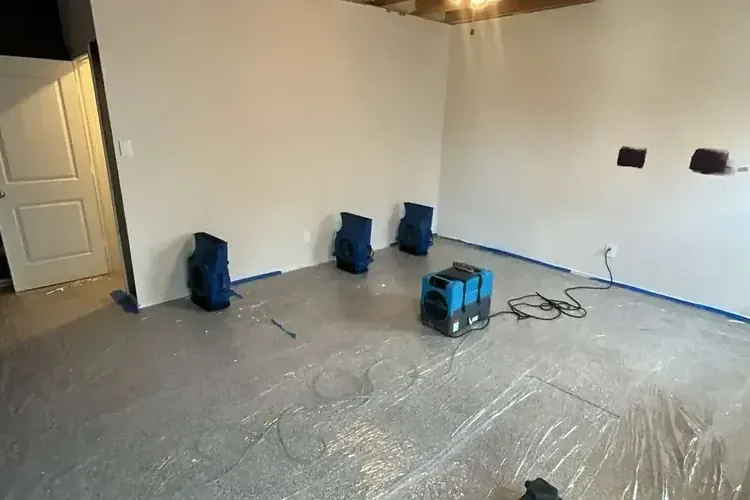 06AC Leak Water DamageOverflowing drain pans and clogged condensate drains, dried before the damage spreads.
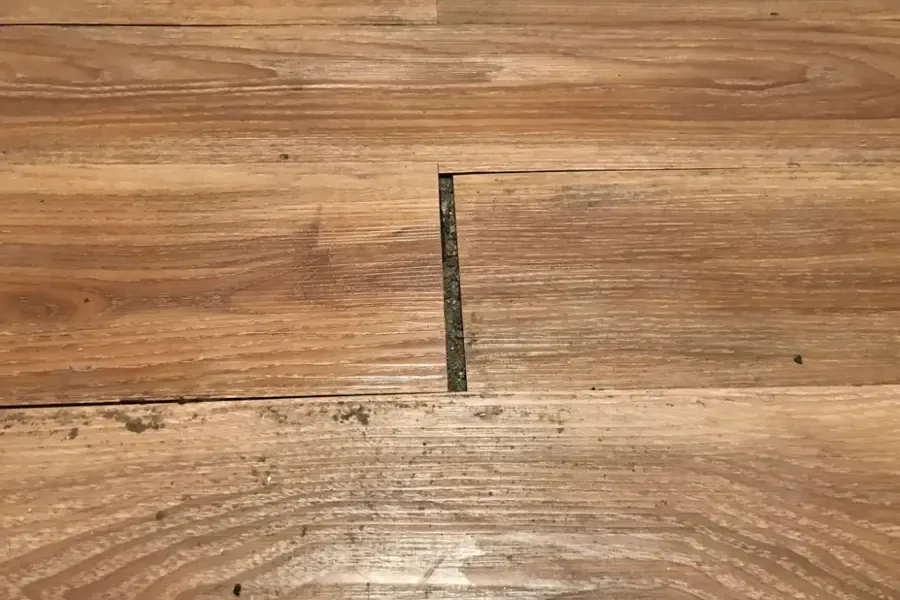 07Slab Leak Water DamageA leak under the floor: wet flooring lifted, wall bottoms dried, the source documented.
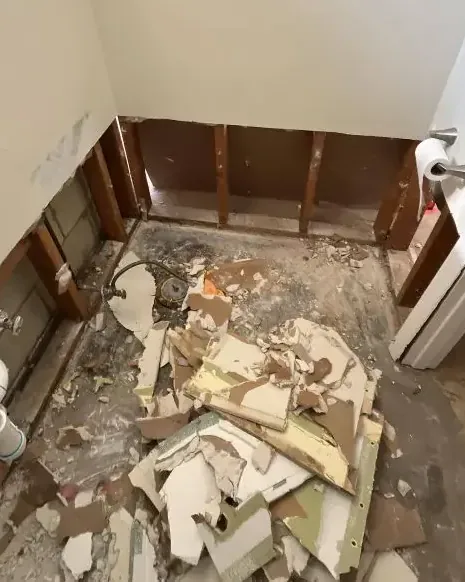
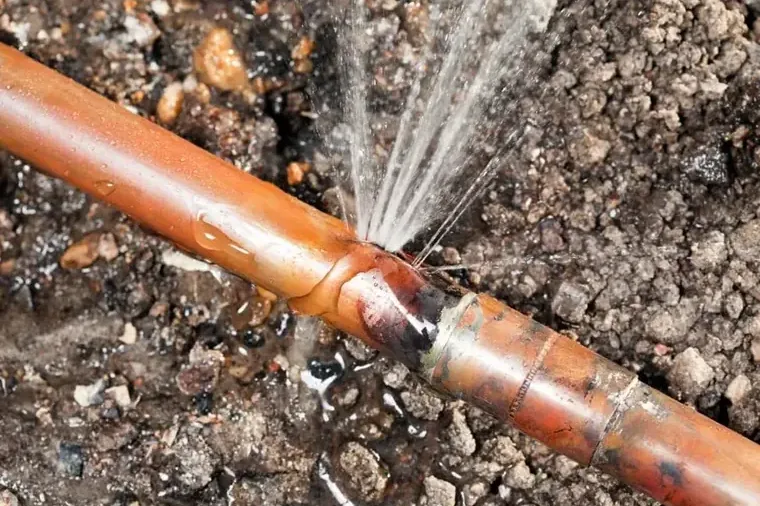 08Burst Pipe Water DamageA split pipe or failed fitting, with water extracted and wet walls dried out.
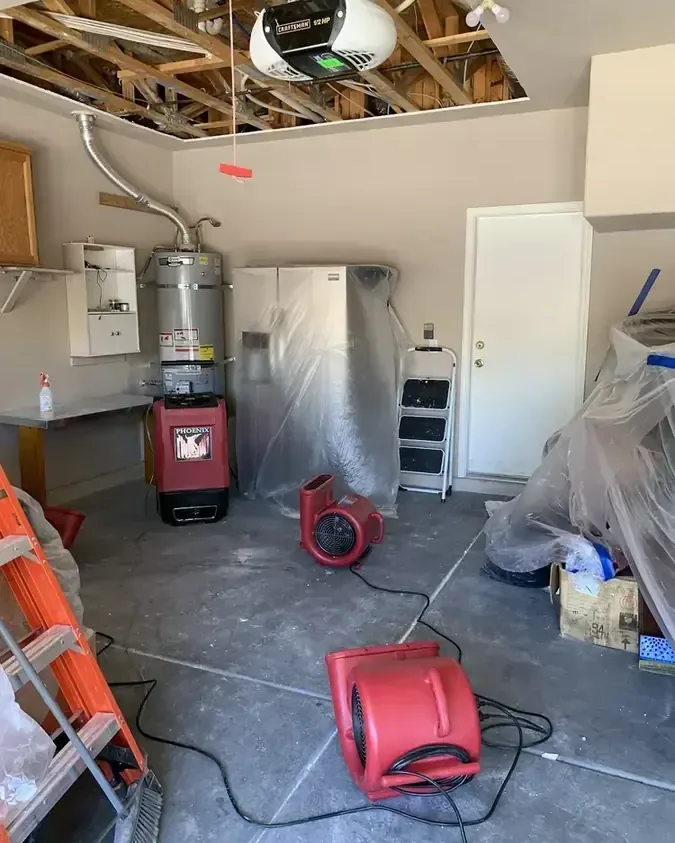
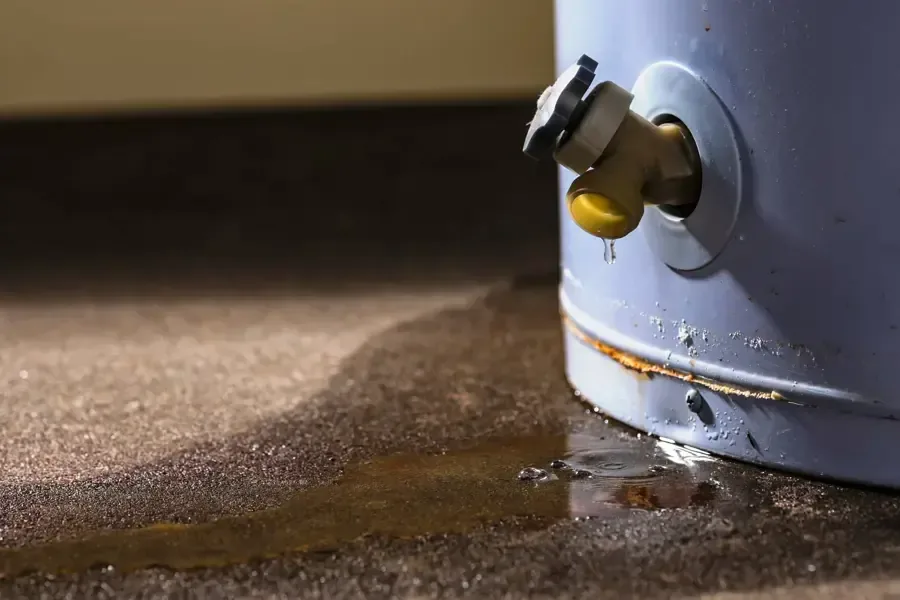 09Water Heater Leak CleanupA leaking tank in a closet, garage or attic, with wet materials dried.
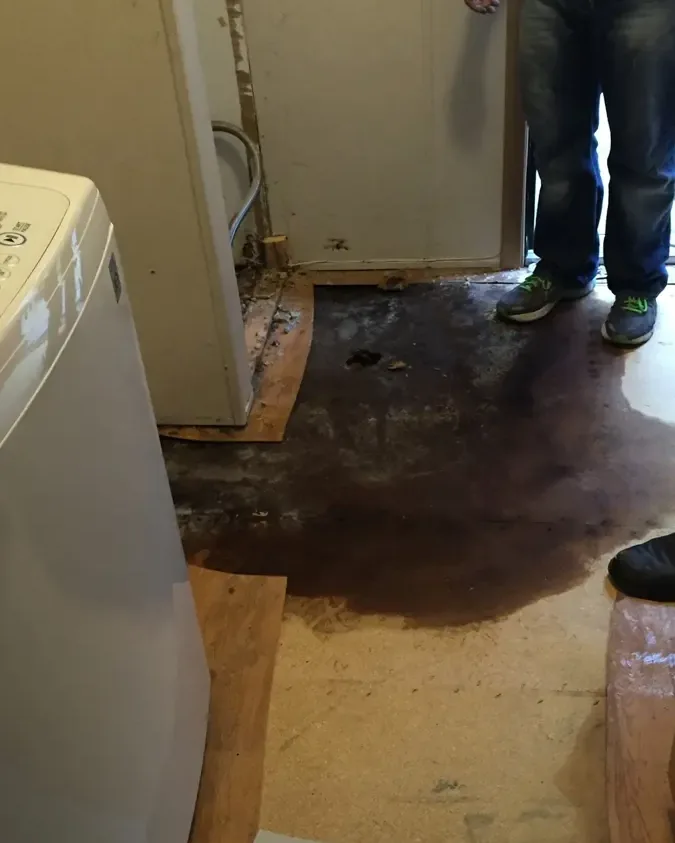
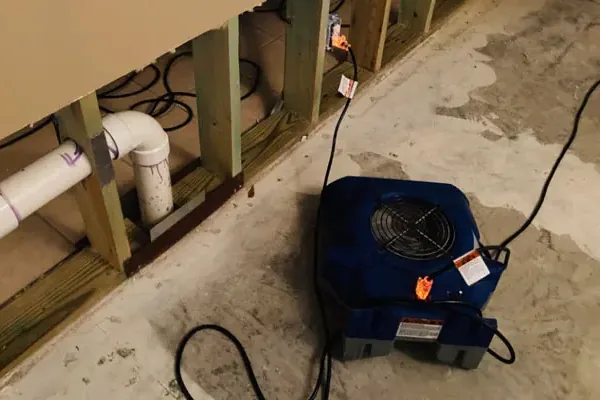 10Appliance Leak Water DamageWasher, dishwasher and refrigerator leaks traced under floors and cabinets, then dried.
 11Sewage Backup CleanupContaminated water contained, removed and the affected area disinfected and dried.
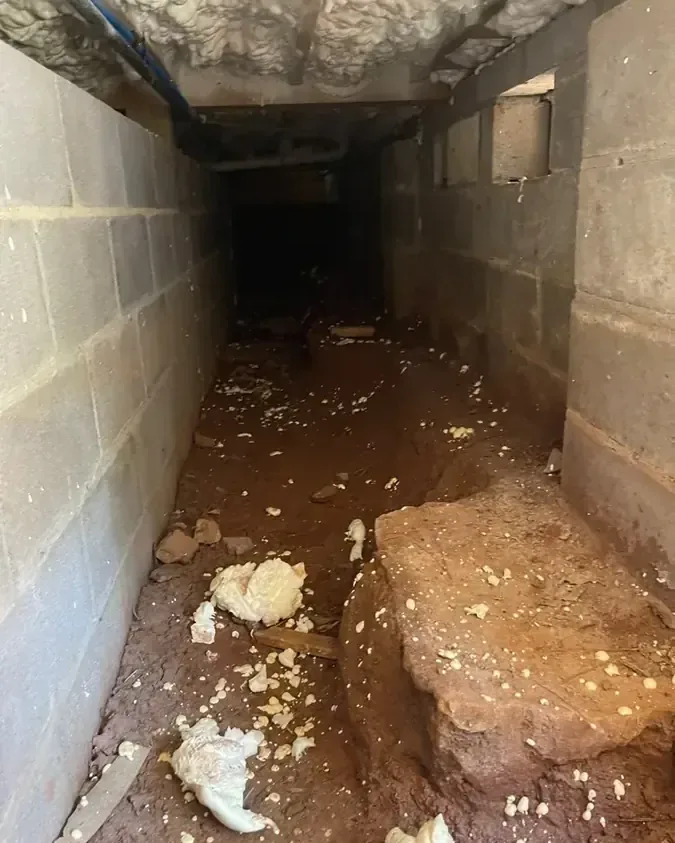
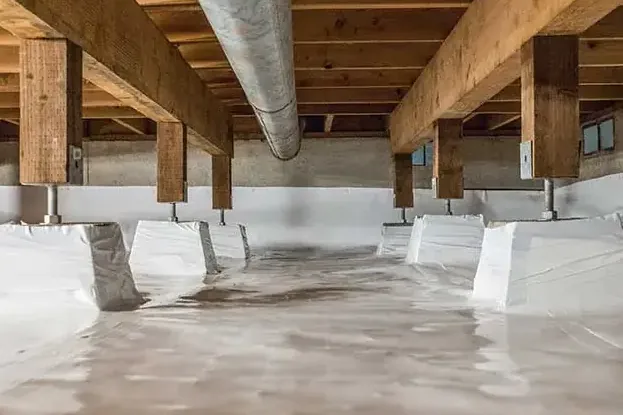 12Crawl Space Water RemovalStanding water pumped from beneath a house, with wet insulation and joists dried.
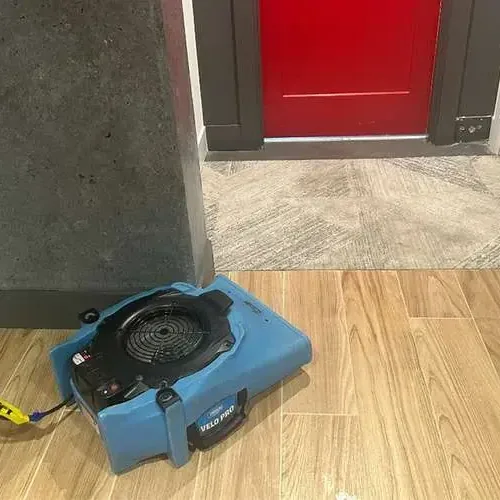
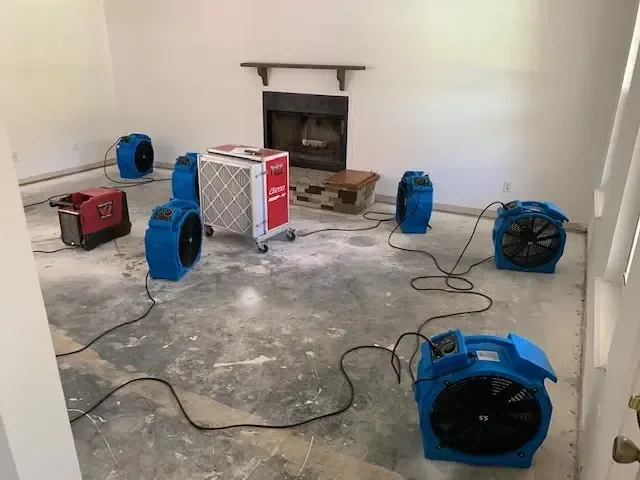 13Structural DryingAir movers, dehumidifiers and daily readings until walls, floors and framing read dry.
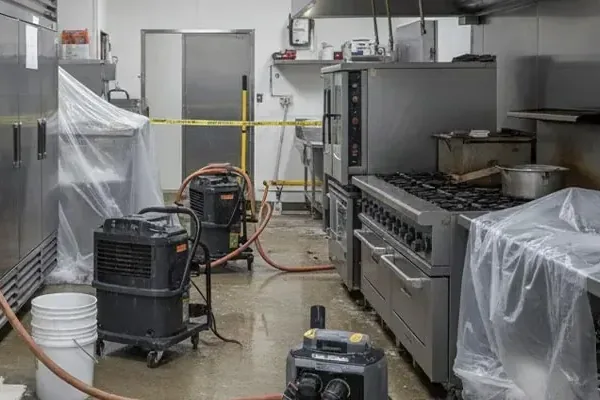 14Commercial Water DamageShops, offices and condominium common areas dried in phases to limit downtime.
How a job is handled
From the first phone call to dry framing: how each job runs
Every water loss moves through five stages, from a bathroom supply hose to a flooded first floor.
- 1
Emergency dispatch
A crew rolls out with pumps, meters and drying equipment once the loss is reported.
- 2
Moisture mapping
Meters and a thermal camera trace where water traveled behind walls and under floors.
- 3
Extraction
Truck-mounted units and submersible pumps pull standing water before anything gets dried.
- 4
IICRC S500 drying
LGR dehumidifiers and air movers are placed by class of water loss and adjusted with each reading.
- 5
Claim-ready documentation
Photos, moisture logs and equipment records are kept for the insurance adjuster.
The goal is dry framing The aim is a structure that reads dry on the meter, not one that only feels dry, so soaked materials come out early and the dryers keep running until the readings agree.
First steps
Steps to take as soon as water appears
A few quick moves limit how far water spreads and keep the paperwork clean, provided the situation is safe.
- Stop the source when it is safe: close the fixture shutoff or the main valve.
- Switch off power to wet rooms at the breaker, and stay out of standing water near outlets or appliances.
- Photograph the water, the damaged belongings and the affected walls before anything is moved.
- Lift small items, rugs and furniture legs off wet floors, and open cabinet doors so the spaces can start to air out.
- Avoid walking through sewage or flood water, skip the household vacuum, and leave tear-out to the crew, who will test what is salvageable.
Typical cost ranges
What water damage restoration costs in a typical home
Pricing follows how much area got wet, how long the water sat and whether it was clean, gray or contaminated, so a small clean-water job sits in the first range while bigger storm or sewage losses can climb into the top range.
One room, caught early
$1,000 to $3,000
- Standing water extracted
- Wet baseboards pulled
- Air movers and one dehumidifier
Several rooms affected
$3,000 to $7,500
- Wet flooring and pad out
- Wall cavities opened and dried
- Meter checks each visit
Storm, flood or sewage loss
$7,500 to $20,000+
- Containment and protective gear
- Category 3 material removal
- Extended structural drying
Final cost depends on moisture readings and the materials involved, and the scope is explained in writing before demolition begins. Insurance coverage is a separate question.
Gallery
Common water losses and the drying work that follows
How drying is measured
Drying judged by meters, not by how a room feels
Moisture content, temperature and humidity are recorded at each visit, so the drying plan changes with the numbers instead of a guess about what feels dry to the touch.
- Moisture content logged
- Truck-mounted water removal
- Dehumidifier output tracked
- Equipment removed at dry goal
When the readings match the dry standard for each material, the equipment comes out and the final numbers go into the job record for the adjuster.
Insurance
Documentation for an insurance claim
Adjusters want proof of the loss, so records are built as work happens.
- Dated photos of every wet area
- Moisture readings from each visit
- A written list of removed materials
- Equipment placement and run records
- A water category and class note
Coverage decisions belong to the insurance company, so the restoration team documents the damage and the drying and leaves policy questions to the homeowner and the adjuster. Mitigation can start before the claim is filed, which keeps secondary damage down.
Water categories
Clean, gray and contaminated water are handled differently
Category 1: clean water
A split supply pipe sends sanitary water into the house, and early drying keeps it from degrading. Burst pipe water damage
Category 2: gray water
Washer, dishwasher and refrigerator leaks carry some contamination and turn worse the longer wet materials sit. Appliance leak water damage
Category 3: black water
Sewage backups and flood water carry bacteria, so porous materials come out and the area is treated before drying. Sewage backup cleanup
Service area
Where the drying crew works across the city
Local crews work across the city's condominium communities and subdivisions and the streets near the Interstate 10 interchange at Exit 16, all in Hancock County.
Neighborhoods and corridors
- Lanai Village
- Molokai Village
- Lakeside Villa
- Highpoint
- Devil's Elbow
- Kapalama Cove
- Pelican Cove
- Fairway Estates
- Glen Eagle
- The Oaks
- Kahana Street
ZIP code
- 39525
Reach
Reach the drying crew for any water loss
Water in a house does not wait for business hours, so crews dispatch around the clock for burst pipes, storm water and sewage anywhere in Diamondhead, MS, then stay to dry the structure and document it for the claim.
Slidell Water Damage Restoration
Diamondhead, MS
Open every day, all hours
Local conditions
Low ground, open ditches and heavy rain shape local water damage
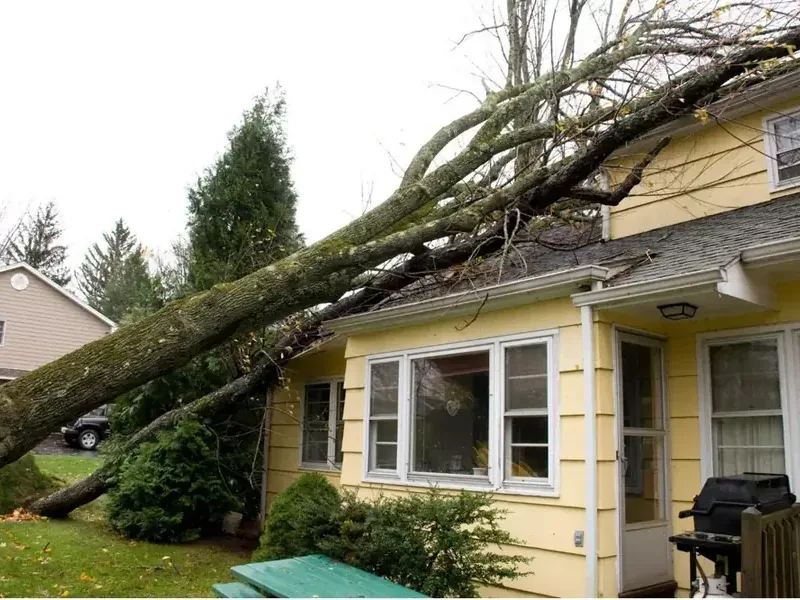
Diamondhead sits on the Bay of St. Louis, and the water that reaches homes comes from several directions: surge, rain, ditches and aging sewer pipe.
- A FEMA report describes the south side of the city as at sea level and prone to flooding.
- The water and sewer district says its watersheds drain by open ditches with little underground drainage, and discharge points are tidally influenced.
- Ahead of Hurricane Zeta on October 28, 2020, a mandatory evacuation covered the South Side and Jourdan River Drive, and in June 2021 Tropical Storm Claudette floodwater damaged several homes that had never flooded before.
- The district reports that much of its sewer system is cracked, leaking clay pipe about 40 years old, and that inflow and infiltration cause sewage overflows and costly cleanup.
- FEMA's Hancock County study puts rainfall near 62 inches a year, and a September 10, 2026 Flood Warning named the city and described minor flooding in low-lying and poor-drainage areas.
Questions
Questions from homeowners
What should be done first when a pipe bursts?
Close the main valve or the fixture shutoff, switch off power to wet rooms if it is safe, and photograph the damage. Then call a crew so extraction and drying can begin before materials start to break down. Burst pipe water damage covers the full routine.
How long does it take to dry a house?
Most clean-water jobs need three to four days of equipment time, while soaked hardwood, plaster, concrete and flood losses run longer. Meter readings decide when the dehumidifiers leave, and the drying time estimator gives a rough range.
Does flood water need special handling?
Yes. Flood water is Category 3 because it carries soil and bacteria, so carpet, pad and wet insulation are removed and the structure is treated before drying begins.
Can the crew work with an insurance adjuster?
Yes. Photos, moisture logs and a written list of removed materials are kept for the file, and mitigation can start before the claim is approved. Coverage decisions stay with the insurance company.
Is a sewage backup an emergency?
Yes. Sewage is Category 3 water and spreads bacteria across floors, walls and air, so the area is contained and cleaned before drying. Stay out of it and keep pets away.
What makes a ceiling stain appear after rain?
A roof leak, a plumbing leak above and an overflowing air conditioner pan can all leave the same brown ring. Moisture readings in the attic and the cavity separate them, and the source has to be stopped before drying starts.
Why does the crew pull baseboards and drill holes?
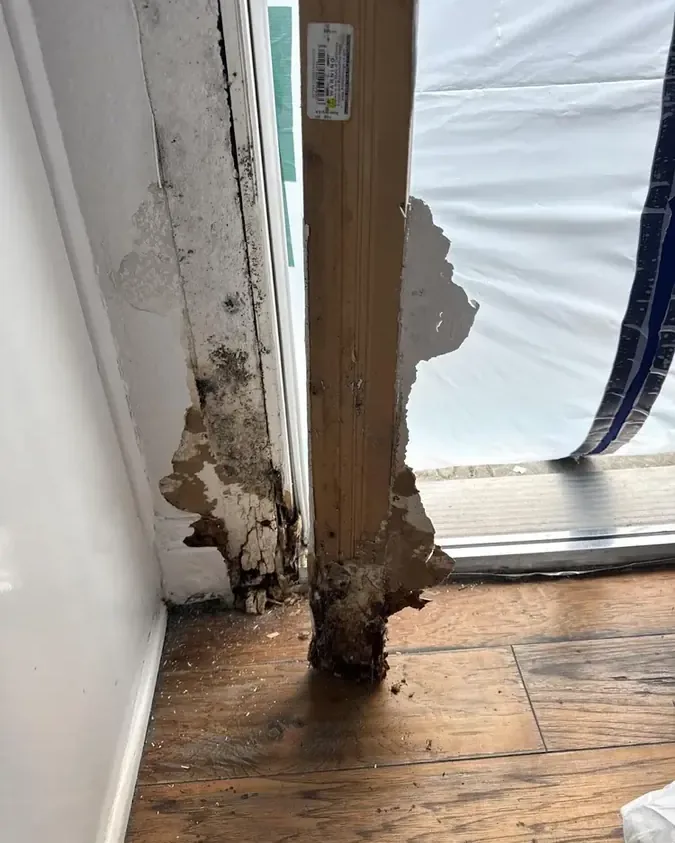
Water travels behind walls, and drying air has to reach the cavity. Pulling baseboards or drilling small access holes lets air movers push dry air into spaces that would hold moisture for weeks.
Does the rainy season matter here?
FEMA's Hancock County flood study puts rainfall near 62 inches a year, mostly from July through September, with 70 to 80 thunderstorm days, so roof leaks and wet ceilings are a general summer concern.
Which streets and communities does the crew cover?
Condominium communities such as Lanai Village, Molokai Village, Lakeside Villa and Highpoint, subdivisions like Fairway Estates, Glen Eagle and Pine Ridge Estates, and the streets around Exit 16 all fall in the service area.
Can mold follow water damage?
It can, because mold may start growing within 24 to 48 hours in wet materials. That is the reason extraction and drying are done quickly instead of waiting for the damage to show.
Water damage in the house?
Call a drying crew before the damage spreads further
Pumps, meters and dehumidifiers go to work on the wet structure, and the records are built as the drying progresses for the adjuster.