Standing water removal
Water Extraction in Diamondhead, MS
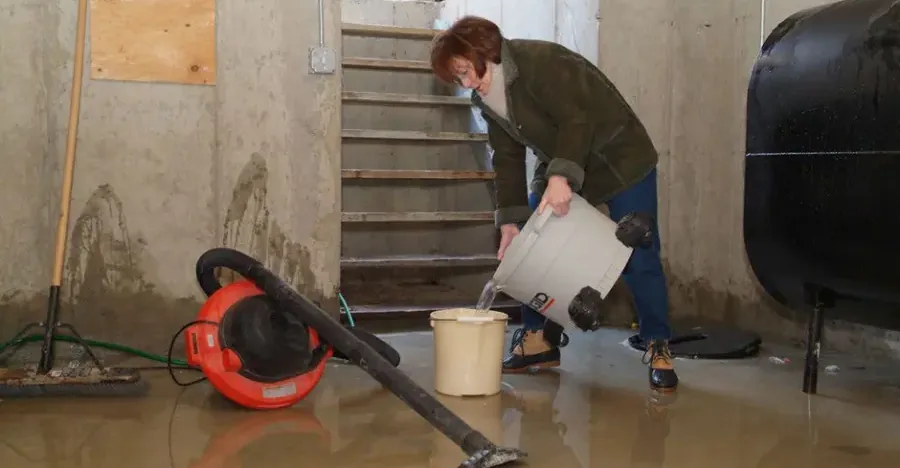
Truck-mounted extractors and submersible pumps pull standing water and the water held in carpet out first, because drying equipment works properly only after the bulk of the water is gone.
(888) 417-5665Call about standing water- Truck-mounted extraction
- Submersible pumps on site
- Moisture readings logged
Right now
First steps for water extraction
- Stop the inflow. Close the shutoff valve or main if water is still running, and cut power to wet rooms.
- Move what can move. Lift furniture legs, rugs and small items off the wet floor.
- Skip the household vacuum. A regular vacuum is unsafe on standing water, and on flood or sewage water it spreads contamination.
- Photograph the room. Take dated photos of the water depth and wet belongings before anything is moved.
The trade facts behind the work
- Truck-mounted units handle carpet and large areas while submersible pumps clear deeper standing water.
- Water category is checked before extraction starts, so contaminated water gets protective gear and containment.
- Readings taken after the pump-out show how far moisture spread past the visible edge.
Standing water in the house? Call the extraction crew (888) 417-5665
How the work runs
How water extraction is handled, step by step
- 1
Test the water
Category and depth decide the gear and the disposal path.
- 2
Extract
Wands, pumps and truck-mounted units remove the standing water.
- 3
Map the damp
Meters and a thermal camera trace moisture past the visible edge.
- 4
Start drying
Equipment goes in and daily readings begin on the wet materials.
Typical cost
What does water extraction cost in Diamondhead, LA?
Cost grows with the area wet and the type of water. A one or two room clean-water pump-out sits in the first range, a larger floor in the second, and flood or sewage water, which needs protective gear and removal of soaked materials, in the third.
One or two rooms
$400 to $1,500
- Pump and wand work
- Carpet and pad extracted
- Readings logged
Most of a floor
$1,500 to $4,000
- Truck-mounted extraction
- Soaked pad lifted
- Baseboards pulled
Flood or sewage water
$3,000 to $8,000+
- Protective gear and containment
- Wet drywall and pad removed
- Antimicrobial treatment
These are typical ranges, not a quote. The category of water, the square footage, the material class and how fast drying started move the number most. Try the water damage cost calculator for a planning figure.
When water stands on a floor, getting it out comes before everything else. Low ground raises the stakes in this city: a FEMA report describes the south side as at sea level and prone to flooding, and Tropical Storm Claudette damaged several homes in June 2021 that had never flooded before.
What extraction takes out
A truck-mounted unit pulls water from carpet and pad, and submersible pumps clear inches of standing water from tile, laminate and concrete. Taking it out early shortens the drying job and keeps moisture from wicking into baseboards and the bottom of the drywall.
- Standing water on tile, vinyl and concrete
- Water held in carpet and cushion
- Pooled water behind door thresholds
When the water is not clean
Flood water and sewage are treated as contaminated, and that changes the job. The crew wears protective gear, removes carpet and pad that cannot be cleaned, and applies antimicrobial treatment before anything is dried. Flood water cleanup follows that path from the first pump-out.
- Contaminated pad goes out instead of being dried
- Treatment comes after removal, not before
After the pump-out
Once the pooled water is gone, moisture meters and a thermal camera show what the surface hides: wet baseboards, damp drywall bottoms and soaked subfloor. That map decides where structural drying equipment goes, and daily readings decide when it leaves. A September 10, 2026 Flood Warning named the city and described minor flooding in low-lying and poor-drainage areas, which is the setting for much of this work.
Getting a rough number
The water damage cost calculator sorts a loss by area and water type, and the written scope that follows rests on meter readings, not guesses.
Service area
Water Extraction across Diamondhead and nearby
The crew works across the city's condominium communities and subdivisions, from Lanai Village and Molokai Village to Fairway Estates and Pine Ridge Estates, and along Kahana Street and Koloa Street in ZIP code 39525.
The same service nearby: water extraction in Slidell, Waveland, Picayune.
See every town coveredRelated
Related water damage services
Questions
Water Extraction questions, answered
How much water can the equipment remove?
Submersible pumps clear anything from a shallow film to several inches, and truck-mounted units pull water from carpet and pad. Depth matters less than the water type, which sets the protective gear and the disposal.
Is extraction the same as drying?
No. Extraction removes liquid water. Drying removes the moisture left inside materials, using air movers and dehumidifiers, and it follows right after the pump-out.
Can carpet be saved after standing water?
Clean-water carpet is often extracted and dried in place, especially when the pad is lifted. Carpet and pad that sat in flood water or sewage are removed, because contamination cannot be cleaned out of them reliably.
Does a flood warning mean water will get in?
No. It is a reason to watch low rooms and garages, not proof of damage. The September 10, 2026 warning for the area described minor flooding in low-lying and poor-drainage spots.
What should be avoided before the crew starts?
Walking through standing water near outlets, running a household vacuum on it, and moving soaked drywall or carpet. Photos of the water first protect the insurance claim.
24/7 water damage dispatch
Get the water out before it soaks the framing
Pumps and truck-mounted units clear the standing water, then meters show where moisture traveled so drying starts in the right places.