Water under raised homes
Crawl Space Water Removal in Slidell, LA
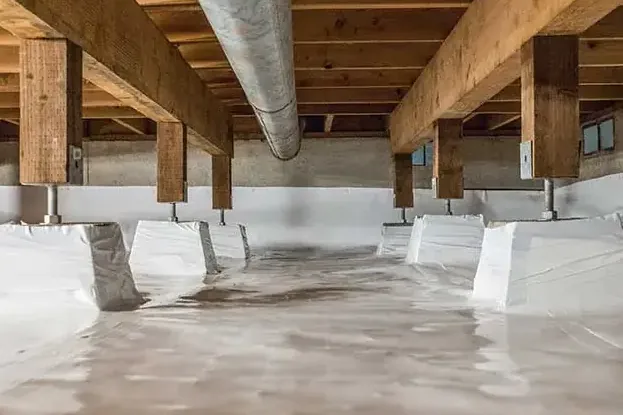
Raised homes keep flood water off the living floor, but the crawl space below still takes water. The extraction crew pumps it out and pulls wet insulation, and the drying team dries the joists and subfloor before damp air rises into the house.
(888) 417-5665Water under the house? Call now- Crawl space pump-out
- Wet insulation removal
- Joist and subfloor readings
Right now
First steps for crawl space water removal
- Stay out at first. Do not crawl under the house if wiring or ductwork sits in the water.
- Shut off a leaking pipe. If the source is plumbing, close the main.
- Check the floor above. Note soft spots, cupping or musty smells inside.
- Photograph it. Record the water under the house from the access opening.
The trade facts behind the work
- Flood water under the house is Category 3.
- Soaked crawl space insulation is removed, not dried.
- Readings on joists and subfloor confirm dry, not the look of the soil.
Water standing under the house? Call (888) 417-5665
How the work runs
How crawl space water removal is handled, step by step
- 1
Pump out
Standing water removed from the crawl space.
- 2
Remove
Wet insulation and flooded vapor barrier come out.
- 3
Dry
Air movers and a dehumidifier under the house.
- 4
Verify
Readings on joists and subfloor until dry.
Typical cost
What does crawl space water removal cost in Slidell, LA?
In Slidell, LA, crawl space water removal typically runs $1,500 to $8,000, depending on how much water is under the house, how much insulation and vapor barrier comes out and whether the subfloor needs drying. New insulation is a separate cost.
Shallow water, small area
$1,500 to $3,000
- Pump-out
- Wet insulation pulled
- Dehumidifier under the house
Whole crawl space
$3,000 to $5,500
- Vapor barrier removed
- Joists and subfloor dried
- Daily readings
Flood water or long-standing
$5,500 to $10,000+
- Category 3 cleaning and treatment
- Floor above dried too
- Extended drying
These are typical ranges, not a quote. The category of water, the square footage, the material class and how fast drying started move the number most. Try the water damage cost calculator for a planning figure.
Older cottages in Olde Towne and many homes elevated in the years after Hurricane Katrina sit on piers or raised foundations. That height keeps the living floor dry in most floods, but water still pools underneath from rain, rising bayous and leaking pipes. A wet crawl space feeds moisture into the subfloor and the air of the house for weeks.
What a wet crawl space does to a house
Water under the floor evaporates into the crawl space air, and that damp air rises through the subfloor. Fiberglass insulation between the joists soaks up water and sags. Wood joists and subfloor absorb moisture and can cup the hardwood above. Left alone in humid weather, the space stays wet for weeks.
- Sagging or fallen insulation between the joists
- Cupped wood floors or a musty smell inside
- Standing water on the vapor barrier or the soil
Pumping out and drying under the house
The extraction crew pumps standing water off the vapor barrier or the soil. Soaked insulation and torn or flooded vapor barrier come out. The drying team then runs air movers and a dehumidifier in the crawl space, closing vents if needed so the equipment is not fighting outside air, and takes readings on joists and subfloor until they reach the goal.
- Standing water pumped out
- Wet insulation and damaged vapor barrier removed
- Joists and subfloor dried, with readings
Flood water under the house
Water that came in from outside is Category 3, so wet insulation is discarded and surfaces are cleaned and treated before drying. FloodSmart.gov explains how flood policies treat areas below the lowest floor, and Ready.gov flood safety advice covers safe entry after a flood.
Service area
Crawl Space Water Removal across Slidell and nearby
The extraction crew and the drying team cover ZIP codes 70458, 70459, 70460 and 70469, from Olde Towne and the Gause Boulevard corridor to Cross Gates, Kingspoint and the lakefront canals of Eden Isles and Oak Harbor.
Nearby coverage reaches Pearl River, Lacombe, Mandeville, Covington, Picayune, Waveland and Diamondhead.
See every area and ZIP coveredRelated
Related water damage services
Questions
Crawl Space Water Removal questions, answered
Why is there water under my raised house?
Heavy rain, a rising bayou, poor grading or a leaking pipe can all put water under a raised floor. The tech finds the source before drying starts.
Does wet crawl space insulation have to be replaced?
Yes, if it soaked. Wet fiberglass sags, holds water against the joists and stops insulating.
Can water under the house damage the floors?
Yes. Moisture rises into the subfloor and can cup hardwood and loosen tile above. Drying the crawl space protects the floors.
How long does a crawl space take to dry?
Usually three to seven days with equipment running, longer after flood water or in very humid weather.
Is crawl space water covered by insurance?
A sudden pipe leak is often covered after the deductible. Flood water under a house falls under flood coverage, which limits what it pays below the lowest floor. Coverage depends on your policy, so check with your own insurer.
Should crawl space vents stay open to dry it out?
Not during drying in humid weather. Outside air carries moisture in, so the drying team often closes vents while the dehumidifier works.
24/7 water damage dispatch
Water under a raised floor? Dry it before the floor cups.
The extraction crew pumps out the crawl space and the drying team dries the joists and subfloor to a reading.