Contaminated water cleanup
Flood Water Cleanup in Diamondhead, MS
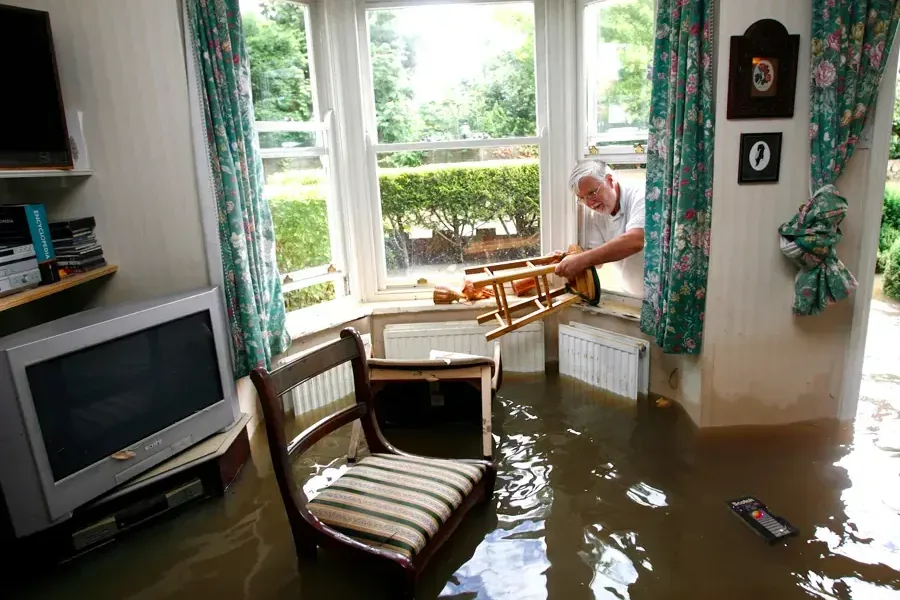
Flood water is not clean water, so the work starts with protective gear, removal of soaked flooring and insulation, and treatment of the whole structure before any drying equipment is set up in the affected rooms.
(888) 417-5665Call about flood water in the house- Category 3 water protocol
- Flood cuts and insulation out
- Antimicrobial treatment
Right now
First steps for flood water cleanup
- Stay out of it. Keep children, pets and bare feet away from the water until it is tested and removed.
- Cut the power. Switch off breakers to flooded rooms and never use electronics standing in the water.
- Save the paperwork. Photograph the high-water mark and damaged belongings before cleanup begins.
- Hold the demolition. Leave soaked carpet and drywall for the crew, which tests, documents and removes them safely.
The trade facts behind the work
- Flood water is cleaned as Category 3 with gear and containment.
- Soaked pad, insulation and low drywall are cut out, not dried.
- Photos and logs build the adjuster's file.
Flood water in the house? Call the cleanup crew (888) 417-5665
How the work runs
How flood water cleanup is handled, step by step
- 1
Test and contain
Category 3 water is confirmed and the work area is sealed off.
- 2
Remove and cut
Wet pad, carpet, insulation and low drywall come out in bags.
- 3
Clean and treat
Surfaces are cleaned and antimicrobial products applied.
- 4
Dry and verify
Dehumidifiers run until readings meet the dry standard.
Typical cost
What does flood water cleanup cost in Diamondhead, LA?
Flood cleanup costs more than clean-water drying because contaminated materials must come out and the structure must be treated. A few inches in one area falls in the first range, several rooms in the second, and a whole floor or deep water in the third.
A few inches, one area
$4,000 to $9,000
- Water and silt removed
- Flood cuts and wet insulation out
- Antimicrobial and drying
Several rooms
$9,000 to $18,000
- Flooring and pad removed
- Soaked cabinets pulled
- Containment and air scrubbers
Whole floor or deep water
$18,000 to $40,000+
- Full-height flood cuts
- Contents moved out
- Extended structural drying
These are typical ranges, not a quote. The category of water, the square footage, the material class and how fast drying started move the number most. Try the water damage cost calculator for a planning figure.
Floodwater has crossed soil, yards and drains before it reaches a floor, so it is handled as contaminated from the start. Hurricane Katrina struck on August 29, 2005, FEMA estimates a 24 to 28 foot surge along the Mississippi coast, and a FEMA report quotes a resident saying virtually all of the south side's homes, marina and airport are gone.
What comes out and what stays
Porous materials that sat in flood water, such as carpet, pad, insulation and lower drywall, are cut out and bagged, because contamination cannot be washed from them. Hard surfaces and framing are cleaned, treated and dried in place.
- Flood cuts made above the highest wet mark
- Insulation in wet cavities removed
- Cabinet bases and trim pulled when soaked
Evacuations and recent flooding
Ahead of Hurricane Zeta on October 28, 2020, low-lying areas including the South Side and Jourdan River Drive were under a mandatory evacuation, and in June 2021 Tropical Storm Claudette floodwater damaged several homes that had never flooded before.
- Rooms that never flooded before can still take water
- Garages and low rooms are checked first
Cleaning and drying order
After removal, surfaces are cleaned and treated with antimicrobial products, then structural drying begins with air movers and LGR dehumidifiers. Readings continue until framing and subfloor meet the dry standard, which can take longer than a clean-water job because more of the structure got wet. Water extraction is the first step on any flooded floor.
Records for the claim
Dated photos, a written list of removed materials and daily moisture logs go into one file. The water category check shows why flood water sits in the highest category, and the insurance company, not the restoration team, decides what is covered.
Service area
Flood Water Cleanup across Diamondhead and nearby
Flood cleanup covers the whole city, with the South Side and Jourdan River Drive among the low-lying areas named in the 2020 Hurricane Zeta evacuation, and subdivisions such as Devil's Elbow, Kapalama Cove and Pelican Cove.
The same service nearby: flood water cleanup in Slidell, Waveland, Picayune.
See every town coveredRelated
Related water damage services
Questions
Flood Water Cleanup questions, answered
Why is flood water treated as contaminated?
It travels over yards, ditches and drains and picks up soil, bacteria and chemicals, so even a clear-looking flood is Category 3 and porous materials that soaked in it are removed rather than dried.
How high does the flood cut go?
Drywall is cut above the highest point the water or wicking reached, then the insulation behind it is checked. The cut reaches dry, clean material, so it can sit higher than the water did.
Can a home that never flooded still take water?
Yes. Tropical Storm Claudette floodwater damaged several homes in June 2021 that had never flooded before, so a dry history is not a reliable predictor of the next storm.
Is mold a risk after flood water?
Mold can start within 24 to 48 hours in a wet building, which is why removal and drying are done quickly, even before repairs are planned.
What documents help with an insurance claim?
Dated photos, a list of removed materials, the water category and the daily moisture logs. Coverage decisions stay with the insurance company.
How long do cleanup and drying take?
Removal and cleaning usually take a day or two of labor, while drying runs several days with readings taken daily, longer if hardwood or plaster got wet. The meter, not the calendar, sets the end.
24/7 water damage dispatch
Treat the water as contaminated from the start
Protective gear, removal of soaked materials and antimicrobial treatment come first, then drying equipment goes in with readings kept for the claim.