Category 3 water cleanup
Sewage Backup Cleanup in Mandeville, LA
The City of Mandeville runs its own sewer system and most neighborhoods rely on open ditches for drainage, so heavy rain can overload both. The cleanup crew contains the area, removes what the sewage touched and treats the rest.
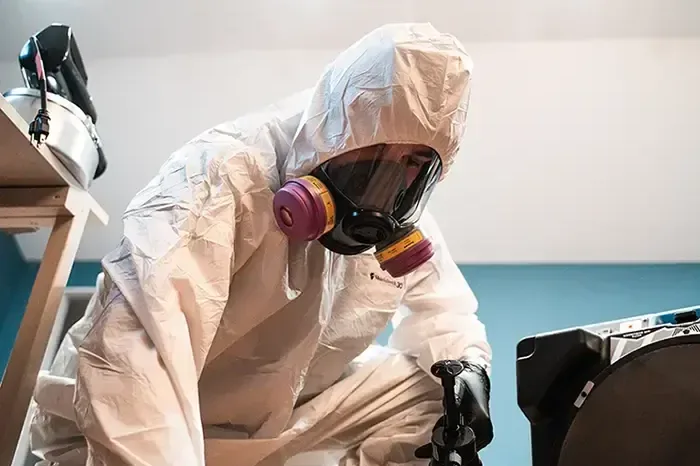
(888) 417-5665Call for sewage cleanup- Containment and protective gear
- Porous materials removed
- Antimicrobial treatment
Right now
First steps for sewage backup cleanup
- Stay out. Keep family and pets away from the affected rooms.
- Stop using drains. Do not flush, run the washer or use sinks until the backup is cleared.
- Call the plumber. A plumber clears the blockage, while the cleanup crew handles what the water reached.
- Take photos. Photograph the affected area from a distance, without touching anything.
The trade facts behind the work
- Sewage work follows category three rules, from suits and respirators to sealed disposal.
- HEPA scrubbers run during removal and cleaning.
- Every removed material and every reading goes into the job file.
Sewage in the house? Keep out and call the cleanup crew. (888) 417-5665
How the work runs
How sewage backup cleanup is handled, step by step
- 1
Contain
Plastic sheeting seals the area and air scrubbers start.
- 2
Remove
Sewage-soaked carpet, pad and lower drywall are bagged and carried out.
- 3
Clean and treat
Hard surfaces and framing are washed and treated with an antimicrobial.
- 4
Dry and clear
Equipment runs until readings reach target and the area is rechecked.
Typical cost
What does sewage backup cleanup cost in Mandeville, LA?
Sewage jobs cost more than clean leaks because of protective gear, containment and disposal. One bathroom stays at the low end, several rooms land in the middle, and a large or long-standing backup with opened walls reaches the top.
One bathroom
$2,500 to $4,500
- Containment and PPE
- Flooring and lower drywall out
- Antimicrobial and drying
Several rooms
$4,500 to $9,000
- Carpet and pad removed
- HEPA air scrubbers
- Daily readings
Large or long-standing
$9,000 to $18,000+
- Cabinets and walls opened
- Contents removed
- Extended drying
These are typical ranges, not a quote. The category of water, the square footage, the material class and how fast drying started move the number most. Try the water damage cost calculator for a planning figure.
Sewage is never a do-it-yourself cleanup. It carries bacteria and viruses, and anything porous it touched, from carpet to drywall, cannot be made safe again by washing.
Rain, ditches and the sewer
Heavy rain can overload both the ditches and the sewer, and a backup may show up at the lowest drain in the house. Sewer problems for customers of the city system go to the city's Public Works department, while the cleanup inside the house is a separate job.
What is removed and what stays
- Carpet, pad and lower drywall that touched sewage are removed
- Hard surfaces are cleaned and treated with an antimicrobial
- Contents are sorted into washable, cleanable or discarded
HEPA air scrubbers run during the work, and dehumidifiers dry the area afterward so the cavity does not stay damp.
Keeping people safe
Children, pets and anyone with a weak immune system should stay out until the area is cleaned and cleared. The same category three process applies after floods, which falls under flood water cleanup, and wet surfaces are dried as in structural drying.
Why speed matters
Bacteria multiply in warm, wet materials, and humid north shore weather speeds that up. Porous materials such as carpet pad, upholstered furniture and drywall absorb contaminated water, so removal comes before drying or deodorizing.
The crew bags and seals what it removes, carries it out without dragging it through clean rooms, and records what was taken so the claim lists every item.
A lingering odor usually means contamination is still in a cavity or under flooring, so the crew keeps checking until the smell is gone and the readings are at target. In a large area an air scrubber keeps running through the drying so airborne particles are captured.
Service area
Sewage Backup Cleanup across Mandeville and nearby
Sewage backup calls come from bathrooms and floor drains in homes from the lakefront district to Old Golden Shores, New Golden Shores, Greenleaves, Golden Glen and Tanglewood, and from restrooms and kitchens along Highway 190 and Causeway Boulevard.
The same service nearby: sewage backup cleanup in Slidell, Covington, Picayune.
See every town coveredRelated
Related water damage services
Questions
Sewage Backup Cleanup questions, answered
Is sewage backup dangerous?
Yes. Sewage carries bacteria and viruses, so the area should be avoided and cleaned with protective gear, containment and antimicrobial treatment.
Why did the sewage back up after heavy rain?
Heavy rain can overload both the open ditches and the sewer, pushing water back toward the lowest drain in a house.
Who should be called about a sewer problem?
Customers of the city system can report sewer problems to the city's Public Works department. A plumber clears the pipe, and the restoration team handles the cleanup inside the house.
Can carpet be cleaned after sewage?
Not safely. Carpet and pad that sewage touched are removed, because they absorb bacteria that washing cannot reach.
Can I clean up a small backup myself?
It is not recommended. Even a small backup contains bacteria, and the hidden damage in baseboards and drywall needs proper removal and drying.
Does insurance cover a sewage backup?
Often only with a water backup endorsement, so the carrier should be asked early. Photos and a list of removed materials support the claim.
24/7 water damage dispatch
Contain the backup and clean it right
Sewage needs containment, protective gear and proper disposal, and the cleanup crew treats every surface it touched before drying the area.