Leaks beneath the concrete
Slab Leak Water Damage in Picayune, MS
When a pipe under a concrete floor leaks, water climbs into flooring, pad and the bottom of the drywall before anyone sees a puddle. The mitigation team finds its edges, lifts only what is wet and dries the concrete.
(888) 417-5665Floor damp or warm? Get it checked- Readings across the slab
- Desiccant and LGR units
- Pre-demolition photos
Right now
First steps for slab leak water damage
- Read the meter. Turn every fixture off and watch the meter; any movement points to a leak.
- Close the main. Shut the main valve if the meter keeps turning.
- Mind the water heater. If the floor feels warm, close the water heater supply as well.
- Photograph the floor. Capture damp carpet, warm spots and lifted planks before anything is pulled up.
The trade facts behind the work
- Wet concrete is often a Class 4 job that calls for desiccant or LGR dehumidifiers.
- Readings decide which flooring comes up, so dry areas stay in place.
- Water from a cracked drain under the slab is Category 3, not clean water.
Floor damp with no visible leak? Call (888) 417-5665
How the work runs
How slab leak water damage is handled, step by step
- 1
Map the floor
Readings in every room show how far the water spread.
- 2
Open up
Wet flooring, pad and baseboards come out, and nothing more.
- 3
Dry the slab
Desiccant or LGR dehumidifiers run inside containment.
- 4
Confirm dry
Daily readings until the concrete matches a dry reference.
Typical cost
What does slab leak water damage cost in Picayune, LA?
Slab leak water damage cleanup here typically runs $2,500 to $15,000. Where a job lands depends on how many rooms the water reached, the type of flooring, how long the leak ran and whether desiccant drying is needed. The plumbing repair is billed separately.
One room, caught early
$2,500 to $5,000
- Flooring lifted in a single room
- Baseboards off
- LGR dehumidifier and air movers
A kitchen or several rooms
$5,000 to $10,000
- Cabinet toe kicks removed
- Wall bottoms dried
- Containment set up
A leak that ran for weeks
$10,000 to $15,000+
- Flooring out across rooms
- Desiccant drying on concrete
- Extended monitoring
These are typical ranges, not a quote. The category of water, the square footage, the material class and how fast drying started move the number most. Try the water damage cost calculator for a planning figure.
A slab leak is a break in a water pipe that runs through or under a concrete floor. Clean supply water from a pressure leak pushes up into flooring and wicks into the bottom of the drywall, while a cracked drain seeps dirtier water more slowly. Both spread out of sight.
Clues before the water shows
The water meter gives the earliest warning. With every fixture off, a meter that keeps turning means water is escaping. The city runs its own gas and water department, so a water bill that jumps for no clear reason is worth a meter check, and the city is installing new advanced water meters, starting with the Woods Subdivision.
- A meter that turns with everything shut off
- A warm patch on tile or bare concrete
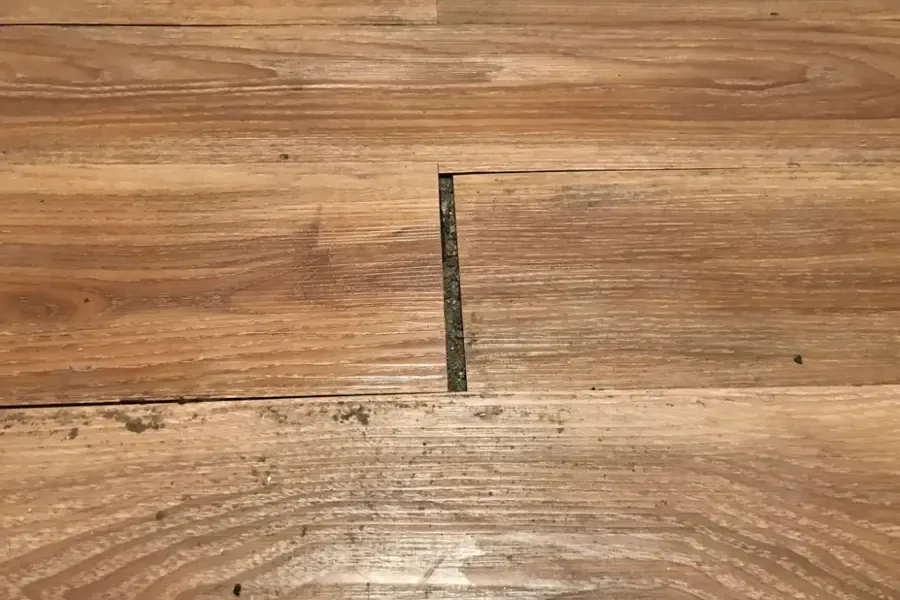
- Carpet that stays damp, or planks that cup and separate
Leak repair comes first
A plumber repairs the leak by opening the slab, tunneling under it or rerouting the pipe. Drying cannot finish while water still flows. After the repair, the drying team maps the whole floor rather than only the wet spot, pulls baseboards and lifts flooring and pad only where readings stay high.
- Readings taken across every connected room
- Toe kicks removed where water reached the cabinets
Drying concrete takes patience
Concrete releases water slowly, and a slab that stayed wet for weeks usually counts as a Class 4 drying job. Desiccant or LGR dehumidifiers run under containment, with air movers aimed at the exposed concrete and wall bottoms. The job ends on readings that match a dry reference. FEMA describes Pearl River County as Gulf Coastal Plain with sandy and clay soils and a mild, humid climate, so the house stays closed while the dehumidifiers work.
When the leak is in a drain
A crack in a drain pipe under the slab is a different job. That water is Category 3, so porous materials it soaked are removed, surfaces are cleaned and an EPA-registered antimicrobial goes on before drying starts. Sewage backup cleanup follows the same protocol, and structural drying explains the drying phase. A meter check confirms a hidden leak fastest.
Service area
Slab Leak Water Damage across Picayune and nearby
Slab leak drying covers ZIP code 39466, from the historic downtown on Goodyear Boulevard and Highland Parkway to the Woods Subdivision, the Simmons Subdivision, the Ridge Crest Subdivision, the Westchester Subdivision and the Beech Street area.
The same service nearby: slab leak water damage in Slidell, Diamondhead, Waveland.
See every town coveredRelated
Related water damage services
Questions
Slab Leak Water Damage questions, answered
How long does concrete take to dry after a slab leak?
Most slabs need four to ten days. Concrete gives water up slowly, so a leak that ran for weeks needs more time than one caught within a day or two.
Will every floor in the house come up?
No. Carpet and pad over the wet area usually come up, and tile can stay if readings under it fall. Laminate seldom survives water rising from below.
Can the family stay home while the slab dries?
In most cases, yes. Plastic containment closes off the wet area and the equipment runs day and night behind it.
Why does one patch of floor feel warm?
A leak in a hot water pipe heats the concrete around it. A warm patch together with a turning meter points strongly to a slab leak.
Does insurance pay for slab leak damage?
Water damage from a sudden leak is often covered after the deductible, while the pipe repair and slow leaks may not be. Policies differ, so check the details with your own insurer.
Who finds a leak under the slab?
A plumber with leak detection equipment. The drying team steps in once the pipe has been fixed or rerouted.
24/7 water damage dispatch
Turning meter and a damp floor? Get the concrete dried.
Water from under the slab moves into flooring, cabinets and wall bottoms. The drying team maps it and dries the concrete.