Stains and sagging
Ceiling Leak Water Damage in Mandeville, LA
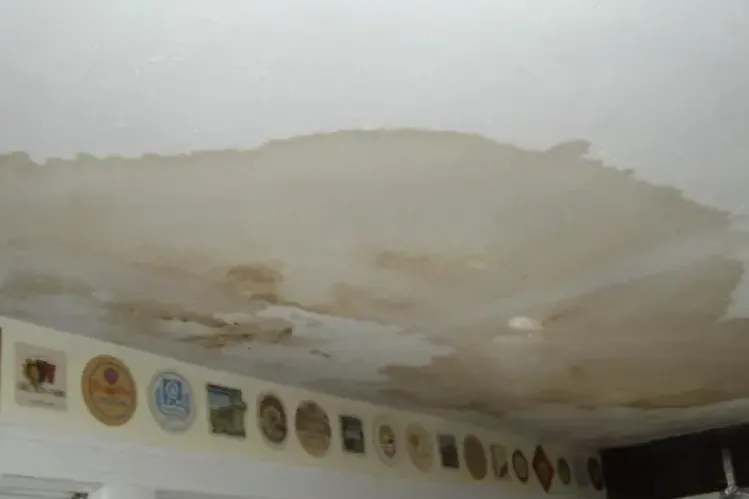
Heavy rain such as the 8 to 11 inches of July 2021 can find weak spots in a roof and show up as stains or sagging on a ceiling. The drying team opens the wet section, dries the cavity and checks the walls below.
(888) 417-5665Call about a ceiling leak- Wet drywall opened
- Joist bay dried
- Rooms below checked
Right now
First steps for ceiling leak water damage
- Avoid the bulge. Keep people out from under a sagging section, since wet drywall can drop without warning.
- Catch the water. Set a bucket under any drip and move furniture and electronics aside.
- Find the source. Check for a recent storm, an overflowing AC pan or a bathroom directly above.
- Take photos. Photograph the stain from several angles before anything is cut open.
The trade facts behind the work
- Access holes come first, so firm drywall is dried in place when it can be.
- Wet insulation is pulled back from the joist bay before equipment is set.
- The walls and floor below are metered, not assumed dry.
Ceiling stained or sagging? Call the drying team. (888) 417-5665
How the work runs
How ceiling leak water damage is handled, step by step
- 1
Find the source
Meters and a thermal camera show how far the water spread.
- 2
Open access
Small holes, then larger sections where drywall is soft.
- 3
Dry the bay
Air movers and a dehumidifier run until readings reach target.
- 4
Check below
Walls and floors under the stain are metered again before closing.
Typical cost
What does ceiling leak water damage cost in Mandeville, LA?
Ceiling jobs depend on how much drywall is wet and whether the water reached the room below. A firm stain stays low, a removed section sits in the middle, and a ceiling with wet walls and flooring reaches the top.
Small stain, firm drywall
$700 to $1,600
- Access holes, cavity drying
- Air mover and dehumidifier
- Readings until dry
Section removed
$1,600 to $3,200
- Sagging drywall removed
- Joist bay dried
- Walls below checked
Ceiling and walls wet
$3,200 to $6,500+
- Several sections opened
- Flooring below dried
- Containment for dirty water
These are typical ranges, not a quote. The category of water, the square footage, the material class and how fast drying started move the number most. Try the water damage cost calculator for a planning figure.
A stain on the ceiling means water is sitting somewhere above it, and drywall that has gone soft will not recover. The question is how much of the ceiling must come down and whether anything below has been wetted too.
What a stain can mean
A ceiling leak can come from the roof, from a supply pipe, from an AC drain pan or from a bathroom above. Rain-driven leaks tend to show up after storms, while pipe and drain leaks keep going in any weather. Finding which one it is decides how the work proceeds.
Firm, soft or sagging
- Firm drywall with a faint stain can often be dried through small access holes
- Soft or bubbling drywall is cut out in sections
- Sagging ceilings are opened right away because they can drop without warning
Drying the cavity
Insulation above wet drywall holds water against it, so it is pulled back and the joist bay is dried with air movers and a dehumidifier. Walls and flooring below get meter checks, because water that ran down inside a wall can leave the ceiling looking dry again.
Leaks that began in the attic fall under roof leak water damage, and those from the air handler under AC leak water damage.
Ceilings that look dry but are not
A ceiling can stop dripping and still hold water in the insulation above it. That is why a meter reading counts for more than a dry surface, and why the crew checks wall tops and light fixtures too, since water follows wiring and fixture boxes.
Wet fixtures and ceiling fans are a shock risk, so power to that circuit is switched off before anyone opens the ceiling.
After the drying, once readings reach target, new drywall, texture and paint can go up. Closing a ceiling before the cavity is dry is the usual reason stains return, which is why the paperwork lists the final readings.
Service area
Ceiling Leak Water Damage across Mandeville and nearby
Ceiling leak calls come from kitchens, bathrooms and bedrooms across Mandeville, from lakefront homes to neighborhoods such as Old Golden Shores, Greenleaves, Golden Glen and Lakewood Heights, and from offices and shops along Causeway Boulevard.
The same service nearby: ceiling leak water damage in Slidell, Covington, Picayune.
See every town coveredRelated
Related water damage services
Questions
Ceiling Leak Water Damage questions, answered
Can I paint over a ceiling stain?
Not until the source is found and the ceiling is dry. Paint hides the ring but leaves wet drywall and insulation above it.
Why is my ceiling sagging?
Drywall that has soaked up water loses strength, and the weight of the water pulls it down. A sagging section should be opened by a professional, since it can fall without warning.
Is a dry-looking ceiling safe to close up?
Only after meter readings confirm it. Insulation and framing above can stay wet while the surface looks normal, so closing too early traps moisture.
How do I tell a roof leak from a pipe leak?
Roof leaks tend to appear after rain, while pipe and drain leaks continue in dry weather. A meter and thermal camera trace the source.
Does a ceiling leak always mean mold?
No, but wet drywall and insulation can start growing it in 24 to 48 hours, which is why they are dried promptly.
Will the ceiling have to be replaced?
Firm drywall with a light stain often dries in place. Soft, bubbled or sagging sections are cut out and replaced after drying.
24/7 water damage dispatch
Get the ceiling opened and dried
A stain means water is trapped above it. The restoration team opens the wet section, dries the cavity and checks the rooms below.