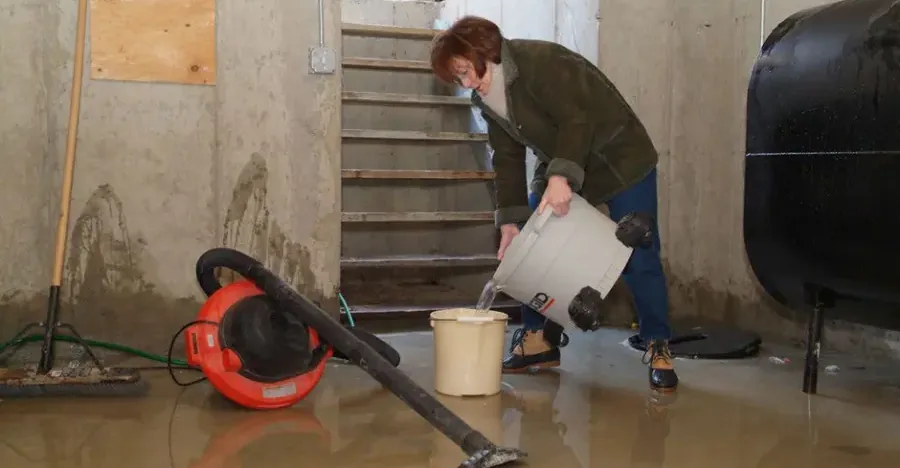
June 2026 brought three rounds of rain to Picayune, Mississippi. Some homes took on water, City Hall had minor flooding, and multiple streets held about a foot of water. For a household still sorting out the damage, the order of the cleanup matters.
Key takeaways
- The city said rain pooled on flat ground on June 6, 2026 faster than it could drain, even while creeks stayed low.
- On June 16, 2026 heavy rain flooded roads, put minor water inside City Hall and sent water into some homes.
- By June 18, 2026 multiple streets held about a foot of water after 6 to 10 inches of rain.
- Standing water comes out first, then drying with moisture readings, then repairs.
- FEMA disaster declaration DR-4930 covers Pearl River County and opened individual assistance to residents.
How the June 2026 rain unfolded
The rain came in three steps. On June 6, 2026, a weak tropical wave dropped 2 to 4 inches, with isolated spots over 6 inches, and the city said rain pooled on the surface faster than it could drain.
On Tuesday, June 16, heavy rain flooded roads across Pearl River County, put minor water inside City Hall and sent water into some homes. DebrisTech used an amphibious vehicle for rescues, sandbags were available at the Picayune Maintenance Center, and a shelter opened on Laurel Street.
On Thursday, June 18, during the remnants of Tropical Storm Arthur, the National Weather Service reported multiple streets with about a foot of water after 6 to 10 inches of rain.
Flat ground, creeks and the June 19 crest
Flooding here comes from two directions: rain that cannot drain and creeks that rise. The mix explains why some streets flood while the creeks stay low.
Flat ground and slow drains
The city describes its terrain as flat. FEMA describes the county as Gulf Coastal Plain with faint relief and soils of sands and clays.
On flat ground, a downpour has nowhere quick to go. Water pools on yards and streets, reaches thresholds and sits there while drains catch up.
FEMA's flood study also notes that paved retail areas and grading for new housing change natural drainage and raise the chance of flooding.
A house on flat ground often floods from the yard side first, so water can reach a threshold even when no creek is anywhere near its banks.
Creeks, ponds and the crest
Several creeks run through the area. Mill Creek runs through the city and joins the Pearl River, and the Hobolochitto creeks flood low parts of Pearl River County several times a year, with serious flooding every 4 or 5 years.
Early on June 19, 2026, the National Weather Service forecast West Hobolochitto Creek near McNeill to crest at 22.5 feet. In June, officials also monitored the Anchor Lake dam after high water flowed over it, and MDEQ said it was working as intended.
- At 15 feet on West Hobolochitto Creek, Beech Street and low places in the Westchester Subdivision flood.
- At 17 feet, homes in the Westchester Subdivision are threatened.
- At 20 feet, North Beech Road and Palestine Road become impassable and several homes near the stream flood.
- Rain that pools on flat ground can flood a house even when the creeks stay low.
Day one for a house that took on water
A household can protect both safety and the house by moving in a clear order. The extraction crew handles the water, and local water damage experts at the hub for the area can explain the next steps.
Water from flooded streets and yards carries sewage, silt and runoff, so the cleanup treats it as contaminated. A water category check shows how the categories differ.
- Stay out of standing water near outlets, and have power shut off to wet areas by a professional.
- Photograph the high water mark, damaged belongings and the condition of each room.
- Lift small furniture, rugs and electronics to dry ground.
- Keep children and pets out of floodwater.
- Do not run the air conditioning while ducts may be wet.
Standing water comes out first
The first job is removing the water that is still in the house. Pumps clear the bulk of it, and extraction tools lift water out of carpet, pad and floors.
This stage is described under water extraction, and it has to come before any drying equipment starts, because drying a house that still has standing water gets nowhere.
- Pumps remove standing water from rooms.
- Extraction tools pull water out of carpet and flooring.
- Mud and silt are cleared from floors.
- Wet items that cannot be saved are bagged and set out.
Drying is a separate job
The city said rain pooled on flat ground on June 6, and wet houses behave the same way. Water that has soaked into drywall, framing and flooring stays after the standing water is gone.
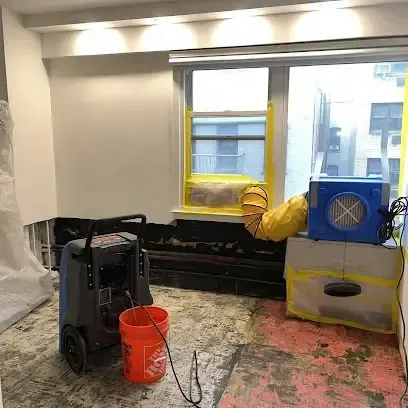
The structural drying service handles that second stage. The drying team takes moisture readings and sets dehumidifiers and fans.
It repeats the readings over several visits and removes materials that will not dry, such as soaked insulation and drywall that wicked the water upward.
- Moisture meters and a thermal camera show wet areas that look dry.
- Dehumidifiers pull moisture out of the air and the materials.
- Fans move air across floors and walls.
- Readings are repeated until the materials match a dry reference.
Records, repairs and FEMA's declaration
A federal major disaster declaration for Tropical Storm Arthur, numbered DR-4930, covers Pearl River County and was approved as of August 4, 2026. It opened FEMA individual assistance to residents.
A household that applies for assistance may be asked about the damage, so photos taken on day one and a written list of what was removed help. Keeping receipts for cleanup and drying work also helps.
A clear record protects the household when repairs, assistance forms or a later sale come up. The drying team can provide it as the work finishes.
- The rooms and materials that were wet, with moisture readings from the first and last visits.
- A list of the materials that were removed and why.
- Dates for extraction, equipment setup and equipment removal.
- Photos of each room before and after the work.
Questions
Why did rain pool faster than it drained?
The city describes its terrain as flat, and on June 6, 2026 it said heavy rain pooled on the surface faster than it could drain, even while creeks and drainage channels were low.
Should drying start before the water is pumped out?
No. Standing water comes out first. Drying equipment works on moisture in the materials, and it cannot do its job while the room is still holding water.
Is floodwater in a house contaminated?
Yes, it usually is. Water from flooded streets and yards carries sewage, silt and runoff, so porous materials that soaked in it are removed.
What does DR-4930 mean for a homeowner?
It is the federal major disaster declaration for Tropical Storm Arthur that covers Pearl River County and opened FEMA individual assistance to residents. Photos and records of the damage help with an application.
When did the 2026 flooding happen?
In June 2026. The key dates are June 6, June 16 and June 18, plus the creek crest forecast for early June 19.