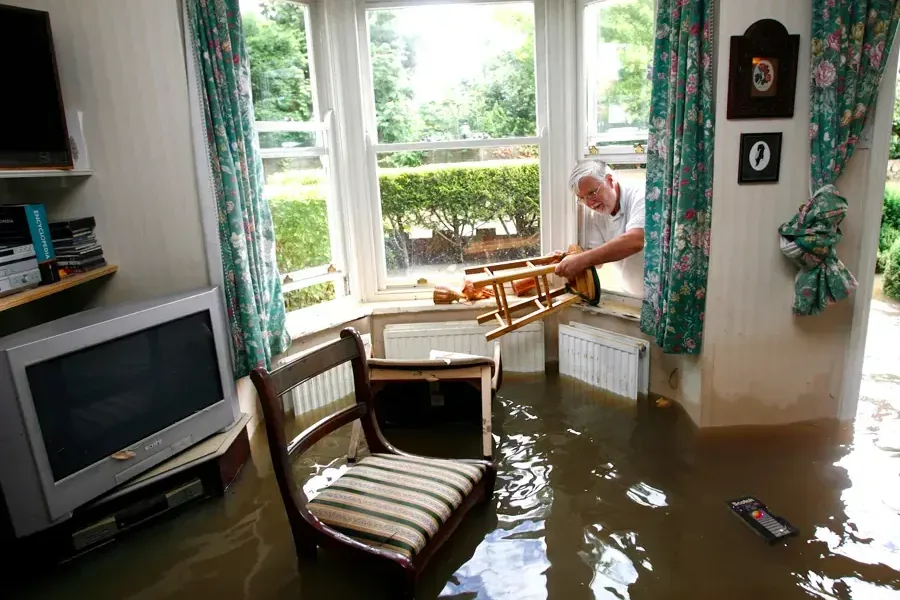
Covington, Louisiana sits at a fork of the Bogue Falaya River and the Tchefuncte River. When either river leaves its banks, or when heavy rain floods downtown streets, water can get into a house quickly. The first day matters more than any other.
Key takeaways
- The Bogue Falaya River at Covington set a record flood in March 2016, with about 50 rescues reported.
- In Tropical Storm Allison in June 2001 the river stayed above flood stage for several days and about 200 homes in the city flooded.
- River and street flood water is contaminated, so porous materials that soaked in it are removed and not dried in place.
- Do not speed through flooded streets, because the wake can push water into homes and garages.
- Extraction comes first, then drying with moisture readings, then rebuilding.
Two rivers and the record floods
The city sits at a fork of the Bogue Falaya and the Tchefuncte, so river flooding is part of life here. Early trade came by boat up the Bogue Falaya, and the same river set the record flood of March 2016.
Floods come in two forms. River flooding builds over a day or more, while street flooding from a downpour can show up and clear fast.
The Bogue Falaya River set a record flood in March 2016, and about 50 rescues were reported. In June 2001, Tropical Storm Allison kept the river above flood stage for several days and about 200 homes flooded.
The city links real-time gauges for both rivers on its flood page, and the readings help a household decide when to move belongings.
More recently, heavy rain on June 15, 2026 flooded downtown streets briefly, and the mayor asked drivers not to speed through flooded streets because the wake can push water into homes and garages.
- River flooding rises as water from upstream moves down and can stay high for days.
- Street flooding from heavy rain can fill a low spot fast and drain just as fast.
- Both can leave contaminated water inside a house even if the water level drops quickly.
The first day inside a flooded house
The first day is about safety, then about getting the water out. A household that moves in a clear order has less to throw away later.
Before touching anything
River water can carry sewage, fuel and silt. If water is near outlets or the electrical panel, stay out and have the power shut off by a professional.
- Keep children and pets out of standing water.
- Wear boots and gloves if contact is unavoidable.
- Photograph the high water mark on each wall before cleanup begins.
What can be moved
Lift small furniture, rugs, books and electronics out of the water and up onto dry surfaces. Do not try to carry heavy wet furniture across soaked carpet, which can tear the pad and spread silt.
What the extraction crew does first
The extraction crew starts by getting the standing water out of the house. Pumps handle the bulk of it, and extraction tools lift water from carpet and the floor surface.
The process is covered under water extraction, and the wider cleanup after a river flood appears under flood water cleanup.
- Pumps remove standing water from rooms and from low areas under the floor.
- Extraction tools pull water out of carpet and flooring.
- Mud and silt are shoveled or vacuumed before drying starts.
- Wet items that cannot be saved are bagged and set out.
Why river water is treated as contaminated
River water has run across yards, roads and drains before it reaches a house, so the cleanup treats it as contaminated water. That means porous materials that soaked in it are removed rather than dried.
A household can use the water category check to see how clean water, gray water and flood water differ.
- Carpet and pad that soaked in the water are removed.
- Insulation in wet wall cavities is pulled.
- Drywall and baseboards that wicked the water upward are cut above the high water mark.
- Hard surfaces are cleaned and sanitized after the water is out.
When sewage mixes with the flood
Heavy rain and high water can also overload drains, so a flooded house sometimes has sewage mixed in or coming up through a floor drain or tub.
City of Covington Public Works handles the sewer plant, the collection system and the lift stations, and it answers after hours for sewer or water emergencies. The cleanup side of a backup is described under sewage backup cleanup.
- Do not use sinks, tubs or toilets while water is backing up.
- Keep the affected room closed off from clean areas.
- Sewage in the water means every wet porous material is removed.
- Hard surfaces are cleaned and sanitized before drying finishes.
Drying after the water is out
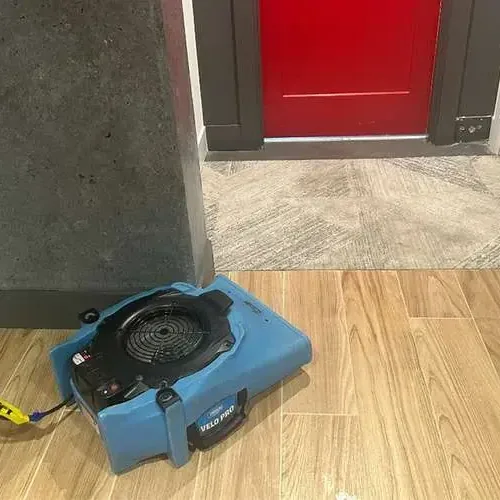
Once the standing water is gone, the drying team takes moisture readings in the floor, the framing and the walls. Dehumidifiers and fans then run, and the readings are repeated until the materials match a dry reference.
Removing moisture matters because damp materials left in a closed house invite mold. Dry time depends on how long the water stood and what the house is built from.
Rebuilding comes last, after the readings show the structure is dry.
Preparing for the next high water
A household can prepare ahead of time, and the gauges for both rivers are public. Small steps make the first day easier.
- Check the river gauges linked from the city flood page when heavy rain is forecast.
- Lift belongings off the floor in rooms that have taken water before.
- Know where the main power shutoff is.
- Keep photos of each room while it is dry.
Questions
How fast can river water get into a house?
River flooding builds over a day or more, while heavy rain can flood a street in a short time. Either one can bring water inside, so watching both the gauges and the forecast helps.
Is river flood water safe to touch?
No. It can carry sewage, fuel and bacteria. Gloves and boots help if contact cannot be avoided, and children and pets should stay out.
Should carpet be saved after river water?
Usually not. Carpet and pad that soaked in river water are removed because they hold contamination and stay wet for a long time.
Why does the mayor warn about speeding through flooded streets?
A moving vehicle pushes a wake. The wake can move water over a curb and into homes and garages that the flood alone might have missed.
What comes after the water is pumped out?
Moisture readings, then drying with dehumidifiers and fans, and finally repairs once the structure reads dry.
Does a shallow flood still need a full cleanup?
Yes. Even an inch or two of water wets baseboards, soaks carpet and wicks up into drywall. The water that cannot be seen in the walls is what the moisture readings are for.